The Expensive Habit I Keep Watching People Form
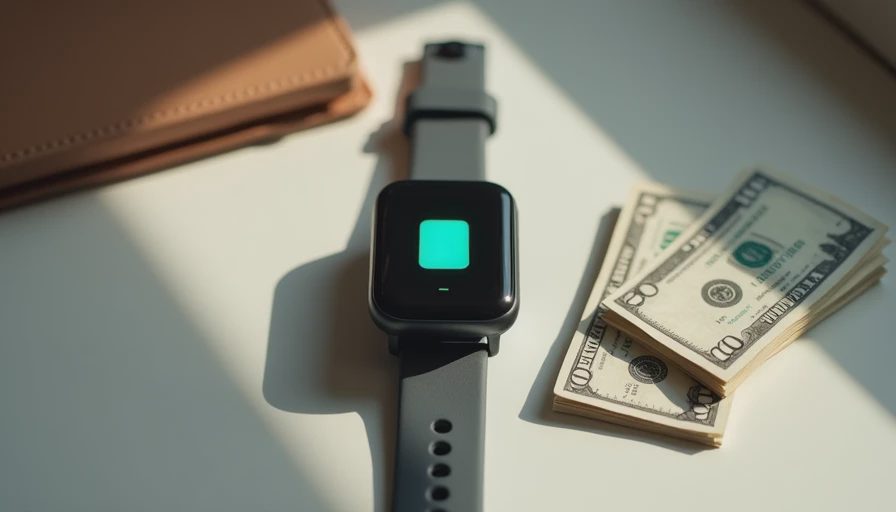
I see it at the running store, in online forums, and in the messages I get from new athletes: someone decides they need “better data,” so they jump straight to the latest flagship. Four hundred, five hundred, sometimes more. The marketing is excellent. The feature list is long. The actual improvement in daily training decisions is often tiny.
After eight years of wearing nearly everything that straps to a wrist, I keep coming back to the same conclusion. For the majority of runners, gym-goers, and people who just want to sleep better, a well-chosen tracker around the $150 mark already delivers about ninety percent of the useful information. The remaining ten percent is mostly convenience, polish, and the ability to feel like you own the newest thing.
That is not an anti-tech stance. It is a practical one. Money spent on a device that does not change what you do is money that could have gone toward better shoes, a coaching plan, or simply staying consistent.
What Actually Matters on the Wrist
Strip the feature lists down to the metrics that repeatedly prove useful in real training:
Consistent resting heart rate trends
Basic heart-rate data during steady runs and easy efforts
Sleep duration and a rough sense of overnight recovery
Step count or daily movement that is directionally accurate
Battery life long enough that you are not constantly planning around the charger
Everything else—advanced running dynamics, wrist-based ECG, ultra-precise GPS mapping, colorful training-load animations—is secondary for most people. Nice when it works. Rarely the reason someone improves.
I have coached runners who trained for marathons with nothing more than a simple optical heart-rate band and a basic watch. Their results were limited by consistency and pacing, not by the absence of a color screen or blood-oxygen estimates.
The $150 Tier That Keeps Proving Itself
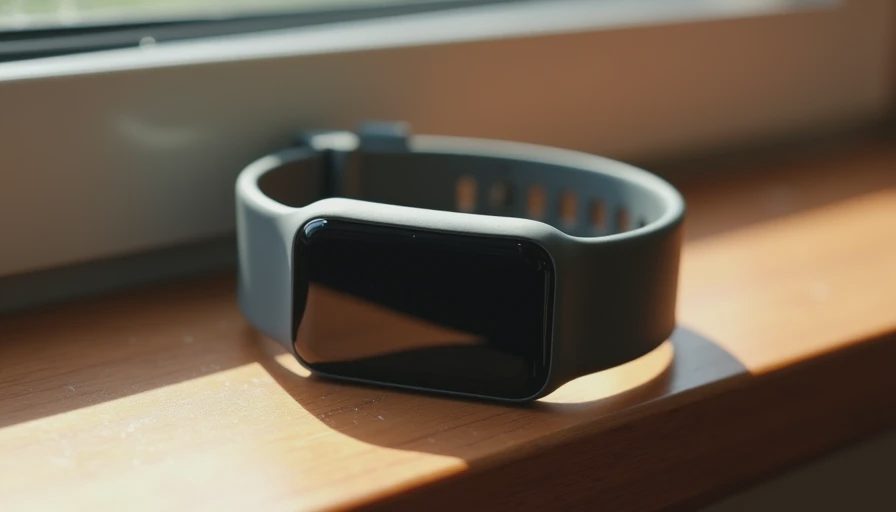
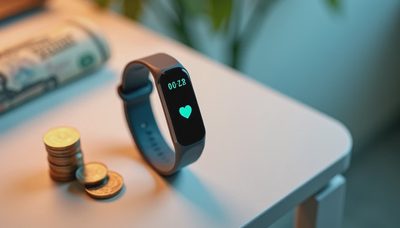
In the price range around one hundred to one hundred fifty dollars you can currently find trackers that handle the core jobs cleanly. They measure heart rate well enough for zone work and recovery trends. They last five to ten days on a charge. They survive swimming and sweat. They give you a sleep score that, while imperfect, is useful when viewed as a multi-night pattern.
I have worn several of these for multi-week tests. Battery life is usually the first pleasant surprise. Accuracy on resting heart rate and basic HRV trends is close enough to more expensive models that the difference does not change decisions. The screens are smaller and the software is less flashy, but the data that matters still arrives.
One device I kept coming back to in this range simply refused to die. After months of daily wear, pool sessions, and the occasional toddler grab, it still charged to full and kept solid overnight readings. That kind of reliability is worth more than another set of animated widgets.
Where the Flagship Actually Wins
I am not going to pretend the expensive models are pointless. They win in a few specific places.
Better GPS under heavy tree cover. More refined sleep-stage estimates. Cleaner optical sensors in difficult conditions. Longer continuous battery in some cases. Deeper ecosystem integration if you already live inside one brand’s phone and apps.
If you race frequently, travel across time zones, or genuinely use advanced metrics to adjust training weekly, those upgrades can matter. For the person who runs three to five times a week, lifts twice, and wants to know whether recovery is trending in the right direction, they rarely do.
The gap between “good enough” and “flagship” is real. It is also smaller than the price difference suggests.
The Buying Filter I Use With Athletes
When someone asks me what to buy, I ask three questions first:
What will you actually look at more than once a week?
How often are you willing to charge the thing?
Do you already own a phone or ecosystem that makes one brand dramatically more convenient?
If the answers are “resting heart rate, basic zones, and sleep trend,” “I forget to charge things,” and “no strong preference,” then the $150 tier is usually the rational choice. Buy the reliable one. Wear it for three months. Look at the trends. Decide later whether the missing ten percent is worth another several hundred dollars.
I still own and test flagship watches. I enjoy the better screens and the longer GPS sessions. I also keep a cheaper tracker in rotation precisely because it reminds me how little of the extra cost shows up in actual training decisions.
A Simple Reality Check
The best wearable is the one you wear consistently and interpret calmly. A $500 watch that spends half its time on the charger or produces daily anxiety is worse than a $150 device that stays on your wrist and gives you quiet, usable trends.
You do not need the flagship to train well, sleep better, or understand what your body is doing over time. You need consistent data, a bit of physiological common sense, and the willingness to trust the trend instead of the single reading.
That combination is available right now in the good-enough price range. Most people would be happier—and no less informed—if they started there.
No letters yet — pray write the first.