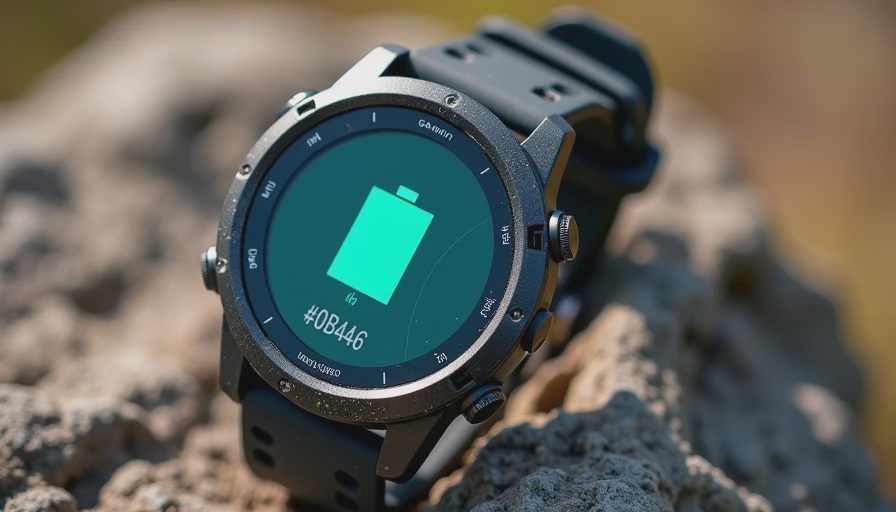
Three Months, One Wrist, Zero Mercy
I do not do gentle unboxing reviews. When a watch comes in for a long test it goes straight onto the wrist and stays there through normal life: early runs in the Willamette foothills, pool sessions, coaching on the track, homebrew evenings, and the daily reality of a ten-year-old and a seven-year-old who treat every glowing screen as a personal challenge.
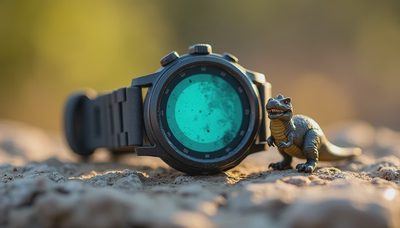
This particular Garmin Forerunner spent ninety consecutive days in that environment. I charged it only when the battery demanded it. I swam with it, sweated through summer trail runs, slept with it, and once watched my younger kid try to pry the band off with a plastic dinosaur. The goal was simple: find out what still worked at the end and what quietly gave up.
Battery Life: The Quiet Winner
The first pleasant surprise was how rarely I had to think about charging. In smartwatch mode with daily heart-rate tracking and sleep monitoring left on, I consistently got eight to nine days. Turn on GPS for a long run and the hit was noticeable but still reasonable—plenty for a weekend of racing and travel without hunting for a cable mid-trip.
By day ninety the battery health had not fallen off a cliff. It still reached the same multi-day stretch it offered in week one. That kind of consistency matters more than peak laboratory numbers. A watch that forces you to plan your life around the charger stops being a tool and starts being another chore.
Optical Heart Rate and Everyday Accuracy
Resting heart rate trends stayed solid. Morning readings matched what I expected from training load and sleep quality. During steady Zone 2 runs the optical sensor tracked closely enough that I never felt the need to switch to a chest strap for routine work. Hard intervals were a different story—occasional spikes and dropouts showed up the same way they do on most wrist-based sensors when cadence and arm movement get aggressive.
HRV overnight numbers were usable when viewed as a multi-day average. Single-night outliers happened, usually after late meals or warmer sleep conditions, but the seven-day trend line remained trustworthy. That is the level of performance I care about: good enough to inform decisions, not perfect enough to obsess over.
Durability Under Real Abuse
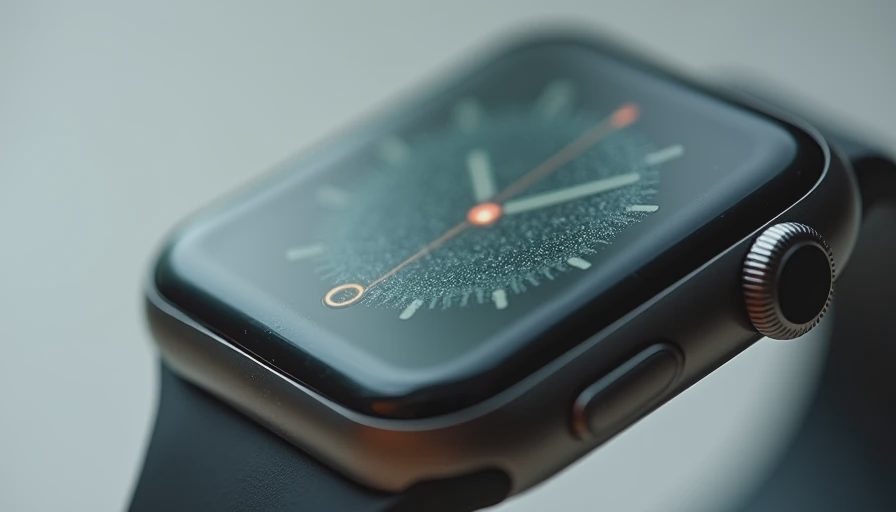
The screen picked up fine scuffs from door frames and trail branches but never cracked. The button action stayed crisp. The band, a standard silicone, stretched slightly and collected the usual white sweat residue, yet it never tore or lost its shape enough to feel insecure.
One failure did appear. Around day seventy the optical sensor window developed a faint haze that cleaning could not fully remove—likely a combination of sunscreen, pool chlorine, and general grit. It did not kill the heart-rate readings, but it was the first visible sign of wear that pure lab tests never reveal. The watch still functioned; it just looked like it had lived a real life.
Water resistance held. Multiple pool sessions and one accidental dishwasher incident (do not ask) produced no fogging or failure. That is the kind of quiet competence that makes a device disappear into daily use instead of becoming a source of worry.
Software and the Daily Experience
Garmin’s ecosystem is familiar territory for most runners. The data screens are dense but logical once you settle on the ones you actually glance at. Training status and recovery metrics were directionally useful; I treated them as supporting evidence rather than orders. Syncing stayed reliable. The occasional firmware update did not brick anything or rewrite the metrics in confusing ways.
The biggest daily friction was the always-present temptation to check too many numbers. That is not the watch’s fault. It is the nature of a capable device. I kept the Casio on the other wrist as the usual control, and that pairing continued to help me ignore the single-day noise.
What I’d Buy Again—and What I’d Skip
After ninety days I would buy this Forerunner again for any runner who wants solid training data without flagship pricing or weekly charging anxiety. It survived the exact conditions most people actually live in. Battery life remained excellent. Core metrics stayed consistent enough to trust for trends. Build quality took real abuse and kept working.
I would not recommend it to someone who demands perfect optical accuracy during every track interval or who wants the absolute brightest always-on display. Those buyers already know they are shopping in a different tier. For everyone else, this level of performance covers the decisions that actually matter: whether recovery is trending down, whether resting heart rate is drifting up, and whether you can head out the door without wondering if the battery will last the route.
The Longer Lesson
Long tests strip away the launch-day shine. What remains is the practical truth: durability, battery consistency, and data you can interpret without a statistics degree. This Garmin delivered those things for three full months. A few cosmetic marks and one slightly hazed sensor window were the only real concessions to time and use.
That is the standard I apply to every device now. Survive ninety days of real life, keep the important numbers honest, and stay out of the way. Everything else is extra.
Trust the trend, not the reading—and trust the watch that can still deliver both after three months on a working wrist.
No letters yet — pray write the first.