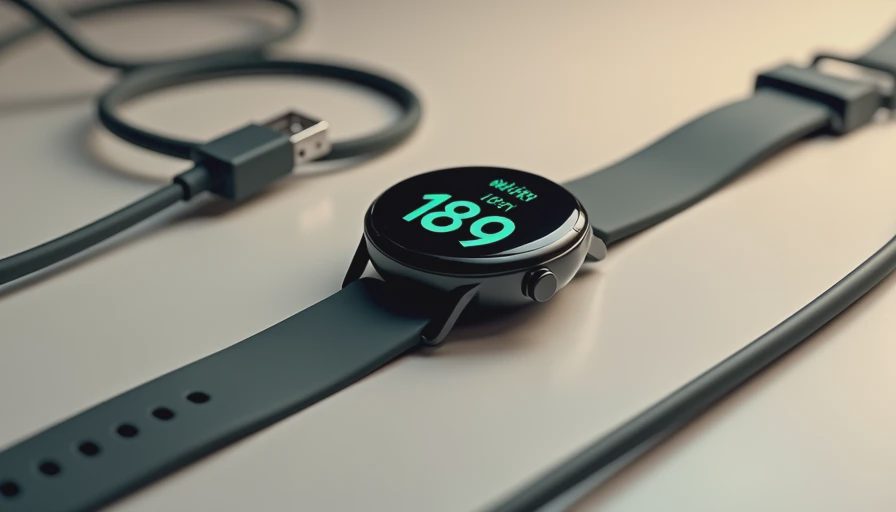
The Hidden Cost of Daily Charging
A watch that needs the cable every night creates a small but constant friction. You forget once and lose overnight data. You travel and spend half an evening hunting for a charger. You start choosing when to wear the device based on battery anxiety instead of when the data would be useful. Over months that friction adds up to missing trends and quiet resentment toward a tool that was supposed to help.
I have tested enough devices to know that battery life is not a minor specification. It is a core feature that determines whether the wearable stays on the wrist long enough to become useful. The models that survive my long tests without demanding daily attention earn a different level of trust.
What “Good Enough” Battery Actually Looks Like
For everyday training and recovery tracking I want at least five full days with continuous heart-rate and sleep monitoring left on. Seven to ten days is better. Anything that forces a nightly charge moves into the “high-maintenance” category unless it offers some other overwhelming advantage.
During multi-week wear tests I leave all the usual sensors active. I start GPS sessions as I normally would. I do not enable power-saving modes that cripple the data I actually care about. The number that matters is real-world days between charges under normal use, not the optimistic laboratory figure on the box.
Devices That Passed the Multi-Week Test
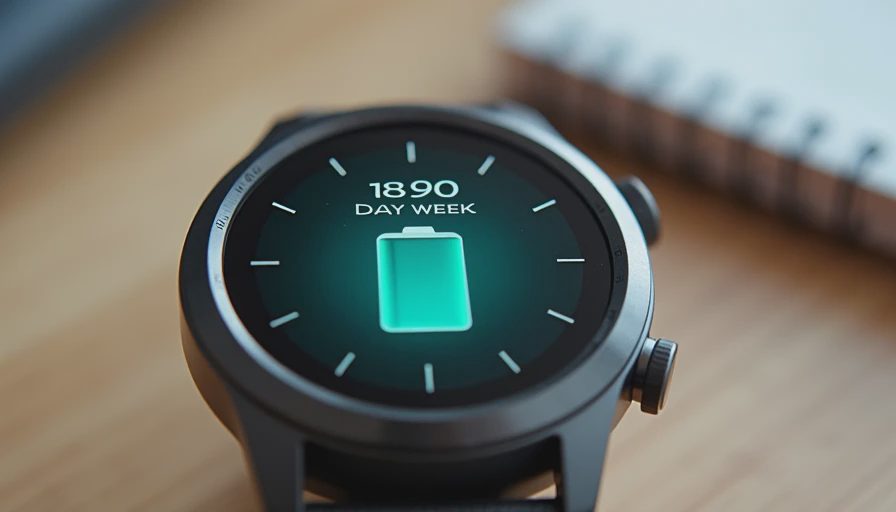
Several watches and trackers have cleared the bar comfortably. A mid-range Garmin Forerunner-style model consistently delivered eight to nine days. A Coros model in a similar price range often stretched past ten days with the same settings. Certain fitness bands focused on recovery managed a full week without drama.
What these devices shared was simple: efficient processors, reasonable screen technology, and software that did not constantly wake the system for low-value animations. They collected the data I needed and then stayed out of the way.
One unit I wore for ninety days still held nearly the same multi-day endurance at the end of the test as it did on day one. Battery health degradation was minimal. That kind of consistency is rare and valuable.
The Daily-Charge Trade-Off
Apple Watch and a few other high-feature devices remain excellent at many things. The nightly charge is the clear cost. For runners who do long weekend efforts or simply prefer not to think about the cable, that cost is often too high. I have watched athletes lose overnight HRV data for an entire training block because they forgot to charge after a late evening. The data gap was more damaging than the missing features of a longer-battery alternative would have been.
If you already charge a phone every night and want seamless ecosystem integration, the trade-off can be acceptable. For pure training and recovery focus, it rarely is.
How Battery Life Changes Behavior
When the device lasts a week, you stop treating it like a phone and start treating it like a tool. You put it on and forget it. Overnight tracking becomes automatic. Travel becomes simpler. The mental energy that once went into battery management moves back to training and recovery decisions.
I notice the difference most clearly when I switch between a long-battery watch and a daily-charge model. Within days my checking frequency drops with the longer-lasting device. The data is still there; the anxiety is not.
Practical Buying Filter
Before looking at screen resolution or the number of advanced metrics, look at real-world battery reports from people who leave continuous tracking on. If the consensus is under four days, put the device lower on the list unless you have a specific reason to accept the friction.
Pair that filter with the dual-watch habit I still use: one capable device for data, one simple analog for perspective. The combination works even better when the capable device does not demand constant attention.
The Longer View
Battery technology continues to improve, but the principle stays the same. A wearable only earns its place if it can collect consistent data without becoming another daily chore. The models that last between charges give you the uninterrupted trends that actually matter—resting heart rate over weeks, sleep duration patterns, training load accumulation.
Those trends disappear the moment the battery dies and the overnight session is lost. That is why I treat battery life as a primary feature rather than a secondary specification. The best data in the world is useless if the device is in power-saving mode or sitting on a charger when you need it most.
Trust the trend, not the reading. And choose the watch that can keep collecting the trend while you get on with everything else.
No letters yet — pray write the first.