This apple watch ultra 3 review is for the runner who wants useful feedback rather than another expensive stream of numbers. I wore it through weekday runs, strength sessions, desk work, sleep, and a wet weekend hike, then compared its trends with the way I actually felt. The short version is simple: this is a highly capable training and safety tool, but its size, price, and familiar Apple Watch limitations matter more than the marketing.
What I tested and what matters
I approached the apple watch ultra 3 review the same way I approach any wearable. The first few days are for setup and novelty; the useful period comes later, when the watch becomes ordinary. I tracked easy runs, intervals, walking, overnight sleep, heart-rate patterns, and battery behavior. I also wore it while coaching, because a watch that works only when you are staring at it is not much help during a busy day.
The Ultra design remains unmistakable: a large, bright display, a titanium case, a programmable Action button, physical controls that are easier to use with sweaty fingers, and a rugged feel that makes a regular smartwatch seem delicate. That heft is reassuring on a trail. It is less welcome when your wrist is bent against a laptop or pillow. Smaller wrists should try the case on before ordering, especially with a thick trail band.
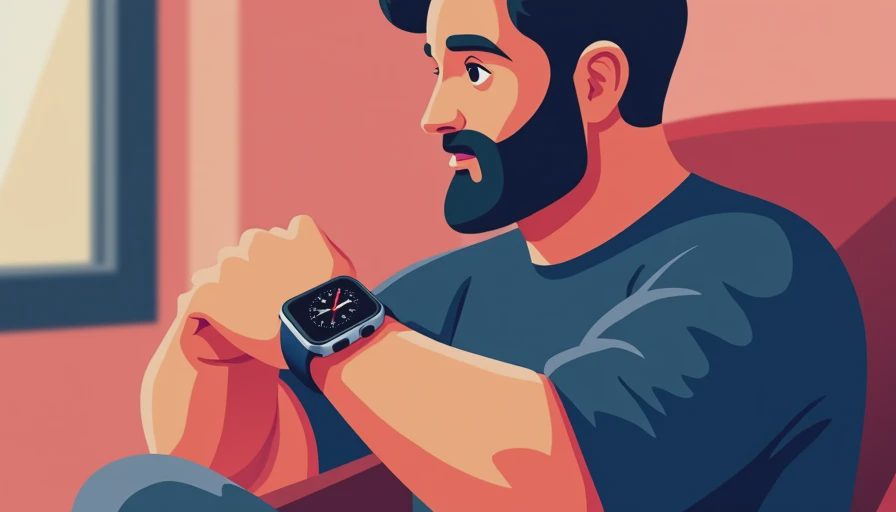
For runners, the important question is not whether the screen is bright enough. It is whether the watch lets you see pace, elapsed time, heart rate, distance, and intervals without interrupting your stride. Apple does that well. Data screens are clear, workouts are easy to start, and the haptic alerts are strong enough to notice under a jacket.
Training accuracy and everyday feedback
In this apple watch ultra 3 review, GPS performance was strongest on open roads and ordinary neighborhood routes. Dense tree cover and tall buildings can challenge any wrist device, so I would not treat one odd pace spike as a fitness crisis. Trust the trend, not the reading. For training, repeated patterns are more valuable than a single dramatic maximum heart-rate number.
The optical heart-rate sensor was generally useful for steady running and walking. Like other wrist sensors, it was less convincing during rapid intervals, cold starts, and exercises involving gripping. A snug fit helps, but athletes doing serious interval or racing work should still consider a compatible chest strap. The watch is a convenient monitor, not a laboratory instrument.
Health features deserve the same calm interpretation. Sleep duration, resting heart rate, heart-rate variability, temperature-related information, and activity trends can help you notice changes in routine. They cannot explain every tired morning, diagnose illness, or replace medical advice. A late meal, alcohol, travel, stress, or a warm bedroom can alter a reading. Look for several nights moving in the same direction before changing your plan.
Apple's workout ecosystem is particularly friendly for people already using an iPhone. Native workouts, Fitness features, notifications, music, maps, and emergency functions fit together with little friction. The tradeoff is equally clear: if you want deep recovery scoring, extensive training-load analysis, or long battery life with minimal charging, Garmin and COROS often remain more focused choices.
Battery life and charging reality
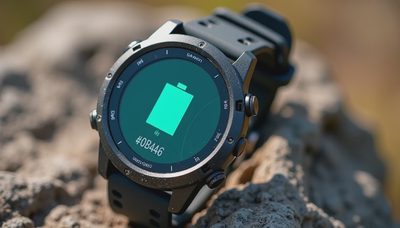
Battery is where this apple watch ultra 3 review becomes practical. The Ultra format lasts substantially longer than a standard Apple Watch, but it is still a smartwatch rather than a multi-week sports watch. A runner using GPS frequently, listening to music, receiving notifications, and tracking sleep will need a charging routine. I found overnight charging easiest after a morning workout or while showering and getting ready for work.
That routine works until travel, a long hike, or back-to-back training days disrupts it. A low battery can also make sleep tracking disappear at exactly the moment you want continuity. If you regularly spend several days away from an outlet, compare the real-world endurance with the Garmin Forerunner 965, Fenix line, or COROS Apex before paying for the Apple ecosystem.
Cellular can be valuable for short runs when you do not want a phone, and emergency features add reassurance in remote settings. Neither turns the watch into a rescue service. Coverage, battery level, local conditions, and the type of emergency all matter. Treat those functions as useful backup, not permission to take unnecessary risks.

Comfort, durability, and the daily tradeoff
The best part of the apple watch ultra 3 review may be how quickly the device disappears during a run. The display is readable, controls are dependable, and the case feels ready for rain, sweat, and accidental contact with a doorframe. The downside appears at night. Some people sleep comfortably in a large watch; others notice the weight or catch the crown on a pillow.
Band choice changes the experience. A lightweight trail or sport band is sensible for running and hiking, while a thinner option feels better at a desk. The titanium case looks premium, but cosmetic wear is still possible. I would not buy the Ultra solely because it appears tougher than a cheaper model. Buy it because you will use its controls, battery advantage, cellular option, outdoor tools, or larger display.
Apple Watch Ultra 3 versus cheaper options
This apple watch ultra 3 review does not end with “buy the biggest one.” A current standard Apple Watch is usually the better value for someone focused on notifications, walking, occasional workouts, sleep, and general health trends. It is lighter and often costs considerably less. The Ultra earns its premium when longer battery life, physical buttons, a larger display, rugged construction, outdoor navigation, or cellular independence directly support your routine.
The Ultra 2 is also a serious comparison if discounted. A lower price can matter more than a small processor or sensor update, particularly if both watches cover your main workouts. Garmin is a stronger fit for a runner who prioritizes training load, recovery guidance, structured workouts, and endurance. Apple is stronger for someone who wants a smartwatch first and a training companion second.
Before buying, write down the features you will use every week. If the list includes only step counts, messages, alarms, and casual walks, spend less. If it includes long GPS sessions, route guidance, sleep tracking, phone-free runs, and frequent outdoor use, the Ultra case becomes easier to justify. That simple exercise prevents a premium purchase from becoming an expensive desk accessory.
Final verdict from the wrist
My apple watch ultra 3 review verdict is favorable, with a large qualification: it is best for an iPhone owner who wants one polished device for communication, safety, health trends, and serious-enough training. It is not automatically the best running watch, the most comfortable sleep tracker, or the best value.
I would choose it over a standard Apple Watch for frequent outdoor training, cellular freedom, a brighter and larger display, and the confidence that comes from physical controls. I would choose a Garmin or COROS for endurance-first battery life and deeper training analysis. I would choose the cheaper Apple model for ordinary daily wellness.
The watch can help you notice a pattern and make a better decision about rest, pacing, or consistency. That is enough. Do not let one unusual recovery score dictate your day, and do not confuse more sensors with more wisdom. Trust the trend, not the reading. If that philosophy fits how you train, the Ultra is a powerful companion; if not, save the money and wear the smaller watch.
No letters yet — pray write the first.