Thirty Nights, Three Devices, One Bed
Sleep tracking is one of the most marketed features on modern wearables and one of the easiest to over-trust. Every device promises to tell you how deeply you slept, how much restorative time you got, and whether you should feel recovered. The numbers look precise. The underlying measurement is still an estimate.
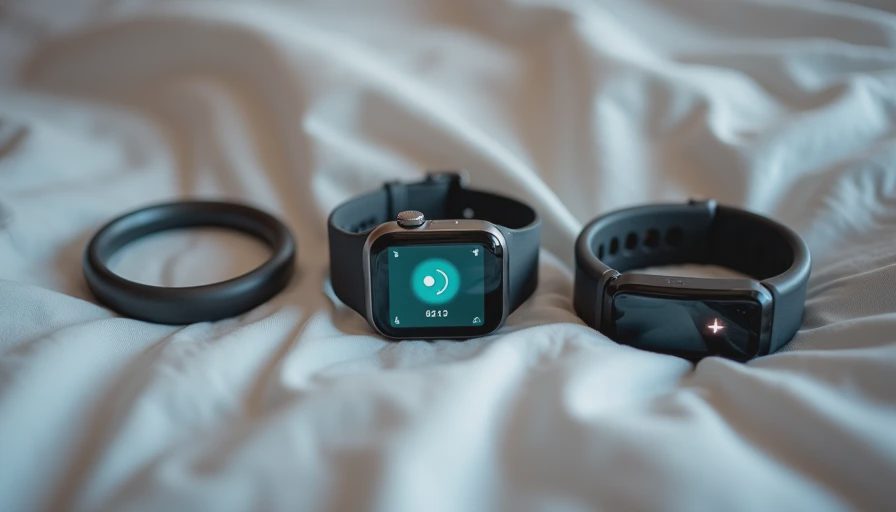
To test how much those estimates actually differ, I wore three trackers simultaneously for a full month. One was a dedicated smart ring. One was a mid-range GPS running watch. One was a simpler fitness band focused on recovery. All three stayed on every night. I followed the same wind-down routine, kept caffeine and alcohol consistent, and logged a short morning note about how rested I actually felt before looking at any scores.
The goal was not to declare a winner. It was to see where the devices agreed, where they diverged, and which information survived contact with real life.
What All Three Got Roughly Right
Total sleep time was the most consistent metric. On nights when I was in bed for seven and a half hours and felt reasonably rested, all three devices landed within about twenty minutes of each other. When I had a clearly short night, every tracker flagged it. Directionally, they were reliable for the basic question: did I get enough hours?
Overnight resting heart rate trends also lined up more often than not. A gradual rise across several nights appeared on all three platforms. A stable or declining pattern showed up across the board. That shared signal was useful.
Where the devices stayed mostly honest was in detecting obvious disruption—late nights, unusually restless periods, or the occasional early waking. They all noticed the big swings.
Where the Morning Reports Diverged
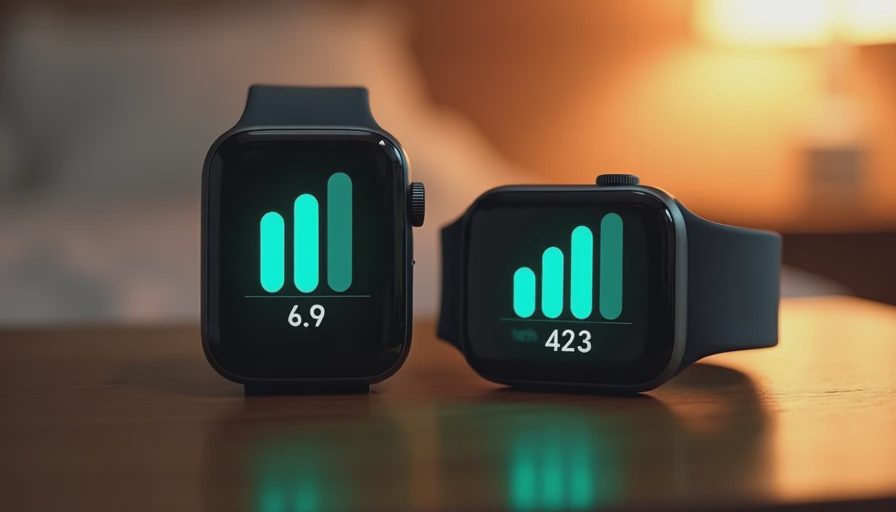
Sleep-stage breakdowns were the biggest source of disagreement. One device regularly reported more deep sleep than the other two. Another was more generous with REM. The third often showed longer periods of light sleep. On multiple mornings the three reports looked like they belonged to different people even though the same body had been in the same bed.
Recovery or readiness scores diverged even more. On several nights when I felt fine and resting heart rate was stable, one tracker still issued a cautious score while another gave a green light. The algorithms were weighting the same underlying signals differently.
I also noticed that the ring produced cleaner-looking overnight HRV numbers more often, while the watch occasionally showed dropouts when my arm position changed. The fitness band sat in between. None of them were wrong in a dramatic sense; they were simply making different guesses from imperfect signals.
The Subjective Reality Check
The most important column in my notes was the simple morning rating I wrote before opening any app: how rested I felt on a one-to-five scale. Over thirty days that subjective score correlated more tightly with the multi-night trend of resting heart rate and total sleep time than with any single device’s detailed stage chart or readiness number.
When all three trackers agreed that sleep duration was solid and resting heart rate was stable, I almost always felt fine. When they disagreed on stages but the basic duration and heart-rate trend were good, I still felt fine. The detailed stage breakdowns added little actionable information for day-to-day decisions.
Practical Takeaways From the Month
One clean total-sleep number and a reliable resting-heart-rate trend are worth more than three competing stage charts.
A single low readiness score is usually noise. A four- or five-day downward drift is worth noticing.
The device you will actually wear every night is more valuable than the one with the prettiest sleep graph.
If two devices conflict, believe the simpler metrics first and check how you feel second.
I still use sleep data. I simply refuse to let any morning report dictate the day before I have looked at the longer pattern and checked in with my own body.
What Survived the Test
All three devices survived thirty nights of wear without hardware failure. The ring was the most comfortable for pure sleep. The watch remained the most useful once I got out of bed and started the day. The fitness band was the quiet middle ground.
The real winner was the process: wear the tracker consistently, ignore the theatrical daily grades, and pay attention to the trends that actually line up with how recovered you feel over time.
Sleep stages make for colorful charts. Total sleep time and resting heart rate make for better decisions. After a month of simultaneous data, that hierarchy felt clearer than ever.
Trust the trend, not the reading—especially when the reading arrives before breakfast.
No letters yet — pray write the first.