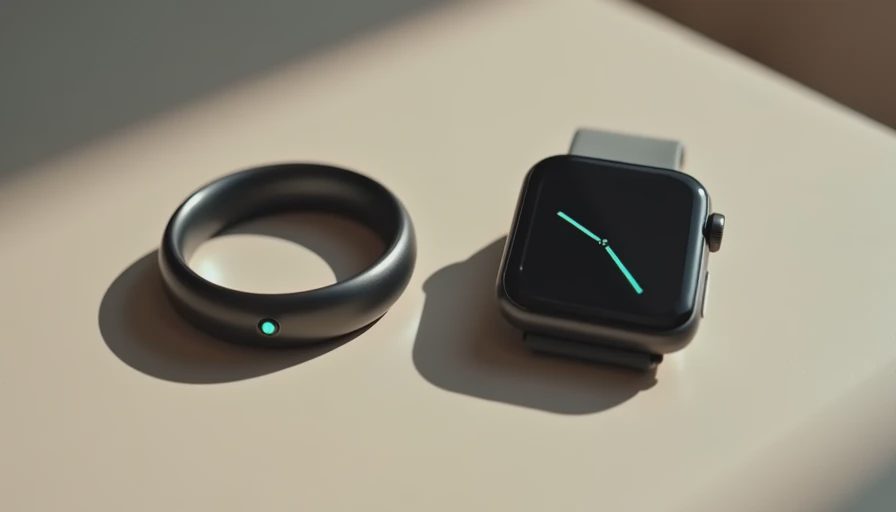
The Quiet Appeal of the Ring
Smart rings market themselves as the elegant solution. No big screen. No charging every other day. Just a small band that claims to capture sleep, recovery, and movement while looking like ordinary jewelry. For people who dislike the feel or look of a watch, the promise is strong: all the insight, none of the bulk.
I have worn several rings for multi-week stretches alongside a conventional watch. The experience is genuinely different. The ring disappears in a way a watch never quite does. You forget it is there during the day. Overnight data collection feels less intrusive. For pure sleep and recovery trending, a good ring can be excellent.
But “excellent at a few things” is not the same as “replaces a watch.”
What the Ring Does Well
Sleep tracking is usually the strongest suit. Because the ring sits on a finger with good blood-flow signal and stays consistently positioned, overnight heart-rate and HRV data are often cleaner than wrist-based readings that shift with arm position. Many users also find the recovery scores more stable night to night.
Battery life is another clear win. Most rings last four to seven days. You charge them during a shower or while sitting at a desk instead of planning around a nightly cable. The low profile means no conflicts with long sleeves, weightlifting straps, or formal clothes.
If your primary goal is understanding sleep quality and overnight recovery trends—and you already know your running pace from feel or a simple sports watch—the ring can cover a surprising amount of useful ground.
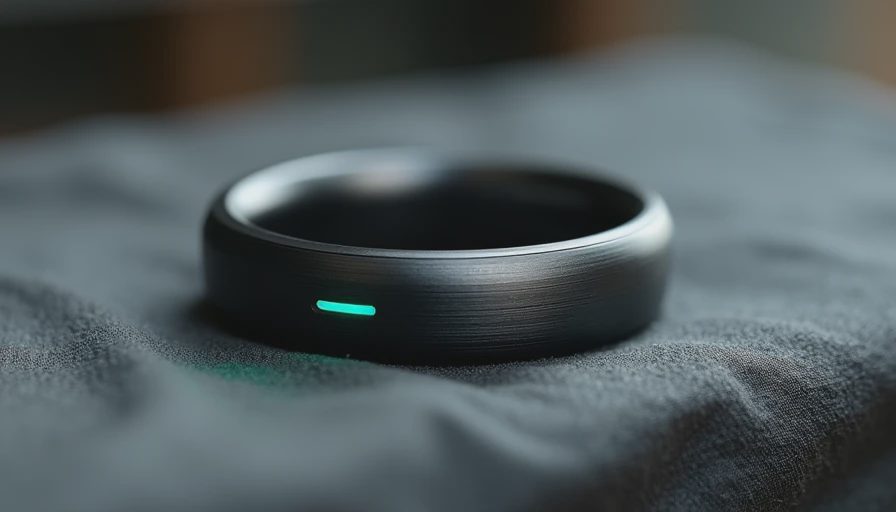
Where the Ring Falls Short
The limitations show up the moment you leave pure recovery monitoring.
No useful GPS. No real-time pace or distance during a run. No heart-rate display you can glance at while moving. No easy way to start a structured workout or see remaining battery mid-effort. Some rings attempt step counting and daytime heart-rate sampling, but the data is usually thinner and less actionable than a dedicated watch.
I also found finger sizing and swelling to be practical issues. Hot weather, long runs, and high-sodium meals can make a once-comfortable ring feel tight. A watch band adjusts in seconds. A ring does not.
For runners and anyone who trains outdoors with purpose, those gaps matter. The ring becomes a secondary device rather than a primary one.
What the Smartwatch Still Owns
A competent smartwatch remains the more complete tool for most active people. You get GPS that actually works, continuous heart-rate data you can see mid-run, longer activity tracking, and the ability to load simple workouts. Battery life on the better mid-range models has improved enough that the old daily-charge complaint is less relevant.
The trade-offs are known: more bulk, more visible tech, and the temptation to check scores too often. Those are real. They are also manageable with the dual-watch habit I still use—one capable device for data, one simple analog for perspective.
The Decision Filter I Give Athletes
Ask three questions:
Do you need distance, pace, or route data during activity?
Do you want to glance at heart rate while moving?
Is your main interest overnight recovery and sleep, with daytime tracking as a bonus?
If the answers are yes, yes, and secondary, you want a watch.
If the answers are no, no, and primary, a ring can be enough—and often more pleasant to wear.
Many people end up with both. That works if the budget allows and the ring is treated as a sleep specialist while the watch handles training. It works less well if you expect the ring to replace the watch completely and then feel frustrated when it cannot guide a long run.
My Current Take After Wearing Both
For pure sleep and recovery insight, a good ring is impressive and low-friction. For anyone who runs, rides, or trains with intention more than twice a week, a solid mid-range smartwatch still covers more of the decisions that actually change training. The ring is a refined specialist. The watch is the generalist that earns its space on most wrists.
You do not need the most expensive version of either. You need the one that matches the questions you actually ask your data. Most people training outdoors still ask questions the ring cannot answer.
Trust the trend, not the reading—and choose the device that can deliver the trends you will actually use.
No letters yet — pray write the first.