The 3 a.m. Habit
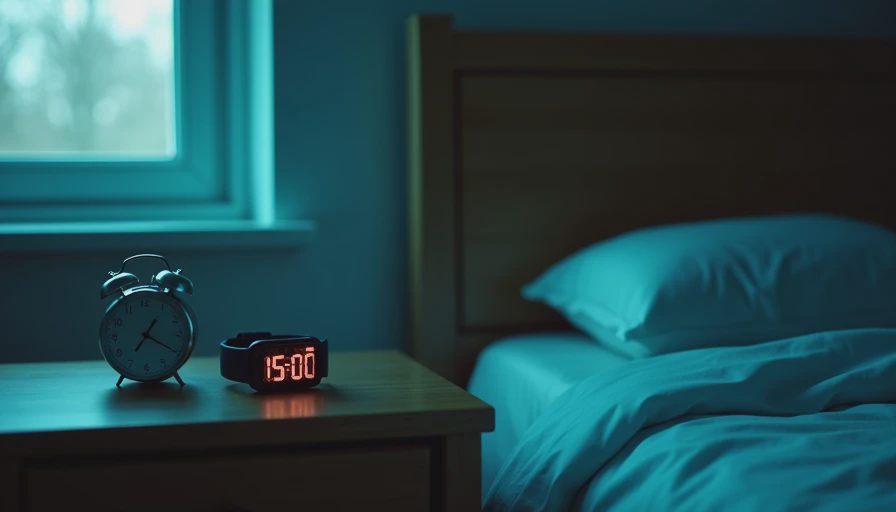
He was in his late fifties, recovering well after a mild cardiac event, and more motivated than most patients I saw. He walked every day. He took his medications. He asked good questions. He also owned a new smartwatch that he had started checking every time he woke up during the night.
By the time he told me about it, the pattern was already entrenched. He would stir at 2:30 or 3:00 a.m., reach for the watch, and look at overnight heart rate or the early recovery score. If the number looked higher than he liked, sleep was finished. He would lie there calculating what it might mean, then start the next day already tired and worried. Within three weeks his average sleep had dropped and his daytime resting heart rate had begun to creep upward—the exact opposite of what we wanted.
I had seen versions of this before. The devices were new enough then that many patients treated every reading like a clinical lab result. The difference was that lab results did not light up on their wrist at three in the morning.
The Conversation
We sat in the clinic office on a Tuesday afternoon. I asked him to walk me through a typical night. He described the routine without embarrassment: wake, check, worry, repeat. I asked what the numbers had actually shown over the previous two weeks. The overnight averages were stable. The occasional higher reading was still within a normal range for someone adjusting to new medications and residual anxiety.
I told him the plain truth: the watch was not wrong about the numbers, but the timing and frequency of inspection were making everything worse. Checking at 3 a.m. guaranteed he would see the least flattering slice of data and then add stress on top of it. The stress itself was capable of raising the very numbers he feared.
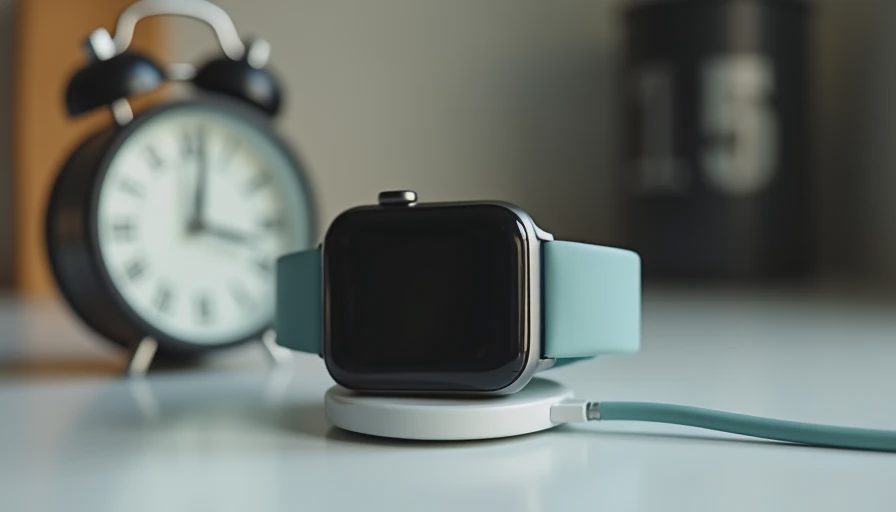
So I gave him a simple instruction. For the next ten days the watch stayed on the charger in the kitchen after 9 p.m. He could look at the full overnight summary once in the morning, after breakfast, and only at the weekly trend after that. If he woke during the night he was allowed to note the time on a basic alarm clock and nothing else.
He looked skeptical. He also looked exhausted enough to try it.
What Changed
The first three nights were hard. He still woke and reached for a wrist that no longer had a glowing screen. By the fifth night he was sleeping through more often. By the end of the ten days his self-reported sleep had improved and the morning resting-heart-rate numbers—when he finally looked at them—had settled back toward his baseline.
The data had not been the enemy. The constant overnight interrogation of the data had been. Once the interrogation stopped, the physiology had room to calm down.
We eventually reintroduced the watch with clear rules: daytime wear was fine, overnight tracking was fine, but the screen stayed dark and unchecked until morning. He kept those rules for the rest of the time I worked with him. His recovery continued without the extra layer of self-inflicted anxiety.
Why the Story Still Matters
I think about that patient every time I see someone treating a wearable like a night-light and a judge at the same time. The tools are better now. The batteries last longer. The sensors are more consistent. None of that changes the basic risk: a precise-looking number arriving at the wrong moment can create more problems than it solves.
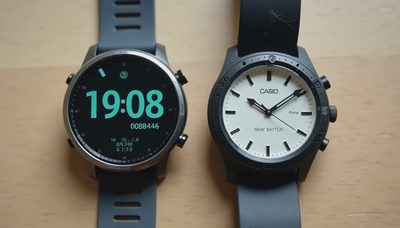
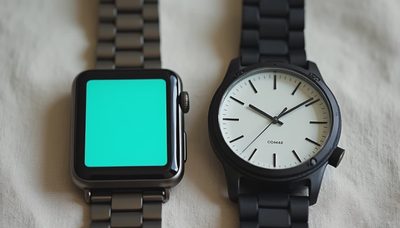
This is one reason the Casio stays on my opposite wrist. It does not offer scores at 3 a.m. It does not invite interpretation when interpretation is least reliable. It just keeps time while the more sophisticated device collects data that I will look at later, in daylight, with context.
The same principle applies whether you are recovering from a cardiac event or simply trying to train consistently: the value of the metric depends on when and how often you choose to see it.
A Simple Rule I Still Use
If the data is important enough to track overnight, it is important enough to review once, calmly, in the morning. It is almost never important enough to review while you are supposed to be sleeping.
That single boundary has prevented more spiral than any algorithm improvement I have seen in the last eight years of testing devices. The watch can stay on. The checking can wait.
Trust the trend, not the reading—and give the trend the daylight it deserves.
No letters yet — pray write the first.