I have spent eight years wearing smartwatches, rings, and fitness trackers for weeks at a time, and the most useful wearable technology trends are not always the flashiest ones. A new sensor can look impressive in a launch video, yet still produce numbers that do not change your training, sleep, or health decisions. My approach is simple: wear the device long enough to see how it behaves on ordinary Tuesdays, sweaty runs, restless nights, and busy family weekends.
The question is not whether a gadget can measure something. Most can. The better question is whether the measurement is consistent enough to help you make a sensible choice. Trust the trend, not the reading. That rule has saved me more money than any discount code.
The move from step counting to useful context
One of the biggest wearable technology trends is the shift from isolated numbers to context. A step total of 8,000 does not tell you whether those steps came from a brisk walk, a day of errands, or pacing around a kitchen. Newer devices increasingly combine movement, heart rate, sleep timing, and workout history to explain what your body may be handling.
That context can be genuinely helpful. If your resting heart rate is slightly higher for several mornings, your sleep has been short, and an easy run feels unusually hard, the combined picture supports taking a lighter day. No single reading proves that you are sick or overtrained. Together, repeated signals can prompt a reasonable adjustment.
Apple Watch, Garmin, Fitbit, Samsung Galaxy Watch, and Oura all present this information differently. Garmin leans toward training load and recovery guidance. Apple emphasizes a broad health and activity ecosystem. Fitbit keeps many features approachable, while Oura makes overnight trends the center of the experience. The best choice depends less on the logo and more on which information you will actually review.
Continuous health data needs a calmer interpretation
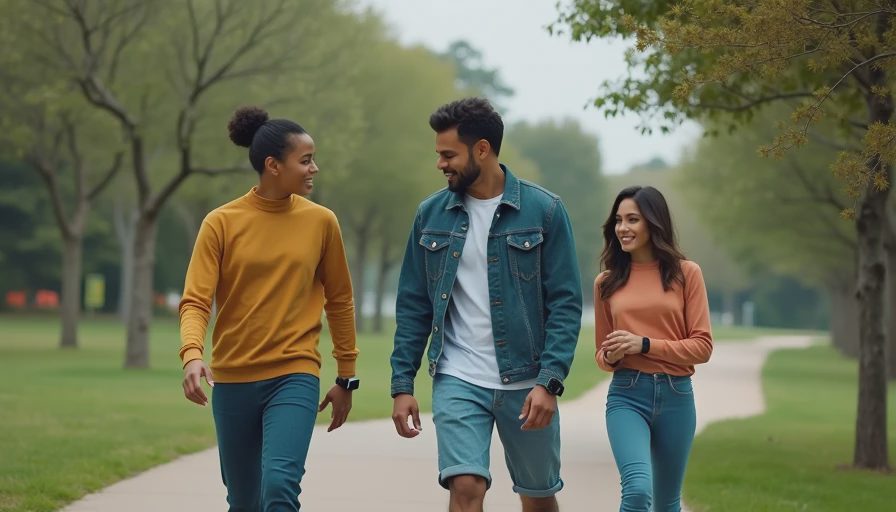
Another important part of wearable technology trends is the growing availability of continuous health data. Modern devices can track overnight heart rate, heart-rate variability, blood oxygen estimates, skin temperature changes, and sometimes irregular rhythm notifications. These features can be useful, but they are not interchangeable with a clinical test.
For example, heart-rate variability is affected by sleep, alcohol, stress, illness, training, and even how still you were during measurement. A lower value one morning is not a diagnosis. It is one data point. If the number remains unusual while you feel unwell, the sensible response is to consider your symptoms and contact a qualified medical professional, not to refresh the app every five minutes.
The same principle applies to sleep stages. A watch can estimate when you were asleep and awake fairly well in many situations, but the precise division between light, deep, and REM sleep is not something I treat as laboratory-grade information. Total sleep time, regularity, bedtime, and how you feel the next day usually deserve more attention than whether an algorithm awarded you 62 or 78 minutes of deep sleep.
Smart rings are becoming serious competitors
Smart rings are another of the wearable technology trends worth watching because they solve a practical problem: some people do not want a bright screen on their wrist all day. A ring can collect overnight information discreetly and often feels less distracting during work, meals, and social time.
Oura Ring has helped define this category, while Samsung Galaxy Ring offers a natural option for people already using compatible Galaxy phones and watches. RingConn and Ultrahuman also appeal to buyers who want long battery life or different approaches to subscriptions and coaching. Those distinctions matter. A device that requires charging every night can create more missing data than a slightly less ambitious device that lasts several days.
The limitation is obvious during exercise. A ring is not a replacement for a clear workout screen, physical buttons, or reliable GPS. For a runner, cyclist, or gym user, a ring may work best as a sleep and recovery companion alongside a simpler sports watch. If your main goal is discreet overnight tracking, it could be enough on its own.
Recovery scores are prompts, not permission slips
Recovery scores feature prominently in current wearable technology trends, and they can be useful when treated as prompts rather than orders. These scores usually combine inputs such as recent activity, sleep, resting heart rate, and heart-rate variability. They are not measuring a tank of recovery inside your body. They are summarizing patterns through an algorithm.
I have seen a watch recommend an easy day after a poor night, then felt perfectly capable of a normal workout. I have also felt flat on a morning when the score looked excellent. That is why I compare the score with breathing, soreness, motivation, and performance during the warmup. If the first mile feels heavy and your stride is forced, backing off is smart even when the screen says you are ready.
This is where wearable technology trends can either improve habits or create anxiety. Use the score to ask a better question: what training choice fits today? Do not use it to win an argument against your own body.
Battery life and comfort beat impressive specifications
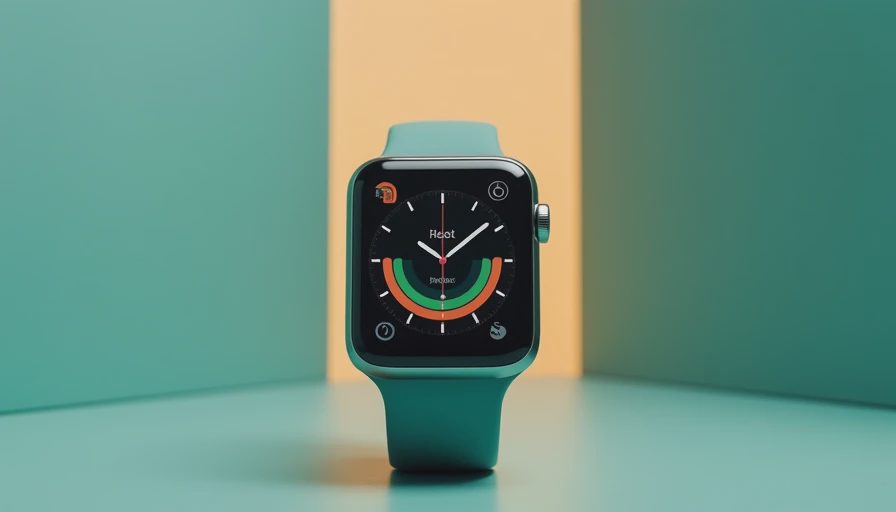
The most underrated wearable technology trends involve hardware that quietly improves daily use. Better battery life, faster charging, lighter materials, brighter outdoor screens, and more comfortable bands have a larger effect on real-world value than a long list of rarely used features.
A Garmin Forerunner can make sense for someone training by pace and distance, while an Apple Watch may be the smoother fit for an iPhone owner who wants calls, messages, music, and general health tracking. A basic Fitbit can be enough for someone focused on steps and sleep. You do not need the flagship model to establish a walking routine or understand your overnight schedule.
Before buying, ask how often you will charge it, whether you can sleep comfortably with it, and whether the phone app makes sense after a tiring day. A $250 device worn consistently is more valuable than a $700 device left in a drawer because the strap irritates your skin or the menus feel exhausting.
How to use wearable data without chasing every number
Start with one question. You might want to know whether you are sleeping enough, whether your easy runs are truly easy, or whether you are moving during a sedentary workday. Choose one or two metrics that relate directly to that question. Track them for at least two weeks before changing your behavior.
For sleep, begin with bedtime consistency and total time asleep. For running, look at pace, heart rate, and how the effort felt. For general health, use daily movement as a prompt to take a walk rather than a score to judge yourself. Write down unusual factors such as late alcohol, travel, illness, or a stressful deadline because those details often explain a strange reading better than a new algorithm does.
The most useful wearable technology trends are the ones that turn data into a small, repeatable action. Walk for ten minutes after lunch. Move bedtime earlier by 20 minutes. Replace one hard workout with an easy run when several signals point in that direction. Those choices matter more than endlessly comparing graphs.
What I expect next, and what you can skip
The next wave will likely bring more personalized coaching, better integration between rings and watches, improved temperature sensing, and more attempts to connect everyday data with preventive care. Some of that will be helpful. Some will be marketing wrapped around a familiar sensor.
When evaluating wearable technology trends, ignore the promise that one device will understand your entire body. Look for dependable measurements, a comfortable design, sensible privacy controls, and an app that helps you notice patterns without making you panic. Check whether important features require a monthly subscription, because a $5.99 fee can add more than $70 a year to the ownership cost.
My buying advice remains deliberately boring: choose the device you will wear, charge, and understand. Start with one behavior, watch the pattern for several weeks, and let the numbers support your judgment rather than replace it. That is where wearable technology trends become useful instead of merely new.

No letters yet — pray write the first.