If you are researching apple watch ultra 3 features, you are probably not looking for another glossy unboxing. You want to know whether the next rugged Apple Watch will improve training, sleep, navigation, and everyday reliability enough to justify a premium price. That is the right question. A larger screen and a new finish are easy to market; better battery behavior and clearer recovery information would actually change how the watch fits your life.
As of this writing, Apple has not published a complete official feature list for the Apple Watch Ultra 3. That means some online claims are predictions, supply-chain reports, or wish lists rather than confirmed specifications. I will separate the likely foundation from the genuinely useful upgrades, because a smartwatch should earn its space on your wrist after several weeks, not just during its first charging cycle.
The features that are most likely to carry forward
The Ultra line is built around a titanium case, a bright always-on display, dual-frequency GPS, cellular connectivity, water resistance, an Action button, and strong integration with the iPhone. Those basics are the starting point for any discussion of apple watch ultra 3 features. Expect the next model to retain serious outdoor tools such as Compass, Backtrack, waypoint marking, elevation data, route maps, workout recording, and emergency communication options.
For runners, the practical advantage is not that the watch displays more data than a Garmin or COROS. It is that Apple combines training views with notifications, music, messages, transit information, and safety features in one device. The tradeoff remains familiar: Apple Watch is a capable training tool, but it still feels more like a smart computer that can coach than a dedicated endurance instrument.
Battery life will remain the feature I examine first. A watch that needs a charge before a long weekend hike cannot be rescued by a prettier case. Apple will likely focus on efficiency, charging speed, or both. Even a modest improvement could matter if it lets you record a long run, sleep overnight, and start the next day without switching to Low Power Mode.
Display, durability, and outdoor use
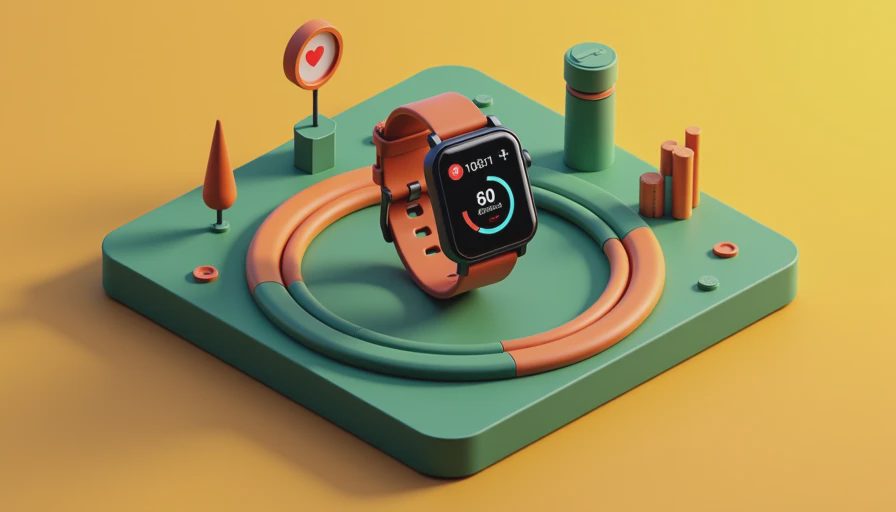
A larger or brighter display would be useful when you are running in direct sunlight, wearing gloves, or checking a route without stopping. The Ultra already has a generous screen, but readability depends on more than peak brightness. Text size, glare, wrist angle, and the number of taps required to reach a workout view matter just as much.
The likely apple watch ultra 3 features conversation also includes durability. A titanium case and sapphire crystal can handle ordinary training abuse, but no watch is indestructible. I have seen athletes worry about a tiny scratch while ignoring the more important issue: whether the band stays comfortable for twelve hours. If Apple changes the case shape or introduces new band hardware, comfort should be judged after a full workday and a sweaty run, not after five minutes in a store.
For hiking and open-water use, GPS performance deserves more attention than cosmetic changes. Satellite tracks can drift near cliffs, tall buildings, or dense tree cover. Dual-frequency GPS helps in difficult environments, but it is not magic. Route accuracy improves when the watch has a clear view of the sky and a properly configured workout. That is useful technology, not a substitute for basic navigation skills.
Health and fitness tools: useful signals versus noise
Apple’s health platform can track heart rate, heart-rate variability, sleep stages, respiratory rate, wrist temperature, blood oxygen where supported, and several safety alerts depending on the model and region. The important point is interpretation. A single unusual heart-rate reading after coffee, poor sleep, or a hard workout is not a diagnosis.
The most valuable apple watch ultra 3 features would make trends easier to understand. A seven-day change in resting heart rate, repeated sleep disruption, or a steady decline in training tolerance can be more informative than one dramatic number. I tell runners the same thing I learned in cardiac rehab: trust the trend, not the reading.
That does not mean ignoring alerts. Irregular rhythm notifications, fall detection, crash detection, and emergency calling can be meaningful safety tools. They are not replacements for medical care, and they can produce false alarms or anxiety. Use them as prompts to pay attention, not as proof that something is wrong.
What runners should watch for
For everyday runners, the strongest feature set would include accurate pace, stable GPS, customizable workout screens, structured intervals, heart-rate zones, route guidance, and a battery that supports consistent use. Apple already covers much of that territory. The question is whether the Ultra 3 adds better recovery guidance or simply rearranges familiar metrics.
A recovery score can sound scientific while hiding a simple calculation. If the watch combines sleep duration, recent training load, resting heart rate, and heart-rate variability, the result can be a useful nudge. It cannot know your full stress level, nutrition, illness history, or whether you are carrying a child up the stairs all evening. I would use such a score to adjust expectations, never to cancel a workout automatically.
Apple’s running metrics can also encourage better pacing. Vertical oscillation, ground contact time, stride length, and running power are interesting, but most recreational runners will improve more by running easy days slowly and completing consistent weekly training. The best apple watch ultra 3 features will be the ones that reduce friction between a sensible plan and the next workout.
Battery, charging, and daily wear
Battery claims need context. Manufacturers often quote a best-case number based on limited use, while real life includes GPS, cellular service, music streaming, sleep tracking, notifications, and an always-on display. Before buying, ask how you will charge the watch during a normal week. If you sleep in it, charging during breakfast may be more convenient than charging overnight. If you hike for two days, a portable battery becomes part of the system.
Apple Watch Ultra models generally suit people who want one device for work, exercise, safety, and communication. They are less compelling for someone who mainly wants step counts and sleep duration. A less expensive Apple Watch or a small fitness tracker could cover those needs for far less money, while a Garmin might be a better match for multi-day adventure racing or frequent long-distance hiking.
Should you wait for the Ultra 3?
Wait if your current watch works, you care about battery improvements, or you want to compare confirmed specifications with the previous Ultra generation. Buying immediately based on rumors is how people spend flagship money for a change they barely notice.
Buy an existing model if you need reliable GPS, cellular safety, and a bright outdoor display now. The older Ultra can already record workouts, monitor sleep, provide navigation, and integrate tightly with an iPhone. A sale price could make it the more rational choice, especially if the expected apple watch ultra 3 features turn out to be modest.
My rule is straightforward: choose the watch that helps you train consistently, sleep with less guesswork, and stay safer outdoors. Do not pay extra for a metric you will never review. Before committing, compare battery habits, band comfort, phone compatibility, cellular costs, and the workouts you actually do. The best wearable is not the one with the longest specification sheet. It is the one you still trust after the novelty wears off.


No letters yet — pray write the first.