A daily wearable check should help you make one sensible decision, not send you down a rabbit hole of graphs before breakfast. After years in cardiac rehab and eight years testing watches, rings, and fitness trackers, I use the daily wearable check to answer a simple question: how does my body look today compared with its normal pattern? That is more useful than reacting to one unusually high heart-rate reading or a sleep score that missed an hour.
What a daily wearable check is really for
Your smartwatch is not taking a complete medical history. It is sampling signals from your wrist, estimating movement, and comparing recent data with your personal baseline. The value comes from repetition. A single reading can be affected by a loose strap, cold skin, poor sleep, caffeine, stress, or a hard workout the day before. Several days pointing in the same direction deserve more attention.
My daily wearable check takes about two minutes. I look at resting heart rate, recent sleep duration, recovery or readiness information, and yesterday's training load. I also ask how I feel. That last step is not a quaint human addition; it is essential context. If the watch says I am ready to run but my legs feel heavy and my throat is scratchy, I do not let an algorithm overrule basic observation.
Trust the trend, not the reading. That is the rule I would put on the box of every consumer wearable.

Which metrics deserve your attention
Resting heart rate is useful when measured consistently, usually during sleep or shortly after waking. A small change from your usual number means little by itself. A sustained elevation across several mornings can reflect accumulated training stress, alcohol, illness, dehydration, or a rough week of sleep. The number points to a question; it does not provide the answer.
Heart-rate variability, or HRV, is another trend metric. It reflects variation in the timing between heartbeats and is influenced by the nervous system. Different devices calculate it differently, so do not compare an Apple Watch reading directly with an Oura Ring or Garmin score. Use the same device, under similar conditions, and watch your own baseline.
Sleep duration matters more than a colorful sleep-stage chart. Most consumer devices estimate stages rather than measuring brain activity directly. A daily wearable check should prioritize when you went to bed, when you woke up, total time asleep, and whether the pattern is improving. If your tracker reports 48 minutes of deep sleep, do not treat that number as laboratory truth.
Steps and active minutes are practical behavior prompts. They can remind a desk-bound worker to walk after lunch, but they are not a moral score. A 7,000-step day with a strength session may be more productive than a 12,000-step day spent wandering through errands.
A two-minute morning routine
Start by checking the overnight summary without opening every detail. Note sleep duration, resting heart rate, and any recovery flag. Then compare those numbers with the previous week. The goal is not to chase a perfect score; it is to notice a meaningful departure from your normal pattern.
Next, scan your calendar. A stressful workday, a long run, a late flight, or an early school drop-off changes what sensible training looks like. Finally, rate your own energy from one to five and notice soreness, motivation, and any symptoms. This is where the daily wearable check becomes useful instead of merely entertaining.
If the data and your body agree, proceed with your planned workout. If both suggest fatigue, reduce intensity, shorten the session, or take an easy walk. If they disagree, choose the conservative option for that day and reassess tomorrow. You are not losing fitness by replacing intervals with thirty minutes of easy movement.

How to use the check around training
For runners, the most useful application is adjusting effort before a workout becomes a mistake. Suppose your resting heart rate is several beats above its usual range, sleep was short, and your legs feel flat. That combination supports changing a hard tempo run into an easy aerobic run. The watch did not diagnose anything; it helped you connect several ordinary clues.
After training, do not judge a session only by calories burned or a training-readiness score. Ask whether the intended effort felt right, whether your heart rate responded normally, and whether soreness is affecting your stride. GPS errors, wrist movement, hills, heat, and sensor fit can all distort the data. A chest strap is generally a better choice for precise workout heart-rate tracking, especially during intervals.
A daily wearable check can also prevent unnecessary rest. If one poor sleep score appears after an otherwise normal week and you feel good, there is no reason to cancel a planned easy run. Smart training is flexible in both directions: it avoids pushing through clear fatigue and avoids treating ordinary variation as a crisis.
When a reading deserves more than a shrug
Wearable data is not a diagnosis, and consumer devices are not emergency monitors. Contact a qualified medical professional for concerning symptoms such as chest pressure, fainting, severe shortness of breath, or a sustained racing or irregular heartbeat. Do not wait for a watch notification to validate symptoms you can already feel.
For less urgent concerns, write down the date, reading, symptoms, medication changes, exercise, caffeine, and sleep. A record gives a clinician better information than a screenshot of one mysterious graph. If an unusual trend persists for several days, especially alongside symptoms, bring that record to an appointment.
The daily wearable check should lower noise, not increase fear. Turn off high-alert notifications if they make you repeatedly check the screen without changing your behavior. A device that keeps you anxious is not supporting health, regardless of how impressive its sensor list appears.
Choosing a device for this routine
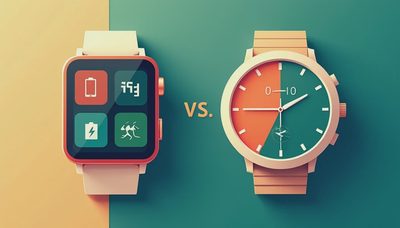
You do not need the flagship model. An Apple Watch, Garmin Forerunner, Fitbit, Samsung Galaxy Watch, or Oura Ring can support a sensible daily wearable check if it fits comfortably, records consistently, and presents trends you understand. Battery life often matters more than a feature list. A tracker left charging every night cannot build a reliable baseline.
Consider the habits you will actually use. Runners may value accurate GPS, workout controls, and compatibility with a chest strap. Someone focused on sleep may prefer a small ring or a watch with several days of battery life. Check subscription costs before buying, particularly for advanced readiness and sleep features.
The best choice is the device you will wear during ordinary life, not just during a product demo. Start with three metrics, review them at the same time each day, and ignore the rest until you know why you need it. A daily wearable check works because it creates a repeatable decision, not because it gives you more numbers.
My final test is simple: after checking the device, do you know what to do next? If the answer is yes, keep the routine. If you are only refreshing charts, put the watch down, take a walk, and return to the basics.

No letters yet — pray write the first.