A smartwatch diary is useful when it helps you understand your habits instead of giving you one more screen to check. After years of wearing Garmin, Apple Watch, Fitbit, and other trackers, I have learned that the valuable information is rarely a single score. It is the pattern across several days: an elevated resting heart rate after poor sleep, a run that feels harder than usual, or a recovery trend that matches what your body has already been telling you.
I treat the watch as a measuring tool, not an authority. The point is not to collect every available metric. The point is to connect a small amount of data with sleep, exercise, stress, alcohol, illness, and how you actually feel. Trust the trend, not the reading.
What to Record in a Smartwatch Diary
The best smartwatch diary takes less than two minutes per day. Each morning, write down your sleep duration, a simple sleep-quality rating from one to five, and your resting heart rate if the device provides a consistent measurement. Add your recovery or readiness score only as background information. These scores are built from several signals, and they are not direct measurements of your fitness or health.
In the evening, note your main activity, how hard it felt, and anything unusual. A short entry might read: “Seven hours of sleep, easy five-mile run, legs felt heavy, two beers, late dinner.” That sentence gives tomorrow’s data context that the watch cannot see. It also prevents you from blaming a poor score on some mysterious failure in your body.
Keep the format boring. A notes app, paper notebook, or spreadsheet works. I use a basic phone note with one line per day because it survives battery problems and does not tempt me to build elaborate charts. If you already use Apple Health, Garmin Connect, Fitbit, or Oura, your diary can simply add the human details around the automatically collected numbers.

Which Metrics Deserve Your Attention?
Heart rate is usually more useful as a trend than as a verdict. During steady exercise, it can help show whether a familiar pace is becoming easier. A higher-than-usual morning resting heart rate can also appear after poor sleep, dehydration, a hard workout, or the start of an illness. None of those explanations can be confirmed by a watch alone.
Sleep duration is worth tracking, but sleep stages deserve less confidence. Consumer wearables estimate stages using movement and pulse signals; they do not measure brain waves the way a clinical sleep study does. If your device says you had only 35 minutes of deep sleep, but you feel rested and perform normally, do not panic. The longer pattern matters more than one night.
Step counts, active calories, and readiness scores can motivate some people and annoy others. Calories are especially imprecise and should not become a daily judgment about food or character. A useful smartwatch diary asks whether a metric changes your behavior in a constructive way. If it does not, mute it.
Use Weekly Patterns, Not Daily Drama
Daily data is noisy. A loose watch band, a late workout, a warm bedroom, or a restless child can change a reading. I review my smartwatch diary once a week and look for repeated signals over at least seven to fourteen days. That is long enough to separate a one-off strange reading from a meaningful change.
For example, imagine three mornings with a resting heart rate five to eight beats above your usual range, alongside poor sleep and unusually difficult easy runs. That combination deserves a lighter training week and closer attention to hydration, stress, and illness symptoms. By contrast, one high reading after a late dinner is just a data point.
Write down the baseline that matters to you. If your normal easy run is 30 minutes at a comfortable pace, record how your breathing and legs feel at that effort. The watch can show pace and heart rate, but your perceived effort supplies the missing context. Over time, the strongest decisions come from both sources agreeing.

A Practical Example From Run Training
Suppose a runner sees a low recovery score on Monday. They slept six hours, drank little water during a busy workday, and completed a demanding workout Sunday evening. The score is not a diagnosis. It is a prompt to review the diary and adjust the plan. An easy 25-minute jog or a walk may be smarter than forcing intervals.
Now suppose the same runner feels energetic, sleeps well, and receives a mediocre score after the watch failed to capture part of the night. In that situation, the body and the device disagree. I would trust the complete picture, not surrender the workout to a colored ring or number.
This is where a smartwatch diary beats an app dashboard. The dashboard tells you what the algorithm calculated. Your notes explain why the calculation might be different today. That distinction keeps useful caution from becoming unnecessary fear.
How to Choose a Watch for Better Logging
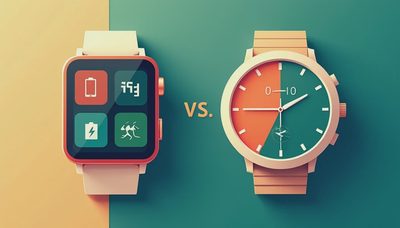
You do not need a flagship model for a useful record. A basic Garmin Forerunner can provide dependable run data and long battery life. An Apple Watch is convenient for iPhone users who want notifications, workouts, and health integrations. Fitbit models often emphasize approachable activity and sleep summaries. Oura and other smart rings can be helpful for people who dislike wearing a watch overnight, although they cannot replace a display during training.
Prioritize a comfortable fit, reliable battery life, clear export options, and a companion app you will actually open. A $200 device worn consistently is more valuable than a $700 device abandoned after two weeks. Optical heart-rate sensors also work better when the band is secure without being painfully tight. For serious interval training, a chest strap can provide more responsive heart-rate data than a wrist sensor.
Before buying, ask what decision the device will support. If the answer is “I want to know whether I am recovering well,” choose comfort and sleep wearability. If the answer is “I need navigation for long trail runs,” prioritize maps and battery capacity. Buying the biggest feature list rarely solves the real problem.
When the Data Should Not Be Ignored
Wearables are not medical diagnostic devices. A smartwatch diary can reveal a pattern worth discussing with a healthcare professional, but it cannot explain the cause. Seek prompt medical advice for concerning symptoms such as chest pain, fainting, severe shortness of breath, or sustained palpitations, regardless of what the watch displays.
Likewise, do not use a normal watch reading to dismiss symptoms. Wrist devices can miss events, misread movement, or lose contact with the skin. Their value is in supporting a conversation and documenting context, not replacing clinical evaluation.
The most useful smartwatch diary ends with fewer decisions, not more anxiety. Track sleep, effort, resting heart rate, and a sentence about how you feel. Review the pattern weekly, adjust training modestly, and ignore metrics that never improve your choices. Your wrist can collect the numbers; you still have to interpret the life around them.


No letters yet — pray write the first.