A smartwatch top pick should do more than flash an impressive list of sensors. It should sit comfortably on your wrist, record useful data consistently, and help you make one sensible decision at a time. After wearing more than 30 watches over eight years, I have learned that the best choice is rarely the model with the most features. It is the one you will charge, wear, and understand for months.
I approach these devices as an exercise physiologist and running coach, not as a collector of miniature computers. I care about whether a heart-rate reading behaves during an easy run, whether sleep information is useful instead of alarming, and whether the watch encourages better habits without turning every morning into a medical exam.
What makes a smartwatch top choice?
The first test is basic: can you wear it all day? A watch that irritates your skin, loses battery before a long run, or requires constant app troubleshooting is not a strong recommendation. A good everyday model should provide at least several days of battery life, clear notifications, reliable GPS, and a comfortable band that does not trap sweat.
For runners, GPS stability matters more than a colorful screen. A route that wanders through a neighborhood can turn a five-mile run into a confusing six-mile report. Garmin models such as the Forerunner 165 and 265 are built around training and battery life, while the Apple Watch Series 9 or newer models offer a smoother phone-connected experience for iPhone owners. Neither is automatically better. The right choice depends on what you do after the workout.
Heart-rate tracking deserves a calm explanation. Optical sensors estimate pulse by shining light into the skin and detecting blood-volume changes. They usually perform well during steady exercise, but quick intervals, cold hands, loose bands, and strength training can produce messy readings. Trust the trend, not the reading. If a watch says your heart rate briefly jumped to 190 while you felt relaxed and the next minute returned to normal, that isolated number is not a diagnosis.
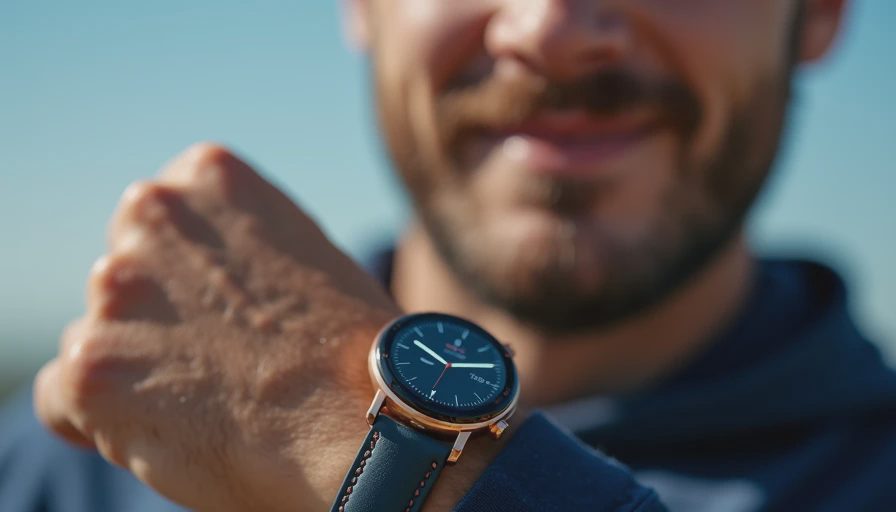
Smartwatch top features that earn their place
Sleep tracking is useful when it changes your routine. A watch can show bedtime consistency, approximate sleep duration, and how often your schedule shifts. It cannot reliably explain every nighttime awakening or tell you why you dreamed vividly. I use sleep scores as a prompt to ask, “What happened this week?” I do not treat them as a report card on my health.
Workout tools can be valuable for beginners and experienced runners alike. A simple watch can guide an easy heart-rate range, alert you when a planned interval starts, and show whether your pace is dropping. More advanced models add recovery suggestions, training load, running dynamics, and route navigation. Those features become worthwhile when you already follow a training plan. Before that point, they can create more decisions than progress.
The Apple Watch remains a smartwatch top option for people who live in the Apple ecosystem. Messages, calls, music, safety tools, and third-party apps are polished, and the interface is easy to learn. Its shorter battery life can be frustrating for runners who want continuous sleep tracking. Garmin often wins for endurance athletes because a charge can last many days, though its smart features and app experience feel less seamless.
The Samsung Galaxy Watch line is a sensible choice for many Android users, especially those who want a bright display, notifications, and broad fitness functions in one package. Fitbit models can appeal to people focused on simple activity and sleep habits, while the Pixel Watch offers a compact Google-centered experience. Compare the phone compatibility, subscription requirements, battery expectations, and comfort before comparing sensor counts.
Ignore the impressive numbers that do not change behavior
Wearables can estimate calories burned, stress, readiness, body battery, blood oxygen, skin temperature, and sleep stages. Some estimates are useful for spotting patterns; others are better treated as background information. Calories are particularly noisy because the watch combines movement, pulse, body details, and an algorithm. I would rather see someone use a device to walk for ten minutes after lunch than worry about whether it recorded 427 or 451 calories.
Blood oxygen readings can also fluctuate because of fit, skin contact, movement, cold fingers, and sensor limitations. A single low value from a consumer device is not enough to interpret a health problem. If you have symptoms or a medical concern, use appropriate clinical care rather than trying to settle the question with a wrist gadget. A smartwatch is a behavior tool, not a replacement for a clinician.
For many people, the best smartwatch top feature is a quiet reminder. A nudge to stand, a scheduled walk, or a clear bedtime target can be more valuable than an advanced recovery score. The goal is not to maximize data. The goal is to make the next useful action easier.

How to choose without overpaying
Start with your phone. Apple Watch requires an iPhone, while Garmin, Fitbit, and Samsung models have different levels of compatibility across Android and iOS. Then write down your actual priorities: running, sleep, calls, strength training, hiking, or general activity. Rank the top two. This prevents a $600 purchase based on a feature you might use twice.
Next, consider total cost. A watch priced around $200 to $350 can handle fitness tracking, GPS, notifications, and sleep trends very well. Premium models often cost $400 to $800 and add materials, maps, longer battery life, deeper training tools, or specialized sensors. Some platforms also place advanced insights behind a monthly subscription. Add that recurring cost before deciding that a discount is a bargain.
Fit matters more than people expect. The sensor needs steady contact without being painfully tight. Wear it above the wrist bone during exercise, and clean the band regularly. If you wake up annoyed by the watch, you will eventually leave it on a dresser, where its excellent data becomes completely irrelevant.
My smartwatch top buying advice after eight years
Buy the simplest model that supports your real routine. A runner completing three easy sessions a week does not need the same computer as an ultramarathoner navigating remote trails. Someone trying to sleep better may benefit more from a comfortable, lightweight tracker and a consistent bedtime than from an expensive watch with training readiness, altitude data, and six workout profiles.
Before purchasing, check battery life with GPS, not just the manufacturer’s casual-use claim. Read long-term reviews that mention band comfort, sync reliability, screen visibility, and charging habits. If possible, try the watch on for several minutes. A small difference in weight can determine whether you wear it every night.
My current smartwatch top recommendation is not one universal model. It is a decision process: match the watch to your phone, choose two meaningful goals, ignore noisy perfectionism, and give the device several weeks before judging it. Look for trends in resting heart rate, sleep timing, running pace, and how you feel during training. The useful watch is the one that turns those trends into a practical adjustment.
A smartwatch top list can point you toward capable hardware, but your habits decide whether it earns a place in your life. Spend less on features you will not use, wear the device consistently, and let the data support your judgment rather than replace it. That is how a small screen becomes useful instead of just another source of noise.


No letters yet — pray write the first.