If you searched for a Fitbit air whoop competitor, you are probably trying to solve a practical problem: you want useful sleep and recovery information without paying for a device that turns every morning into a performance review. I understand. After wearing more than 30 trackers over eight years, I have learned that the best wearable is not the one with the longest feature list. It is the one whose information changes a decision you were already prepared to make.
There is an important clarification first. Fitbit does not currently sell a mainstream product officially called “Fitbit Air.” That phrase usually points to a Fitbit device being considered as an alternative to Whoop, possibly alongside interest in a lighter or less distracting tracker. The real comparison is typically Fitbit Charge, Fitbit Sense, or a Pixel Watch against Whoop 4.0.
What Whoop does differently
Whoop is built around continuous wear, recovery analysis, sleep coaching, and strain. It has no traditional watch display, which is useful if you do not want notifications or another bright screen on your wrist. Its daily scores combine measurements such as resting heart rate, heart-rate variability, sleep duration, and respiratory rate into a simple readiness-style recommendation.
That simplicity is Whoop’s strength and its limitation. A score can help a busy runner notice that several poor nights, a hard workout, and a rising resting heart rate are pointing in the same direction. It cannot tell you exactly why you feel tired, and it should not override symptoms, injury pain, or common sense.
Whoop also uses a membership model. The subscription includes the device and software, with pricing and promotions changing over time. For a committed athlete, the coaching tools can justify the recurring cost. For someone mainly trying to sleep better, that monthly bill can feel excessive after the novelty fades.
Where Fitbit is the better value
For many shoppers comparing a Fitbit air whoop competitor, Fitbit offers more hardware for less ongoing commitment. A Fitbit Charge typically includes a small display, step counting, heart-rate tracking, sleep features, exercise modes, smartphone notifications, and several days of battery life. Exact functions depend on the model and subscription tier, but the device remains useful even when you are not paying for Fitbit Premium.
The Fitbit app is also approachable. You can see sleep duration, sleep stages, resting heart rate, activity, and trends without needing to understand a training dashboard. That matters for a parent fitting in three runs a week, a gym member rebuilding consistency, or anyone who wants a nudge to walk more during a workday.
The tradeoff is that Fitbit’s recovery guidance is not a direct copy of Whoop’s strain-and-recovery system. Fitbit may show relevant signals, but the interpretation is less centered on a single daily readiness workflow. If you want a device to tell you how hard to train today, Whoop feels more purpose-built. If you want a general health and activity tracker, Fitbit is usually the calmer purchase.
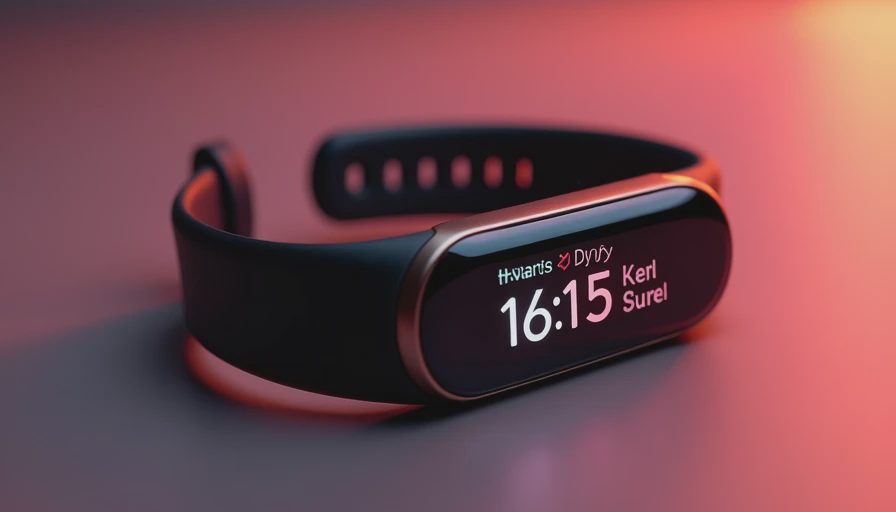
Fitbit versus Whoop for sleep tracking
Sleep is where this comparison gets more complicated. Both platforms estimate sleep duration and stages from movement and heart-rate patterns. Neither is measuring brain waves like a clinical sleep study, so sleep-stage numbers should be treated as estimates rather than medical facts. A tracker can be useful for noticing that you sleep six hours after late workouts, but it cannot diagnose insomnia or sleep apnea.
In my own testing, total sleep time and bedtime consistency are more actionable than whether an app reports 52 minutes of deep sleep or 64. That number can move because of sensor fit, movement, alcohol, illness, or algorithm changes. Trust the trend, not the reading.
Whoop makes the sleep conversation more prominent. It can estimate how much sleep you need and show the cost of missed sleep across several nights. Fitbit presents sleep in a friendlier, more general wellness context. For a person who wants gentle awareness, Fitbit is enough. For an athlete willing to plan training around sleep debt, Whoop offers more structure.
Fitbit air whoop competitor options beyond Fitbit
If neither platform fits, several alternatives deserve a look. The Garmin Forerunner 265 is a stronger choice for runners who care about pace, structured workouts, GPS accuracy, and training status. Garmin’s ecosystem is broader than Fitbit’s, but its menus take more time to learn. It is a watch first, not a screen-free recovery band.
The Oura Ring is appealing when sleep, recovery, and discreet wear matter more than live workout data. It avoids a wrist display, although it also uses a membership for many of its most useful insights. The Apple Watch is the most versatile option for iPhone owners who want workouts, calls, safety tools, and a large app ecosystem, but its daily charging routine does not suit everyone.
The best Fitbit air whoop competitor depends on the question you need answered. “Did I sleep enough and move today?” points toward Fitbit. “How should I balance training stress and recovery?” points toward Whoop. “How do I execute a marathon plan?” points toward Garmin. “How do I wear something I barely notice?” points toward Oura.

What the numbers can and cannot tell you
Recovery metrics are useful when several signals agree. Suppose your resting heart rate is higher than usual, your heart-rate variability trend is lower, you slept poorly, and an easy run feels unusually hard. That combination is a reasonable reason to reduce intensity. On the other hand, one strange heart-rate reading after a loose band is not a reason to cancel your race or panic.
The same principle applies to calories. Fitbit, Whoop, Garmin, and Apple Watch all estimate energy expenditure, but wrist-based calorie numbers are not precise enough to make rigid food decisions. Use them for broad activity comparisons, not for permission to eat or a reason to restrict meals.
Wearables also cannot replace medical evaluation. Persistent palpitations, chest discomfort, fainting, unusual breathlessness, or a major change in exercise tolerance deserves attention from a qualified clinician, regardless of what an app reports.
A simple buying checklist
Start by deciding whether you want a screen. Choose Fitbit Charge or Apple Watch if seeing steps, time, pace, and notifications matters. Choose Whoop or Oura if you prefer passive tracking and are comfortable checking an app later.
Next, price the full two-year ownership cost. Include the device, subscription, replacement bands, and accessories. A $150 tracker with an optional premium plan can cost less than a subscription-first device, but only if you use the included features. Also consider charging. A device that lasts several days is easier to wear consistently than one requiring a nightly routine.
Finally, select three metrics you will actually use. For most people, those are sleep duration, resting heart-rate trend, and weekly activity. If a fourth metric does not lead to a clear action, it is probably dashboard decoration.
My practical recommendation
For a general wellness buyer, Fitbit remains the sensible first stop. It is approachable, broadly capable, and does not force you into a coaching philosophy. For a serious endurance athlete who wants daily strain and recovery guidance, Whoop is more coherent. For runners who need GPS, intervals, and long battery life, Garmin is the more complete tool.
So, is there one perfect Fitbit air whoop competitor? No. The right replacement depends on whether you need motivation, training direction, or fewer distractions. Buy the platform that matches your behavior today, not the athlete you imagine becoming next year. A modest tracker worn every day will teach you more than an expensive one abandoned after two weeks.


No letters yet — pray write the first.