Finding the best budget smartwatch is less about collecting the most features and more about choosing the ones you will actually use. After years of wearing watches through runs, workdays, sweaty gym sessions, and ordinary nights, I have learned that a reliable $70 watch can be more useful than a flashy $400 model. The question is not whether the screen looks impressive in a product photo. It is whether the watch stays comfortable, records your routine consistently, and gives you information that changes what you do.
For most people, the best budget smartwatch needs four things: dependable step and workout tracking, acceptable sleep data, several days of battery life, and an app that does not make you fight for basic information. GPS is valuable for runners, while call handling and notifications matter more to someone trying to leave a phone in a desk drawer. Start with your habits, not the specification list.
What the best budget smartwatch should include
A low price should not mean buying a disposable gadget. The best budget smartwatch should have a bright enough display for outdoor use, physical or capacitive controls that work with sweaty fingers, and a band that can be replaced. Proprietary straps are not a deal breaker, but inexpensive standard-width replacements are easier to find after the original becomes stretched or smells like a gym bag.
Battery life is another practical dividing line. A watch that lasts five to seven days is easier to live with than one that needs charging every night. Frequent charging creates gaps in sleep records, and those gaps make trends harder to interpret. You do not need a perfect record, but you do need enough consistent nights to see whether your schedule is improving.
Look for heart-rate tracking during exercise, automatic workout detection, water resistance suitable for swimming or showers, and phone notifications that can be turned off selectively. An oxygen saturation sensor can be interesting, but it is not a medical diagnostic tool. Consumer wrist sensors are affected by fit, skin contact, motion, and temperature. Trust the trend, not the reading.

My budget picks by type of user
For an iPhone owner who wants a familiar interface, an older Apple Watch SE or a sale-priced Apple Watch can be a sensible choice. It offers strong workout tools, polished notifications, and good integration with the Health app. The tradeoff is battery life, which often means charging daily. That makes it less attractive for sleep tracking unless you create a charging routine while showering or working at a desk.
For Android users who want a simple daily tracker, the Amazfit Bip series is often worth considering. Models in this family generally emphasize long battery life, a lightweight case, and broad activity support rather than premium materials. The software experience is not as seamless as Apple’s, but a runner who mainly needs pace, distance, heart rate, and notifications may not care.
The best budget smartwatch for someone who trains regularly is often a discounted older Garmin model, such as a Forerunner 55 when available at a reasonable price. Garmin’s training screens and button controls are useful during intervals, and the ecosystem is better suited to runners than many inexpensive lifestyle watches. It does not offer every smartwatch convenience, but it tends to keep the important numbers easy to read while moving.
Samsung’s lower-priced Galaxy Watch models can suit Android users who want a more traditional smartwatch experience, including apps, messages, and a crisp display. Just pay attention to phone compatibility and battery expectations. A feature-rich watch is not automatically the best budget smartwatch if its charging routine irritates you within the first month.
Which health metrics deserve your attention
Step counts are useful as a simple activity prompt, not as a grade for your body. If your normal weekday total is 4,000 steps and you gradually move closer to 6,000 or 7,000, that change can be meaningful. There is no magic number that makes every person healthy, and calorie estimates from wrist devices are particularly rough. Use them to compare your own weeks, not to justify an exact dinner.
Heart rate is most helpful when viewed during steady exercise and recovery. A wrist sensor can show whether an easy run looks unusually hard, but motion, a loose band, cold skin, and intervals can all produce noisy readings. If you have symptoms such as chest pain, fainting, or unusual shortness of breath, a watch is not the place to seek reassurance. Stop and seek appropriate medical care.
Sleep scores can help identify patterns in bedtime, wake time, and interruptions. They cannot tell you precisely what happened in every sleep stage. I pay more attention to whether I slept seven hours instead of six, whether late caffeine changes my night, and whether I feel recovered for training. The best budget smartwatch should support those observations without turning bedtime into a nightly exam.
Hidden costs and buying checks
The price on the product page is only part of the decision. Check whether GPS is built in or whether the watch borrows location data from your phone. Built-in GPS is useful for leaving the phone at home, but it can reduce battery life during long activities. Also check replacement band prices, charging cable availability, warranty length, and whether the companion app requires a paid subscription for basic trends.
A $60 watch that needs a $25 proprietary charger after a loss is not quite the bargain it first appeared to be. The same applies to premium coaching or sleep features locked behind a monthly plan. Subscriptions can be worthwhile for some people, but you should know what remains available if you cancel.
Before buying, read recent owner reviews for the exact model, not just the brand. Firmware updates can change battery performance, notification behavior, and workout reliability. Retailer listings sometimes combine several generations under one product title, so confirm the model number and included charger.
How I would test a new watch for two weeks
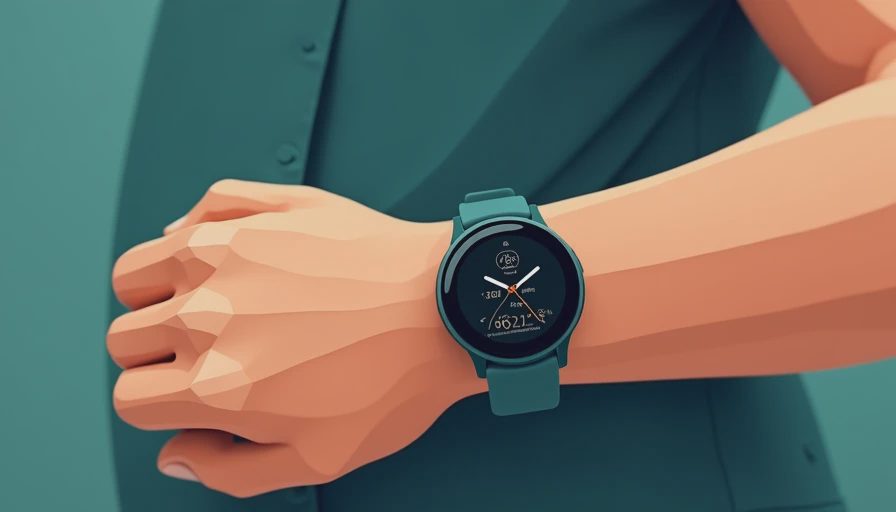
Start by wearing it for three ordinary days before judging accuracy. Learn how the band fits and whether the display wakes when you raise your wrist. Then record one familiar walk, one easy workout, and one route where you know the approximate distance. Compare broad patterns rather than expecting the watch to match a chest strap or professional GPS device exactly.
Next, wear it overnight for at least five nights. Notice comfort, charging gaps, and whether the sleep report helps you make a useful adjustment. Try the notification settings during a normal workday. If every text, promotion, and calendar alert buzzes your wrist, the problem is not weak technology; it is poor configuration.
Finally, check the app after a full week. Can you find resting heart rate, workout history, battery status, and trend views without tapping through six menus? The best budget smartwatch should reduce friction. If you stop opening the app because the information is confusing, a cheaper tracker with a clearer interface could serve you better.
Who should buy one and who should skip it
A budget smartwatch makes sense for a busy adult who wants gentle reminders to move, basic exercise records, sleep timing, and fewer phone checks. It can also help a new runner see time, distance, and pace without buying a dedicated training watch. Parents, office workers, and casual gym users often get plenty of value from a modest model.
You should think twice if you expect clinical-grade health monitoring, advanced navigation, accurate calorie accounting, or detailed training load analysis. Those needs can justify a specialized device, but they also require more effort to interpret. Do not buy a watch for a metric you have no plan to use.
My practical choice for most readers is the best budget smartwatch that fits their phone, lasts several days, and presents a small set of useful trends clearly. Spend less on materials and more attention on comfort, battery behavior, and the app. Wear it consistently for a few weeks, make one sensible change at a time, and let your experience—not a dramatic single reading—decide whether it earned a place on your wrist.

No letters yet — pray write the first.