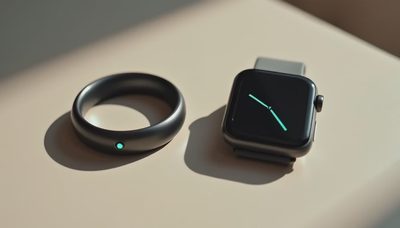
The smart ring vs smartwatch decision usually comes down to one question: do you want a quiet health tracker or a small computer on your wrist? After wearing both types for weeks at a time, I think the answer depends less on the number of sensors and more on what you will actually do with the information. A ring is easier to forget. A watch is far more useful during a run, at the gym, or when you need directions without reaching for your phone.
Smart ring vs smartwatch: What each device does best
A smart ring typically focuses on passive tracking. It can monitor sleep duration, resting heart rate, heart rate variability, skin temperature trends, and daily movement. The best examples, including Oura Ring and Samsung Galaxy Ring, are designed to disappear into your routine. There is no bright screen asking for attention during dinner or bedtime. You check the app later and look for patterns across several days.
A smartwatch takes a broader approach. Apple Watch, Garmin, Samsung Galaxy Watch, and Fitbit models can show notifications, record workouts, provide GPS route data, control music, and sometimes offer features such as an electrocardiogram or irregular rhythm alerts. A watch is a training tool and a phone companion first, with sleep tracking added to the package.
That difference matters. Smart rings are generally better for comfortable overnight wear, subtle recovery tracking, and people who do not want another screen. Smartwatches are better for live feedback, structured workouts, safety features, and seeing information immediately. In smart ring vs smartwatch testing, I rarely found one device that replaced the other in every situation.
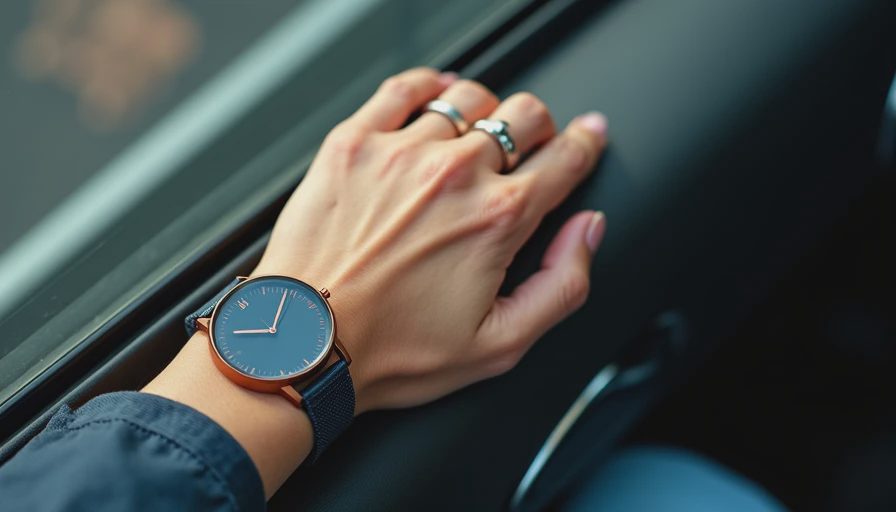
Sleep and recovery tracking
For sleep, the smart ring vs smartwatch comparison usually favors the ring. A ring is light, has no bulky case pressing into your wrist, and does not need to stay visible during the night. I tend to get more consistent overnight wear from a ring, and consistency is more valuable than a long list of sleep stages measured on only some nights.
Still, do not treat sleep scores as medical results. Sleep staging is estimated from movement and heart-related signals, not measured directly from your brain. A score can help you notice that late alcohol, a short night, or a hard training block changes your recovery. It cannot explain every restless night or diagnose a condition.
Smartwatches have improved considerably here. Apple Watch, Garmin, Fitbit, and Galaxy Watch devices can provide useful sleep duration and heart-rate trends, especially when worn consistently. Their weakness is comfort for some sleepers, plus the temptation to stare at a single score and panic. Trust the trend, not the reading. If you feel fine but one night looks strange, the sensible response is to watch the pattern rather than cancel your week.
Workouts, GPS, and everyday coaching
This is where the smart ring vs smartwatch choice becomes much easier. If you run, cycle, hike, lift weights, or attend classes where you want live metrics, choose a smartwatch. A Garmin Forerunner can show pace, distance, heart rate, and intervals without a phone. Apple Watch and Galaxy Watch models provide strong general-purpose workout support, while Fitbit leans toward approachable daily activity and health summaries.
Most smart rings do not have a screen or built-in GPS. They can often import exercise data from a phone or another wearable, but they are not ideal for pacing a 10K. You cannot glance at a ring and see whether your current mile is too fast. That makes rings useful as a recovery companion, not a complete running computer.
For strength training, the watch advantage is also practical. A display can show rest timers, repetitions, elapsed time, and heart rate between sets. A ring can tell you that the session contributed to your activity load, but it usually will not guide the session in real time. If your goal is simply to walk more and sleep better, that limitation may not matter.

Comfort, battery life, and subscriptions
Comfort is personal, but smart rings usually win overnight while smartwatches win during active use. A ring has no strap to adjust and is less likely to catch on clothing. However, finger swelling, cold hands, weightlifting, and changing ring size can affect the experience. Some people also dislike removing a ring for certain exercises or household tasks.
Battery life varies by model, but many rings last several days and some watches last from roughly a day to more than a week. Apple Watch users generally charge daily or near daily. Garmin models often last longer, particularly those without an always-on display. A ring can be easier to keep charged because it is commonly topped up while showering, but a tiny charging cradle is another item to remember.
Cost deserves equal attention. Smartwatches commonly range from about $200 for capable entry models to $800 or more for premium versions with cellular service and advanced materials. Rings often cost roughly $250 to $500, and some brands add a monthly membership for deeper insights. Oura, for example, has historically paired its hardware with a subscription, while Samsung Galaxy Ring features have been positioned around the broader Galaxy ecosystem. Check the current price before buying; subscription terms change.
Which one should you buy?
The smart ring vs smartwatch answer is a ring if your priority is sleep, recovery, low-profile wear, and passive health trends. It is especially appealing if you already carry a phone and do not want notifications on your body. Choose an Oura Ring or Galaxy Ring style device when the main behavior you want to change is bedtime consistency, daily movement, or recovery habits.
Choose a smartwatch if you want GPS, workout screens, emergency calling options, music controls, contactless payments, or notifications at a glance. Runners should look first at Garmin, Apple Watch, or another model with the training tools they will actually use. Buying a ring and expecting it to replace a dedicated running watch usually creates an expensive compromise.
There is also a reasonable two-device setup. Some athletes wear a watch for training and a ring for sleep, then use one platform as the main record. That can work, but duplicate step counts and heart-rate data can make the app confusing. Decide which device owns workouts and which owns overnight tracking before you start comparing every small difference.
A practical buying checklist
Before choosing in the smart ring vs smartwatch debate, write down the three moments when you want help. If those moments are falling asleep, understanding recovery, and remembering to move, a ring may be enough. If they are running intervals, navigating a trail, and answering calls, a smartwatch is the more capable tool.
Next, consider your phone. Apple Watch is designed around the iPhone, while Galaxy Watch features work most naturally with Samsung and Android phones. Garmin supports a broad range of phones and is often the cleaner choice for runners who care more about battery life and training depth than apps. Compatibility is not a minor detail; it can determine whether setup feels simple or frustrating.
Finally, set a budget that includes accessories and fees. A $300 device with a $6 monthly membership costs about $516 over three years before taxes. A $400 watch with no subscription may be cheaper over time, even if the initial purchase is higher. The best wearable is the one you will wear long enough to produce useful trends, not the one with the longest specification sheet.
The smart ring vs smartwatch decision is really a choice between quiet context and immediate control. Pick the ring for unobtrusive recovery awareness, or pick the watch for training and connected features. Either way, use the numbers to support sensible habits, not to replace how you feel. Trust the trend, not the reading.


No letters yet — pray write the first.