A fitness tracker under 150 can be genuinely useful, but only if you know which numbers deserve your attention. I have spent years wearing trackers through easy runs, sweaty gym sessions, restless nights, and ordinary workdays. The pattern is consistent: affordable devices can measure movement, heart rate trends, sleep timing, and workouts well enough to guide better habits. They cannot replace medical equipment, and they do not need to.
My rule is simple: a wearable should change what you do, not merely count what you did. If seeing a seven-day step average gets you walking after dinner, that is valuable. If a questionable sleep score keeps you awake worrying about recovery, it is noise. Trust the trend, not the reading.
What you can realistically expect for under $150
The best fitness tracker under 150 usually includes a color screen, optical heart rate monitoring, step and distance tracking, sleep estimates, phone notifications, and automatic workout recognition. Many models also offer built-in GPS, although that feature is not universal. GPS matters if you run or cycle without carrying your phone. For treadmill workouts, strength training, and general activity, your phone's GPS is often sufficient.
Battery life is one of the strongest reasons to stay in this price range. Fitbit Charge models, Amazfit bands, and similar devices often last several days or longer between charges. That makes overnight wear easier than with a smartwatch that needs daily charging. A tracker that remains on your wrist is more useful than a premium watch sitting on a charger.
Do not expect clinical-grade blood pressure readings or a diagnosis from a wrist sensor. Even heart rate can be affected by a loose fit, cold skin, sweat, tattoos, or vigorous arm movement. These devices are good at showing patterns. They are not a substitute for a blood pressure cuff, an electrocardiogram, or advice from a qualified clinician.

The metrics I would actually use
For most people, the most useful metric is not calories burned. Calorie estimates from wrist devices can be directionally helpful, but they are not precise enough to justify eating back every displayed calorie. I would pay more attention to active minutes, walking consistency, resting heart rate trends, and workout duration.
A fitness tracker under 150 can also help you see whether your easy days are truly easy. During a relaxed run, heart rate should generally stay lower than during a hard interval session. The exact number depends on fitness, medication, temperature, terrain, and individual physiology. Look for changes across repeated sessions rather than reacting to one unusual spike.
Sleep tracking is useful when treated as a diary, not a verdict. If your device shows six hours on a night after a late shift, that agrees with common sense. If it reports an unusually low deep-sleep score while you feel rested, do not panic. Consumer trackers infer sleep stages from movement and pulse patterns; they do not directly measure brain waves in the way a sleep laboratory does.
Three affordable types worth considering
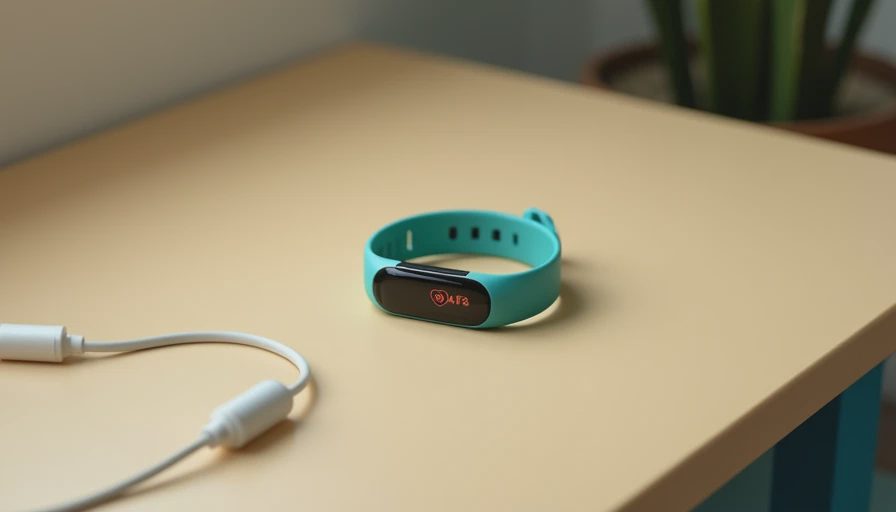
A basic band is usually the best choice for someone focused on steps, sleep, and occasional workouts. These devices are light, discreet, and often inexpensive enough to replace without much frustration if the battery eventually fades. Their smaller screens can be an advantage because they encourage you to check the app later instead of staring at metrics during every walk.
A compact tracker with built-in GPS is better for runners who want pace and distance without a phone. Garmin's entry-level Forerunner models sometimes approach or dip below this budget during sales, while Amazfit offers several low-cost options with impressive feature lists. Compare route accuracy, button controls, and app quality rather than choosing based only on the number of advertised workout modes.
A budget smartwatch makes sense if notifications, music controls, timers, and a larger display matter. The tradeoff is usually shorter battery life and more distractions. A fitness tracker under 150 should earn its space on your wrist by being comfortable enough to wear overnight and simple enough to use when you are busy.
What I check before recommending one
First, I check comfort over at least several nights. A sharp case edge, stiff strap, or bright screen can turn a promising device into a drawer resident. The sensor should sit snugly above the wrist bone without leaving numbness or deep marks. For exercise, I tighten it one notch; for sleep, I loosen it slightly.
Second, I look at the companion app. A clean seven-day and thirty-day view is more useful than a wall of colorful charts. Fitbit is generally approachable for beginners, Garmin is strong for training detail, and Amazfit often offers broad hardware features at a lower price. Subscription requirements also matter. A device can be affordable at checkout but less appealing if important historical insights sit behind a monthly fee.
Third, I test the basics: charging time, phone synchronization, notification reliability, and workout start-up. A tracker that loses a morning walk because syncing failed is not helping. I also want export options or at least clear records, especially for runners who already use services such as Strava.
A practical buying example
Imagine a busy parent who walks during lunch, lifts twice a week, and runs on Saturday mornings. They do not need advanced training load analysis or a medical-looking dashboard. A comfortable tracker with reliable step counts, heart rate during exercise, sleep timing, and GPS for weekend runs would cover the need. Spending $250 or more would mostly buy a brighter display, extra apps, and a more premium case.
Now consider a runner training for a first half marathon. Built-in GPS, physical buttons, interval workouts, and dependable battery life become more important. A fitness tracker under 150 can still work, but the buyer should prioritize workout controls over stress scores and novelty features. If the device forces frequent phone checks or loses GPS under tree cover, the savings may not feel worthwhile.
For someone focused mainly on sleep, comfort and battery life outrank a long list of sports modes. I would choose a slim band that can be worn every night. Missing two nights of data to charge a bulky watch defeats the purpose of observing sleep habits.
How to use the data without getting fooled
Give a new device at least two weeks before drawing conclusions. Wear it in the same position, keep your activity routine reasonably normal, and note unusual factors such as illness, travel, alcohol, heat, or a hard race. Those details explain many strange readings.
Use trends to ask practical questions. Did your resting heart rate stay higher after several short nights? Are you walking less since working from home? Does your easy-run heart rate rise on hot afternoons? These observations can lead to useful changes, such as an earlier bedtime, a slower pace, or a short walk between meetings.
A fitness tracker under 150 is a tool for feedback, not a judge. If a reading conflicts with how you feel, repeat the measurement and consider the context. If you have concerning symptoms, seek medical care rather than trying to diagnose yourself through an app.
The best purchase is the device you will wear consistently. Set a realistic budget, identify the two or three metrics that support your goal, and ignore the rest until you have a reason to use them. That is how an affordable tracker becomes useful long after the unboxing excitement fades.

No letters yet — pray write the first.