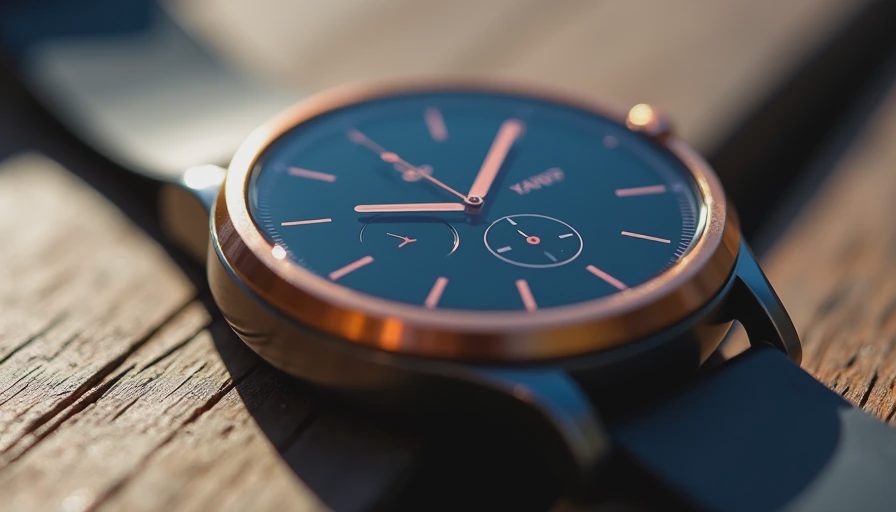
A control watch comparison is a simple way to test whether your smartwatch is helping you understand your habits or merely producing a steady stream of impressive-looking numbers. I use a $20 Casio on my other wrist when testing wearables. It does not measure heart rate, recovery, or sleep. It tells me the time, survives rain, and gives me a useful baseline for judging everything else.
That baseline matters because wearable data is not automatically meaningful. A watch can show calories to the nearest unit while missing an interval, misreading a heart-rate spike, or recording a restless night because the band shifted. After eight years and more than 30 devices, my rule remains simple: trust the trend, not the reading.
What a control watch comparison actually tests
The purpose of a control watch comparison is not to prove that a basic watch is more accurate than an Apple Watch, Garmin, Fitbit, or Samsung Galaxy Watch. A Casio cannot compete with a GPS receiver or optical sensor. Instead, it gives you a reference for practical questions: Did the battery last as advertised? Did the screen stay readable? Did the device add useful behavior, or did it just create more data to check?
I also compare the wearable against a chest strap when heart-rate accuracy matters. A Polar H10 or Garmin HRM-Pro sits closer to the electrical signal of the heart than a wrist sensor, especially during intervals, cycling, or strength training. The comparison is not a medical diagnosis. It is a way to identify obvious patterns, such as a watch taking two minutes to catch up when a runner starts a hill.
For everyday use, a control watch comparison should include at least two weeks of normal wear. One workout is not enough. Skin temperature, sleep position, sweat, watch fit, software updates, and outdoor conditions can all affect readings.
Build a fair wearable test before judging accuracy
A useful control watch comparison starts with consistent placement. Wear the smartwatch snugly above the wrist bone, especially during exercise, but not so tightly that your hand feels numb or cold. Use the same wrist for repeated tests, and record whether you were walking, running, lifting, or sitting still.
For a running test, choose a familiar route with a clear start and finish. Carry your phone as usual if the watch uses connected GPS. Compare distance, route shape, elapsed time, and heart-rate behavior rather than expecting every device to match perfectly. Tree cover, tall buildings, tight turns, and signal loss can change GPS results by a noticeable amount.
Battery testing needs the same discipline. Charge the watch fully, note settings such as always-on display and blood oxygen tracking, then use it normally. A Garmin Forerunner may run for many days because it focuses on endurance, while an Apple Watch often needs more frequent charging because of its brighter display and broader smart features. Those differences are design choices, not automatic quality failures.
Heart rate: useful signal, imperfect measurement
In a control watch comparison, heart rate deserves more attention than step count because it can guide training intensity. Still, wrist-based optical sensors have limits. They shine light into the skin and estimate blood-volume changes. Loose fit, cold fingers, tattoos, sweat, arm motion, and rapid changes in effort can confuse the sensor.
During an easy jog, I care about whether the watch follows the general rise and fall of effort. During short intervals, I care more about consistency than a perfect peak number. If a watch says my heart rate jumped from 132 to 188 beats per minute while I was tying my shoe, that is noise, not a training breakthrough.
A chest strap is the better reference for structured workouts. If your watch differs by several beats during steady running but follows the same pattern over a month, the device may still be useful. If it repeatedly loses the signal during ordinary exercise, that is a reason to choose another model or change how you wear it.
Sleep scores need context, not panic
Sleep features are where a control watch comparison can easily create anxiety. Most watches infer sleep stages from movement, heart rate, and related signals. They do not directly observe your brain activity in the way a sleep laboratory test does. A sleep score can be useful for spotting patterns, but it should not become a nightly grade for your health.
Look for repeatable changes. Did your total sleep fall after late caffeine, a stressful workweek, or an evening run? Did you feel rested even though the watch reported less deep sleep? Your daytime energy, mood, soreness, and performance are important context.
I would not buy an expensive watch solely for a promise of better sleep-stage accuracy. If you want sleep guidance, prioritize comfort, battery life, a quiet vibration alarm, and an app that shows trends clearly. A device that needs charging every night is poorly suited to overnight tracking, regardless of how polished its sleep graphs look.

Compare the features that change your behavior
The best control watch comparison asks what you will actually do differently. A runner might benefit from reliable pace alerts, interval workouts, navigation, and a battery that lasts through a long weekend. A person focused on general health may get more value from reminders to move, readable notifications, and comfortable overnight wear.
Do not pay for a flagship model just to unlock metrics you will never review. Garmin's higher-end watches offer deep training tools, while an Apple Watch is particularly strong for phone integration and quick interactions. Fitbit devices often emphasize approachable activity and sleep features. Samsung Galaxy Watch models make sense for people already invested in that phone ecosystem. The right choice depends less on brand reputation than on your routines.
A practical test is to write down three behaviors you want to improve. Examples include walking for ten minutes after lunch, completing two weekly strength sessions, or keeping a consistent bedtime. If the watch does not support those behaviors clearly, more sensors will not solve the problem.
A simple buying checklist
Use this control watch comparison checklist before spending $200 to $800 on a wearable:
- Wear it for comfort during sleep, work, exercise, and ordinary errands.
- Check whether the battery covers your real schedule, including weekends and travel.
- Compare GPS on a familiar route instead of relying on a single online review.
- Test heart rate during easy effort and hard effort, ideally with a chest strap.
- Read the privacy settings and understand which data leaves the device.
- Decide whether you need cellular service, music storage, maps, or emergency features.
- Review trends weekly rather than reacting to isolated readings.
The final step is the one people skip. Leave the app alone for several days and notice whether you naturally follow the useful prompts. If the watch increases checking without improving your sleep, movement, or training, it is not earning its place on your wrist.
My conclusion after weeks of wear
A control watch comparison is not about finding a perfect gadget. No wrist sensor is perfect, and no single number describes your fitness or health. It is about separating durable usefulness from digital decoration.
Start with the simplest device that supports your goal. Add GPS, advanced training metrics, or health features only when you can name the decision they will improve. Keep the band comfortable, check fit before judging accuracy, and compare trends across weeks instead of chasing daily fluctuations.
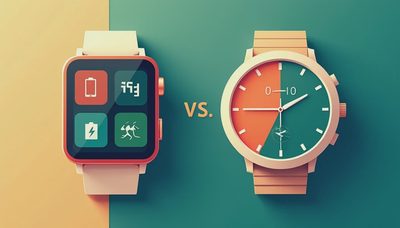
My Casio still wins on battery life, simplicity, and not interrupting dinner. My Garmin earns its place when I am coaching, running intervals, or navigating a new trail. Both are useful because I know what each one can and cannot tell me. That is the real value of a control watch comparison: clearer judgment, fewer panic checks, and a wearable that changes what you do rather than merely counting what you did.



No letters yet — pray write the first.