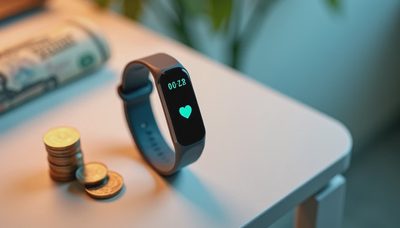
A budget fitness tracker can be a useful coaching tool without turning your wrist into a tiny stock ticker. After eight years of wearing more than 30 watches and bands, I have learned that consistent wear matters more than a premium case, a dozen sports profiles, or a screen bright enough to signal aircraft. The right inexpensive tracker should make one or two healthy behaviors easier to repeat.
That might mean seeing 7,400 steps before dinner, noticing that your sleep schedule slides on work nights, or keeping an easy run genuinely easy. It should not make you panic over a single low sleep score or chase a calorie number that is mostly an estimate. Trust the trend, not the reading.
What you should expect for the money
Most inexpensive trackers cover the basics well: steps, continuous or periodic heart-rate readings, resting heart rate, sleep duration, alarms, and simple workout timers. Some include blood oxygen estimates, stress scores, menstrual-cycle tools, or connected GPS. Those additions can be useful, but they are not equally reliable, and none should be treated as a medical diagnosis.
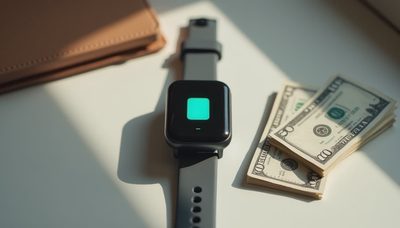
A budget fitness tracker usually costs about $25 to $100, with frequent discounts on older models. The lower end often uses a proprietary charging cable, a smaller display, and a phone-connected GPS system. Around $50 to $80, you can often find a clearer screen, seven-day battery life, water resistance for swimming, and automatic workout recognition. Spending more generally improves software, GPS hardware, materials, and support rather than transforming the underlying physiology data.
Fit is more important than the product page suggests. A loose band can miss heart-rate changes during intervals, while an overly tight band can irritate your skin and encourage you to stop wearing it. I prefer a lightweight device with a replaceable strap and a charger I can leave in a desk drawer.

The numbers that deserve your attention
Steps are blunt but practical. They are not a complete measure of fitness, yet they can reveal whether a desk-heavy day included enough movement. Use a weekly average rather than treating 10,000 as a magic finish line. If your current average is 4,000, adding 1,000 consistent steps is a more useful goal than feeling guilty about a missed target.
Heart rate is more valuable during steady exercise than during random moments. For a relaxed walk, the reading should generally move in the direction you expect as pace changes. Wrist sensors can struggle with cycling, strength training, cold skin, tattoos, and rapid intervals. Compare the trend across similar workouts; do not interpret one odd spike as proof that something is wrong.
Sleep tracking can help you notice timing and duration. It cannot reliably tell you what happened in every minute of the night, and consumer devices do not diagnose sleep disorders. If you wake exhausted for weeks, snore heavily, or have concerning symptoms, talk with a qualified clinician instead of buying a more expensive watch.
This is where a budget fitness tracker earns its place: it provides enough feedback to change bedtime, walking, or training habits without pretending to be a laboratory.
Models and features worth comparing
The Xiaomi Smart Band line is often attractive for shoppers who want a slim screen, long battery life, and a low purchase price. Fitbit Inspire models have historically focused on approachable activity and sleep summaries, though the app experience and subscription features deserve a close look before purchase. The Amazfit Band series commonly offers a broad feature list and strong battery claims at modest prices.
Garmin's entry-level vívosmart or older Forerunner discounts can make sense for runners who value training history and a more mature sports ecosystem. They may cost more than a basic band, but the added value is clearer if you already use Garmin Connect. Samsung Galaxy Fit models can be a sensible choice for some Android users who prefer integration with Samsung's health tools.
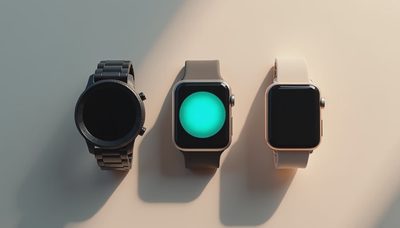
Do not choose solely by the largest feature list. Check whether the device works with your phone, whether the app requires a paid membership for useful history, and whether replacement bands are easy to find. A $45 tracker that sits in a drawer is more expensive than a $75 model worn every day.
GPS, workouts, and battery life
For runners, GPS is the feature that most often separates a basic band from a useful training companion. Connected GPS borrows location data from your phone. That is perfectly adequate for a neighborhood run if you carry the phone, and it can keep the tracker cheaper and lighter. Built-in GPS lets you leave the phone behind, but it usually raises the price and can reduce battery life during outdoor recording.
Workout heart rate is best viewed as a pacing aid. On an easy run, it can help you notice that your usual pace is producing an unusually high effort. For short intervals or precise training zones, a chest strap remains more responsive than most wrist devices. In the gym, the tracker can record duration and general effort, but it cannot know whether your final squat repetition had sound form.
Battery claims are measured under particular conditions. A budget fitness tracker advertised for 10 days may last less with frequent notifications, bright screen settings, and regular GPS use. Five to seven real days is still convenient. A device that needs charging every night is harder to wear consistently, especially if sleep data matters to you.

A simple buying process
Start by writing down the behavior you want to improve. If it is daily walking, prioritize comfort, readable step progress, and battery life. If it is sleep timing, choose a band you will tolerate overnight and an app that presents bedtime and wake-time patterns clearly. If it is outdoor running, decide whether connected GPS is enough or whether leaving your phone at home matters.
Next, check compatibility. Some devices work best inside a particular phone ecosystem, and features can be limited on iPhone or Android depending on the brand. Read recent user feedback for app problems, strap failures, charging issues, and synchronization delays rather than focusing only on launch reviews.
Finally, set a spending ceiling. A reliable budget fitness tracker in the $40 to $80 range is often enough for everyday movement and sleep awareness. Use the remaining money for shoes, a reflective vest, or a coaching plan if those purchases will change your behavior more directly. A premium smartwatch is not automatically a better health decision.
How to use the data without overreacting
Wear the device for at least two weeks before drawing conclusions. The first few days are mostly calibration and novelty. Record context in a simple note: late meal, hard workout, alcohol, illness, travel, or a stressful workday. Those details explain many changes that an algorithm cannot.
Look for repeated patterns. If your resting heart rate is higher than usual for several mornings and you also feel unwell, take recovery seriously and reduce training. If sleep duration falls whenever you scroll in bed, try charging the phone outside the bedroom. The useful action is not staring at the graph; it is testing a change and seeing whether the pattern responds.
A budget fitness tracker cannot measure motivation, running form, blood pressure, or overall health with perfect precision. It can remind you to move, show whether your routine is becoming more regular, and provide a record for a conversation with a professional. That is enough value for many people.
My practical recommendation
Buy the simplest device that supports your phone, fits comfortably, lasts several days, and records the one activity you care about. For a walker, that could be a basic band. For a runner, connected GPS may be fine if the phone comes along; built-in GPS is worth the extra cost only when it changes how you train. For better sleep habits, choose low weight, quiet notifications, and an app with understandable trends.
The best budget fitness tracker is not the one with the longest specification sheet. It is the one you still wear on a rainy Tuesday six months after buying it. Use the numbers as prompts, not verdicts, and let consistent behavior carry more weight than any single score.

No letters yet — pray write the first.