An affordable smartwatch can be genuinely useful without turning your wrist into a second phone. The right model should make everyday movement easier to understand, help you notice patterns in sleep and training, and avoid charging anxiety. After wearing dozens of watches for weeks rather than hours, I have found that an affordable smartwatch succeeds when it delivers a few dependable basics instead of promising a laboratory on your wrist.
That distinction matters. A $250 watch with a bright screen and a long feature list is not automatically better for a busy runner, parent, or gym-goer than a $70 model. You are buying a small behavior tool, not a medical device. Trust the trend, not the reading.
What an affordable smartwatch should actually do
Start with the daily essentials: time, notifications, step tracking, heart rate, workouts, sleep estimates, and enough battery life to avoid removing the watch every night. An affordable smartwatch should also be comfortable. A technically impressive device that leaves a red mark under the sensor or feels bulky while sleeping will spend most of its life in a drawer.
For most people, a color display, simple phone notifications, an alarm, and automatic activity recognition cover the useful territory. Built-in GPS is valuable if you walk, hike, or run outdoors and want distance without carrying your phone. If you always bring your phone, connected GPS can reduce the price while still recording a route.
Water resistance is another practical checkpoint. Look for a watch rated for swimming if you plan to wear it in a pool, but remember that water resistance is not a permanent guarantee. Shower heat, soap, impacts, and aging seals can all affect it. A basic affordable smartwatch with a sensible five- to seven-day battery can be more satisfying than a feature-heavy model that needs a nightly charge.
Where an affordable smartwatch earns its keep
The best reason to buy one is feedback that changes a decision. A watch that reminds you to take a short walk after a long morning at a desk is doing useful work. A watch that produces twelve colorful scores you never look at is mostly decorating your wrist.
Heart-rate tracking is generally most helpful during steady exercise, where you can compare an easy run with a harder one over time. Wrist sensors are less reliable during strength training, cold weather, loose fit, and rapid changes of effort. They can also lag when you sprint uphill. That does not make the sensor worthless; it means you should compare patterns rather than treat every number as exact.
Sleep tracking deserves the same calm treatment. Most consumer watches estimate sleep from movement and heart-rate signals. They can help you notice that late caffeine, a hot room, or a short bedtime is affecting your routine. They cannot tell you with certainty why you woke up or diagnose a sleep disorder. If you snore heavily, stop breathing during sleep, or feel dangerously sleepy during the day, discuss those symptoms with a qualified clinician instead of relying on an app score.
Which features are worth paying for?
An affordable smartwatch becomes a better purchase when you match features to your actual week. For a beginner runner, reliable GPS, lap alerts, and a readable screen can matter more than onboard music. For a walker, accurate-enough distance, reminders, and a lightweight case may be sufficient. For someone focused on sleep, battery life and comfort should come before animated workout graphics.
Brands such as Amazfit, Fitbit, Garmin, Samsung, and Xiaomi cover different parts of the budget market. Fitbit often emphasizes approachable health and activity tracking. Garmin tends to prioritize training tools and battery life, even in less expensive models. Samsung watches integrate closely with Android phones and offer a polished app experience, while Amazfit frequently competes with large screens and long battery claims at lower prices. Apple Watch SE is not the cheapest option, but it can make sense for an iPhone owner who wants dependable notifications and strong app integration without buying the top model.
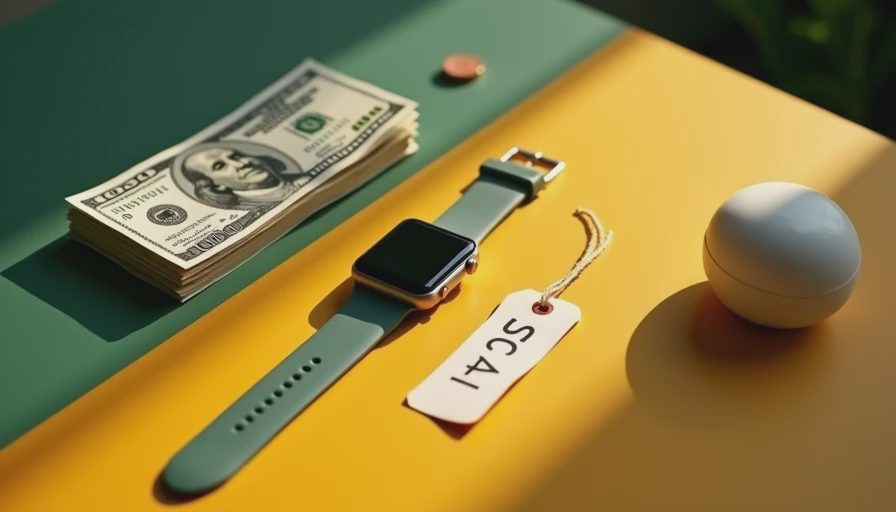
Prices move with sales, but a useful entry-level watch commonly falls around $50 to $150. Spending $180 to $250 can bring better screens, GPS, stronger materials, or deeper training features. Do not pay more simply because a product lists blood oxygen, readiness, or recovery scores. These tools can be interesting, but the extra decimal places do not automatically make the advice better.
An affordable smartwatch test I use after the unboxing
I wear a new device for at least two weeks before deciding whether it belongs in my rotation. The first test is battery reality. I record how long it lasts with notifications, several workouts, and sleep tracking enabled. A claimed ten-day battery that delivers four days under normal use is a meaningful difference, especially if charging causes missed nights.
Next, I compare the watch with simple observations. Does the step count rise when I walk, or does it inflate during household chores? Does GPS settle within a reasonable time in a familiar neighborhood? Does the heart-rate graph show a believable rise during a steady hill? I am not looking for perfect agreement with a chest strap or measured distance. I am looking for consistent behavior that supports sensible decisions.
Comfort gets a full week because first impressions are misleading. A stiff band may feel fine for an hour but irritate the skin overnight. A bright screen may look excellent indoors and disappear in direct sun. Check whether the buttons are easy to use with sweaty hands and whether notifications can be silenced without digging through menus.
How to avoid the common buying mistakes
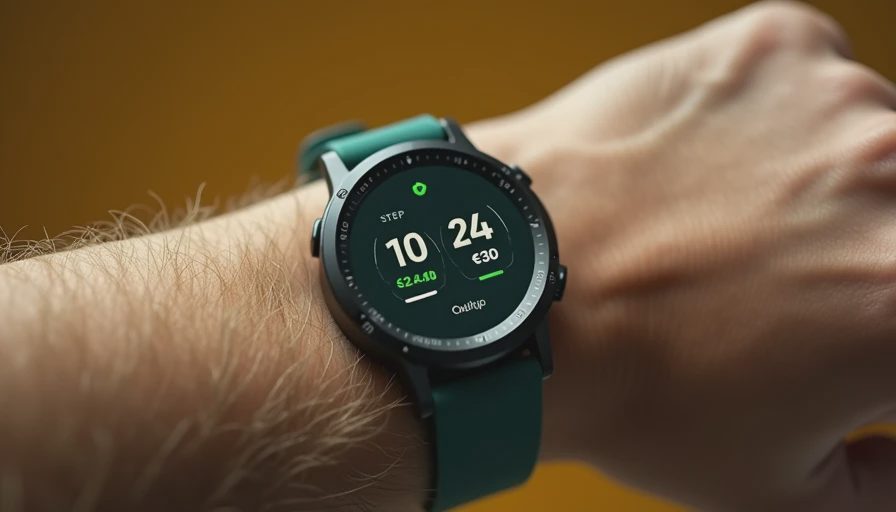
The most common mistake is shopping from the feature list instead of the routine. If you do not run, advanced running metrics will not improve your health. If you do not use voice assistants, a microphone is not a reason to spend extra. If you charge devices inconsistently, battery life is probably more important than a thinner case.
The second mistake is assuming a smartwatch replaces medical equipment. A consumer watch can flag an unusual pattern or encourage a conversation with a clinician, but its readings are not a diagnosis. Do not change medication, ignore chest symptoms, or panic over a single irregular graph because an app displayed a warning. Repeat the observation, consider context, and seek appropriate care when symptoms are present.
Also check phone compatibility before ordering. Some watches work best, or only work, within a particular phone ecosystem. Review subscription requirements as well. A low purchase price can become less attractive if useful historical reports, coaching plans, or readiness features require a monthly fee of roughly $5 to $15.
Is an affordable smartwatch right for you?
An affordable smartwatch is a good fit if you want gentle reminders, basic workout records, sleep trends, and quick notifications without spending flagship money. It is especially useful for someone building a walking habit or returning to exercise after a long break. The device gives your day a little structure, but you still supply the judgment.
It is less compelling if you hate wearing anything overnight, already use a dedicated Garmin or cycling computer, or expect clinical-grade measurements. In those cases, a simple digital watch, chest strap, or dedicated training device may serve you better. The goal is not to collect the most data. It is to make one or two better choices repeatedly.
My practical buying rule is simple: choose the affordable smartwatch with the battery, fit, phone compatibility, and core tracking you will use every week. Ignore the shiny extras until those basics are covered. Give it two weeks, inspect the trends, and keep only the metrics that lead to action. A watch earns its place when it helps you walk after lunch, sleep a little more consistently, or pace a run sensibly. Everything else is just information waiting for a purpose.



No letters yet — pray write the first.