The best wearable is not always the most expensive one. A good enough fitness tracker should give you dependable information about movement, sleep, and heart rate without turning your wrist into a second job. After eight years wearing more than 30 devices, I have found that most people need fewer features than the product pages suggest. They need a comfortable device that lasts several days, records workouts consistently, and helps them make one or two better decisions.
That does not mean buying the cheapest tracker blindly. It means separating useful measurements from impressive-looking extras. I spent several weeks comparing budget bands and entry-level watches against pricier Garmin, Apple, Fitbit, and Amazfit models. The inexpensive options were not perfect, but some were remarkably practical.
What makes a good enough fitness tracker?
A good enough fitness tracker gets the basics right. Step counting should be reasonably consistent across normal walking, though no wrist device can identify every movement perfectly. Resting heart rate should settle into a believable range when measured during sleep or quiet periods. Workout heart rate should respond to changes in effort rather than jumping wildly because the band shifted on your wrist.
Comfort matters just as much. If the strap irritates your skin, the charger is annoying, or the screen lights up during meetings, you will stop wearing it. A $40 tracker sitting in a drawer records nothing. A $100 model that you wear every day can produce a much more useful record, even if it lacks animated maps and a dozen training scores.
Look for at least five days of realistic battery life, automatic activity detection, a readable screen, water resistance suitable for swimming or showers, and an app that explains trends plainly. A good enough fitness tracker should also let you export or review your data without burying the useful information under badges and prompts to upgrade.
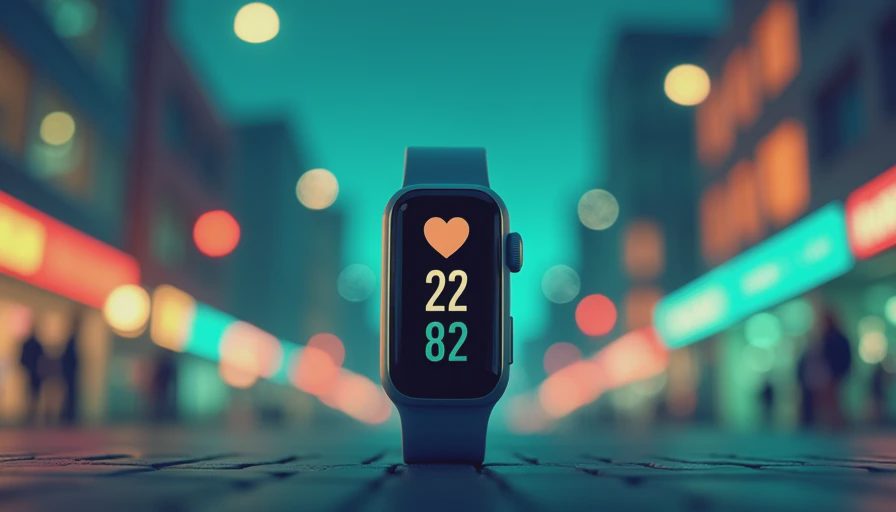
Which metrics deserve your attention?
The most valuable metric is often the least exciting: consistency. Daily steps can help someone notice that a desk-bound week has become unusually sedentary. Weekly walking time can show whether a new routine is actually happening. Neither number needs laboratory precision to support a practical decision, such as taking a 20-minute walk after lunch.
Heart rate is useful when you view it in context. During exercise, a tracker can show whether an easy run is staying easy or whether heat, hills, poor sleep, or stress are pushing the effort higher. Overnight resting heart rate can also provide a personal trend. One unusual reading is not a diagnosis. It is one unusual reading. Trust the trend, not the reading.
Sleep tracking is best used as a broad diary rather than a medical instrument. Bedtime, wake time, and total time in bed can reveal a pattern. The exact split between light, deep, and rapid-eye-movement sleep is much less certain from a wrist sensor. If a device says you had 42 minutes of deep sleep, do not let that number determine how you feel about the night.
Calories are the metric I treat most cautiously. Wrist estimates can be useful for comparing similar workouts, but they are not a permission slip to eat or a score for your character. A good enough fitness tracker should support your behavior, not create anxiety around food.
Budget bands versus entry-level watches
A basic band such as the Fitbit Inspire line or Xiaomi Smart Band family typically focuses on steps, heart rate, sleep, notifications, and battery life. These are sensible choices for someone who wants a small device and does not need onboard maps. Their screens and workout controls can feel limited, but the simplicity is part of the appeal.
Entry-level watches from Amazfit, Garmin, or Fitbit usually add a larger display, more exercise profiles, better controls, and sometimes built-in GPS. Garmin's Forerunner 55, for example, is aimed at runners who want structured training without flagship pricing. Amazfit models often offer long battery life and broad feature lists. Fitbit devices tend to make everyday health summaries approachable, especially for users already comfortable with the Fitbit app.
An Apple Watch SE makes more sense for an iPhone owner who wants notifications, safety features, and a smartwatch first, with fitness included. It is not the strongest choice if charging every day will bother you. A Garmin is often better for a runner who values battery life and physical buttons. The good enough fitness tracker depends less on the logo than on your phone, charging habits, and main activity.

GPS, accuracy, and the details that matter
Built-in GPS is useful for runners, cyclists, and hikers who want distance without carrying a phone. It is not essential for gym sessions, walking around town, or general activity tracking. Many affordable trackers use connected GPS, which means the phone supplies location data. That can be perfectly adequate if your phone is already in a pocket or running belt.
Optical heart-rate sensors work best when the device is snug, positioned a little above the wrist bone, and worn consistently. Cold weather, loose bands, sweat, tattoos, and rapid changes in intensity can affect readings. Chest straps generally respond faster during intervals, but most casual exercisers do not need one for every walk or strength session.
For sleep, wearability beats theoretical sensor sophistication. The tracker must be comfortable enough to leave on overnight. A device with a slightly less detailed sleep report can be more useful than a premium watch that you remove because it feels bulky. Check replacement strap prices too; a cheap watch with a proprietary $35 band can become expensive over time.
A simple buying test before you spend
Start with your routine, not a feature list. Write down the three activities you perform most often. If they are walking, gym workouts, and sleep tracking, GPS and advanced running analytics should not dominate your decision. If you train for a half marathon, battery life, workout screens, GPS reliability, and interval support deserve more weight.
Next, decide how often you are willing to charge. Daily charging is manageable for some Apple Watch owners but frustrating for others. A five-to-seven-day device can reduce gaps in sleep and activity records. Then check phone compatibility, subscription requirements, return policies, and whether the app provides the historical view you want.
Finally, set a useful budget. Around $40 to $80 can cover a capable band, while roughly $100 to $250 opens the door to better screens, GPS, training tools, and build quality. You do not need to spend $500 to learn whether walking after dinner improves your routine. The good enough fitness tracker is the one whose advantages you will use repeatedly.
When upgrading is actually worthwhile
Spend more when a specific limitation is stopping you. A runner may benefit from accurate GPS, breadcrumb navigation, physical buttons, and a battery that survives a long weekend. Someone training in a pool may need reliable lap counting and water-friendly controls. A person who wants to leave a phone at home may value cellular connectivity, but that feature brings extra cost and usually a monthly plan.
Premium recovery scores, readiness labels, and advanced body measurements are not automatically better coaching. They can be interesting, but they should not replace how you feel, how you are sleeping, or whether your training load is sensible. If the device makes you panic over ordinary variation, it is failing the practical test.
My recommendation is straightforward: buy the good enough fitness tracker that removes friction from the habit you are trying to build. Wear it for three weeks before judging the data. Look for repeated patterns, not dramatic single readings. Then use one observation to change one behavior, such as adding two short walks or moving an easy run to a better-rested day. That is where a wearable earns its place.

No letters yet — pray write the first.