A useful fitness tracker comparison should answer a practical question: will this device help you move, recover, or sleep better without adding another source of noise? I have worn more than 30 trackers and smartwatches over eight years, often for several weeks at a time. The pattern is clear. The best tracker is rarely the one with the longest feature list. It is the one you will wear consistently and understand well enough to act on.
I approach every fitness tracker comparison as an exercise physiologist and running coach, not a collector of glowing screens. Heart rate, sleep stages, recovery scores, and calorie estimates all have limits. A wrist device can show useful trends, but it cannot explain every sensation in your body. Trust the trend, not the reading.
Start with the job you need the tracker to do
Before comparing brands, name the job. A casual walker who wants daily steps has a different need from a marathon runner who wants dependable GPS and structured workouts. Someone trying to sleep better may care more about comfort and battery life than advanced training metrics.
For general activity, the Fitbit Charge 6 and Garmin vívosmart 5 are sensible starting points. They are compact, relatively simple, and less distracting than a full smartwatch. The Apple Watch SE is a stronger choice for an iPhone owner who wants notifications, safety tools, workouts, and a broad app ecosystem. Android users often get more practical value from a Samsung Galaxy Watch or a Garmin model, depending on whether training or smart features come first.
This is why a fitness tracker comparison should begin with your routine rather than a specification sheet. If you run outside three times a week, check GPS behavior, button controls, workout screens, and battery life with GPS active. If you lift weights, a comfortable band and reliable interval timer may matter more than an impressive recovery score.

How accurate are the numbers?
Wrist heart-rate sensors are generally useful during steady walking, easy running, and other rhythmic exercise. They can struggle with cycling over rough roads, cold hands, loose bands, tattoos, strength training, and rapid changes in effort. A chest strap remains the better reference for serious interval work because it measures electrical signals closer to the heart rather than estimating pulse from reflected light.
Sleep tracking is useful in a different way. The device can usually identify when you went to bed, when you got up, and whether your schedule is consistent. Sleep-stage labels are less dependable. If a watch says you had 42 minutes of deep sleep, that is not a clinical measurement. It is an estimate produced from movement and heart-rate patterns. Use it to notice a week of unusually poor sleep, not to panic about one night.
Calories deserve even less emotional weight. Energy expenditure estimates can be off by a meaningful amount, especially during strength training or activities with irregular movement. In my fitness tracker comparison testing, I pay attention to whether the device supports a consistent behavior, such as walking after dinner or keeping a regular bedtime. I do not treat a daily calorie number as a verdict on a person's effort.
Apple, Garmin, Fitbit, and Samsung in real life
Apple Watch remains the most polished all-around option for iPhone owners. Its workout interface is easy to understand, the heart-rate experience is strong for everyday exercise, and the watch handles calls, payments, music, and safety features well. The tradeoff is battery life. Depending on the model and use, many owners charge it daily or every other day, which can interrupt overnight tracking.
Garmin is usually the better fit for runners, cyclists, and people who want several days of battery life. Models such as the Forerunner 165, Forerunner 265, and Venu 3 cover different priorities. Garmin's training tools are deeper, but that depth can feel excessive if your main goal is 7,000 steps and a more regular bedtime. The brand's higher-priced watches are not automatically better for a beginner.
Fitbit keeps the experience approachable. The Charge line is small, comfortable, and easy to recommend for everyday activity and sleep routines. Some advanced features sit behind Fitbit Premium, so include the subscription cost when you compare long-term value. Samsung Galaxy Watch models offer a more complete smartwatch experience for many Android users, though their battery and fitness strengths vary by model.
A good fitness tracker comparison does not crown one universal winner. It identifies which compromises will bother you least after the novelty wears off.
Comfort and battery life beat impressive menus
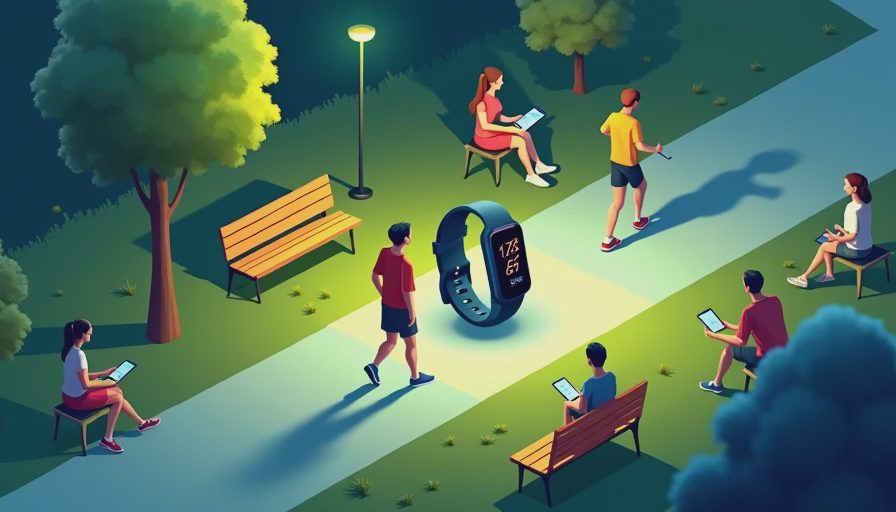
The tracker that stays in a drawer has zero health value. Pay attention to weight, band material, screen brightness, charging time, and whether the device catches on clothing. A watch that feels fine for an hour in a store can become irritating during sleep or a humid summer run.
Battery life changes how much data you actually collect. A device rated for five to seven days gives you a better chance of capturing a normal workweek, a long run, and several nights of sleep. A watch that needs charging every night may still be excellent, but you should build charging into a routine, such as shower time or desk work. Check how much battery disappears during GPS workouts; advertised battery numbers usually assume lighter use than real life.
In this fitness tracker comparison, I would take a comfortable device with dependable five-day battery life over a feature-heavy watch that requires constant charging. You cannot interpret a trend from missing data.
The metrics worth watching
Step count is a useful prompt to move, not a medical target. Resting heart rate can be informative when measured under similar conditions, particularly if you watch a gradual change alongside symptoms, stress, illness, or altered training. Heart-rate variability is more sensitive to sleep, alcohol, stress, and measurement timing than many dashboards suggest. One low reading does not mean your body is failing.
For runners, pace, distance, heart rate, elevation, and workout consistency usually matter more than a dozen proprietary scores. A training readiness number can be a helpful suggestion, but it should not overrule obvious fatigue, pain, fever, or a bad night's sleep. During cardiac rehab, I saw how quickly people could become anxious about a number detached from how they felt. Wearables should support awareness, not create surveillance.
If a reading concerns you, repeat the measurement under consistent conditions and consider the broader pattern. Seek medical advice for symptoms such as chest pain, fainting, severe shortness of breath, or sustained palpitations rather than trying to diagnose yourself from a wrist screen.
A simple buying process
First, choose your phone ecosystem. Apple Watch is designed for iPhone, while Garmin and Fitbit work across major platforms with different app experiences. Next, decide whether you need smartwatch functions. If you rarely answer calls or read messages from your wrist, a slimmer tracker could save money and reduce distractions.
Then set a realistic budget. Useful devices commonly range from roughly $80 to $450, with premium models adding materials, sensors, maps, or training tools rather than guaranteed better health decisions. Include replacement bands and any subscription in the calculation. Finally, check return policies and wear the device overnight before judging comfort.
The strongest fitness tracker comparison is the one that leaves you with a clear choice, not another hour of research. Buy the simplest device that records the information you will use, wear it consistently, and review weekly trends instead of chasing perfect readings. If your goal is more walking, better sleep, or steadier training, that disciplined habit will outperform a flagship watch sitting in its box.

No letters yet — pray write the first.