The Amazfit T-Rex 3 is built for the person who would rather leave a watch on during a muddy trail run than polish it for a boardroom. I spent several weeks wearing it through easy miles, strength sessions, sleep, errands, and wet Oregon hikes. My conclusion is straightforward: it is a capable outdoor smartwatch with excellent battery life, a bright display, and more training data than most people need. That last point matters. The Amazfit T-Rex 3 can help you train consistently, but it cannot decide whether a hard workout is wise today.
The case, screen, and comfort
The first thing you notice is the size. This is not a discreet little tracker. The case is broad, the bezel is pronounced, and the physical buttons are large enough to operate with cold or gloved fingers. That is useful on a trail, but the watch can feel bulky if you sleep with your wrist bent or wear slim shirt cuffs. I had no trouble with comfort during runs, hikes, and lifting, though I occasionally caught the bezel on a jacket sleeve.
The AMOLED display is the star of the hardware. Colors are strong, text is sharp, and brightness is sufficient for sunny outdoor use. I prefer physical buttons during workouts because sweaty fingers and touchscreens are a poor combination, and the T-Rex 3 gives you both options. Menus are not as immediately familiar as those on an Apple Watch, but a few days with the interface made the important controls easy to reach.
A rugged rating and water resistance make the watch suitable for swimming and ordinary outdoor exposure, but no wearable is indestructible. Salt, sunscreen, and sweat still deserve a rinse. The included strap is flexible enough for daily wear, although people with smaller wrists should try the fit before buying.
Battery life and GPS performance
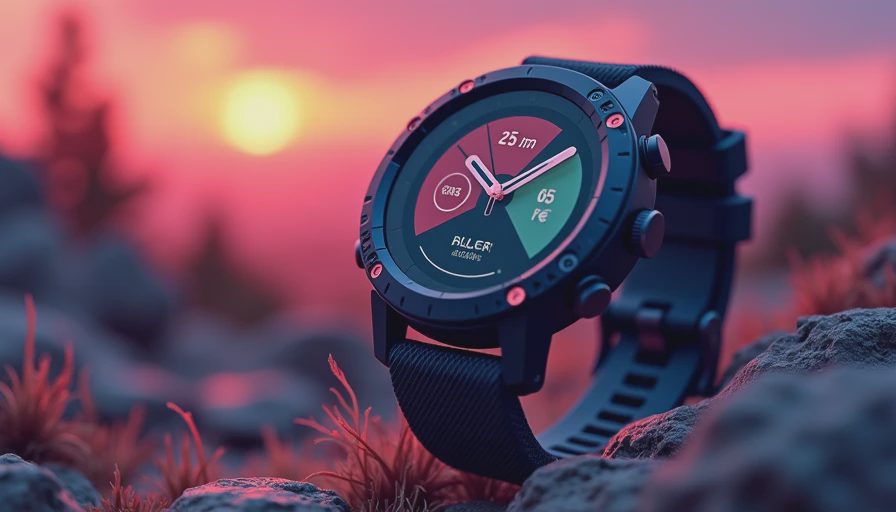
Battery life is where the Amazfit T-Rex 3 separates itself from many mainstream smartwatches. With notifications, sleep tracking, and regular workouts enabled, I could go for many days without thinking about the charger. Frequent GPS activities and an always-on display shorten that result, as they do on every watch, but the practical advantage remains: you can leave for a weekend trip without packing a charging puck.
GPS tracks were generally dependable for ordinary runs and neighborhood routes. On tree-covered paths and tight turns, the line was not perfectly clean every time. That is normal for wrist-based GPS, and it is not a reason to reject this watch. If you need the most precise pace on a marathon course or regularly run in deep urban canyons, a higher-end Garmin might give you more confidence. For coaching everyday runners, I care more about whether the watch identifies a six-mile run as roughly six miles and records a useful pace pattern. This one does.
The Amazfit T-Rex 3 also supports navigation features that are useful when you are exploring rather than racing. A route on your wrist can reduce phone checking, but I would still carry a phone, water, and a basic plan on unfamiliar terrain. A watch is a navigation aid, not a wilderness safety system.
Training data without the panic
The watch records heart rate, pace, distance, elevation, sleep, workouts, and recovery-oriented information through the Zepp app. That is a lot of data for a watch in this price range. The trick is deciding which numbers deserve attention.
Heart rate is useful for seeing effort trends, especially when paired with breathing, pace, and how your legs feel. It is not a diagnostic test. Wrist sensors can struggle with cold skin, loose straps, rapid intervals, tattoos, and strength exercises. I treat a sudden odd spike as a prompt to check the fit, not as an emergency message from my body.
The Amazfit T-Rex 3 presents training suggestions and readiness-style scores, but I would not let a single score cancel a planned easy run. Sleep loss, stress, alcohol, a late meal, and an unusually hard workout can all affect readings. Trust the trend, not the reading. If your resting heart rate is repeatedly higher than usual and you also feel unwell, rest and use common sense rather than chasing a perfect dashboard.
Sleep tracking and everyday use
Sleep tracking is most useful when it helps you change a habit. The Amazfit T-Rex 3 can show bedtime, wake time, stages, and overnight heart-rate patterns in the app. I would not treat the stage breakdown as laboratory truth. No consumer watch can reliably tell you exactly how much deep sleep you received from a wrist sensor alone. Instead, use it to notice repeatable patterns: later bedtime, shorter total sleep, more awakenings, or a weekend schedule that leaves you dragging on Monday.
For daily wear, notifications are readable without becoming overwhelming. You can choose which apps are allowed to interrupt you, and that is important. A watch that buzzes for every email is not helping recovery. Music controls, weather, alarms, timers, and workout shortcuts cover the practical basics. The software is less rich than watchOS or Wear OS, so people who want a deep app ecosystem should look elsewhere.
The Zepp app has plenty of charts, but new users may need time to learn where settings live. I recommend spending 15 minutes disabling noisy alerts, setting sensible heart-rate notifications, and customizing the workout screen before your first serious session.
How it compares with Garmin and Apple Watch
The Amazfit T-Rex 3 makes the strongest case against a Garmin when battery life, rugged design, and purchase price matter more than advanced training analysis. Garmin generally offers a deeper ecosystem for structured training, race planning, and long-term performance insights. A Garmin Forerunner can be a better choice for a dedicated runner who wants detailed workouts and mature coaching tools.
An Apple Watch is usually the smoother choice for an iPhone owner who values calls, apps, payments, and tight phone integration. It is also more likely to need frequent charging. The Amazfit T-Rex 3 feels more like an outdoor instrument than a miniature phone, which is exactly why some people will prefer it.
The decision becomes simple when you name your priority. Choose battery and toughness for hiking, travel, gym sessions, and general fitness. Choose Garmin for serious training depth. Choose Apple Watch for everyday smart features. Do not buy the biggest feature list just because it exists.
Who should buy the Amazfit T-Rex 3?
The Amazfit T-Rex 3 is a strong fit for runners who want reliable basics, hikers who value long battery life, and busy adults who want sleep and activity trends without charging every night. It is also appealing if you like buttons, a large display, and a watch that does not feel fragile.
I would hesitate if you have a small wrist, need polished phone features, depend on highly detailed race coaching, or want medical-grade health monitoring. This is a fitness wearable, not a medical device, and its readings should support sensible decisions rather than create anxiety.
After several weeks, my recommendation is favorable but specific: buy the Amazfit T-Rex 3 for durable everyday training and long battery life, not because every score on the screen is meaningful. Set it up, wear it consistently, and look for patterns over time. The best wearable is still the one that helps you run, sleep, and recover with a little more consistency.




No letters yet — pray write the first.