If you are comparing Garmin watches, searching for dc rainmaker garmin is usually a sign that you want more than a glossy launch video. You want to know whether the GPS is trustworthy, whether sleep data is useful, and whether a $600 watch actually earns its price. That is exactly where detailed, long-term testing helps. I have spent years wearing fitness watches while coaching runners, and my best advice is simple: use expert reviews to understand a watch, then decide whether its features fit your actual week.
Why DC Rainmaker Garmin coverage is useful
DC Rainmaker built a strong reputation by testing products beyond the first afternoon. That matters with Garmin because many differences appear only after repeated workouts, charging cycles, software updates, and ordinary use. A watch can look impressive on a desk while becoming irritating when its buttons are hard to press during intervals or its charging routine clashes with sleep tracking.
When I read dc rainmaker garmin coverage, I look first for the testing context. Was the watch used on open roads, under trees, near tall buildings, or on a track? Was a heart-rate comparison made during an easy run, a hard interval session, or both? Those details tell you more than a dramatic claim that one device is “the most accurate.” GPS performance changes with terrain, satellite conditions, wrist movement, and how the watch is worn.
The same logic applies to battery life. A quoted battery estimate is a starting point, not a promise for every user. Notifications, music, navigation, pulse oximeter readings, screen settings, and frequent GPS activity all change the result. A runner who records five hours of activity each week needs a different battery profile from someone training for an ultramarathon.
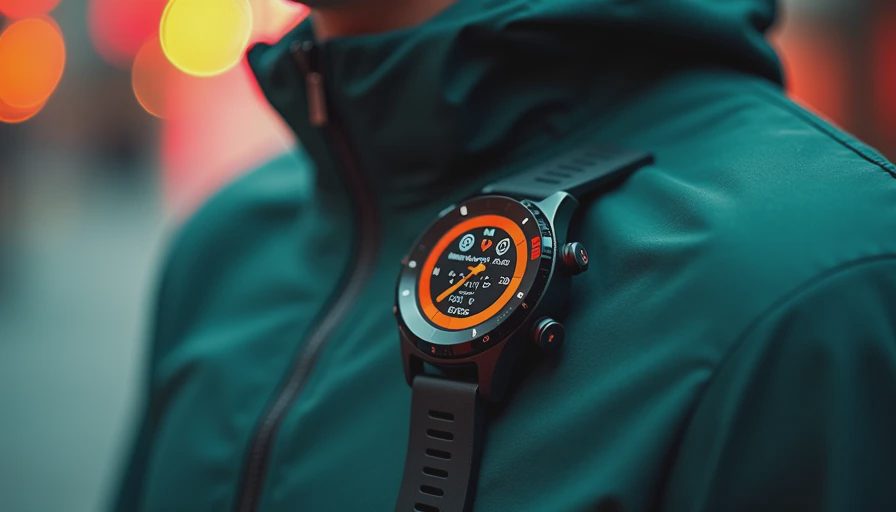
How to use a DC Rainmaker Garmin review
Start with the comparison section, but do not stop at the feature list. Ask what each feature changes in your routine. Training readiness, recovery time, maps, morning reports, ECG functions on supported models, and advanced running metrics can sound valuable. The practical question is whether you will act on the information.
For example, a runner preparing for a first half marathon may gain more from reliable pace alerts, structured workouts, and comfortable sleep wear than from a deep collection of physiological charts. A trail runner may reasonably prioritize maps, navigation, elevation data, and a durable case. Someone focused on general health might prefer a slimmer Venu model over a bulky Forerunner or fēnix.
The most useful dc rainmaker garmin analysis separates hardware from software. Garmin Connect can add considerable value because workouts, trends, training plans, and health summaries live there rather than only on the watch. At the same time, an impressive software ecosystem does not make every metric equally meaningful. Heart rate during steady exercise is generally easier to interpret than a single overnight recovery score. Trust the trend, not the reading.
GPS and heart-rate accuracy in plain English
GPS watches estimate position by receiving signals from satellites. On a straight road with a clear sky, many modern Garmin devices perform well. Errors become more obvious around apartment buildings, dense forest, sharp switchbacks, or when the watch loses signal and smooths the route afterward. A review showing a route map beside another device is helpful, but it is not a medical-grade verdict on every run.
Wrist-based optical heart-rate sensors shine when the watch is snug and the effort is steady. They can lag during quick intervals, misread cadence as pulse, or struggle in cold weather when blood flow near the skin is reduced. A chest strap remains the better tool for precise interval work. DC rainmaker garmin testing often helps readers see these limitations instead of assuming the watch is broken.
In my own coaching, I care less about whether a watch missed one beat at minute 18 and more about whether it consistently shows the shape of a workout. Did heart rate rise gradually on an easy climb? Did it settle after a recovery interval? Those patterns can guide training. A single strange spike should prompt curiosity, not panic.
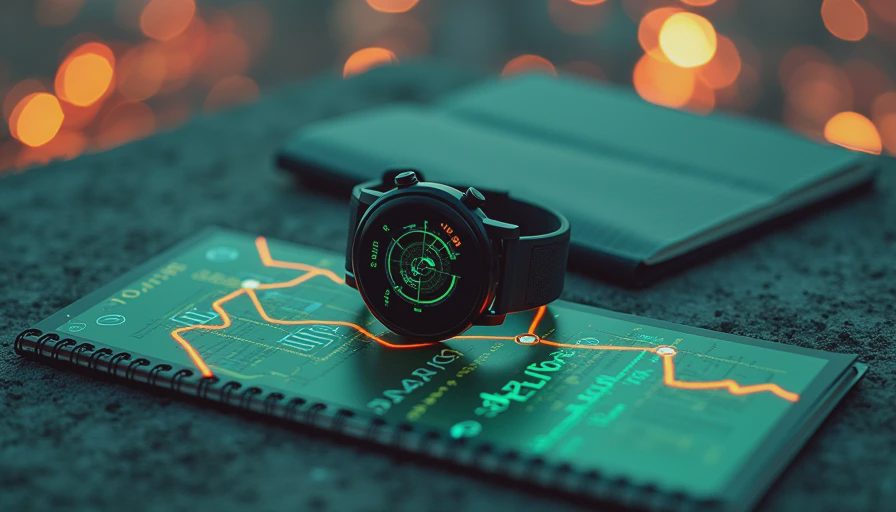
Choosing between Garmin models
A useful dc rainmaker garmin comparison should help you avoid buying the flagship by reflex. The Forerunner 165 is aimed at runners who want a focused training watch with a lower price and a relatively light feel. The Forerunner 265 adds a richer training experience and an AMOLED display, making it attractive to runners who care about workout guidance and screen quality. The Forerunner 965 goes further with maps, a larger display, and a broader feature set for serious training and long-distance use.
The Venu line is often a better fit for people who want fitness and health features in a more everyday-looking watch. The fēnix and epix families make more sense for users who actually need outdoor navigation, rugged construction, or extensive activity profiles. Garmin Instinct models appeal to people who value toughness and long battery life over a polished smartwatch experience.
Price gaps can be substantial. Depending on the model, size, display, and sale timing, moving from a basic running watch to a premium outdoor model can add several hundred dollars. That money is worthwhile only if maps, materials, battery capacity, or training tools solve a problem you regularly have. Otherwise, the less expensive watch may deliver the same useful fundamentals: pace, distance, heart rate, workouts, and recovery context.
Metrics worth watching, and metrics to ignore
The best dc rainmaker garmin guidance puts numbers in context. Resting heart rate can be useful when measured under similar conditions over many days. Sleep duration is worth reviewing if it helps you protect bedtime. Training load can show whether your recent exercise has been unusually demanding, especially when paired with how your legs feel and how well you are sleeping.
No watch can diagnose illness from a dashboard. A low Body Battery score does not prove that something is medically wrong, just as a high score does not guarantee you are ready for a maximal workout. Stress estimates are often based on heart-rate variability during quiet periods, and movement, caffeine, illness, and poor sensor contact can affect them.
Use the information to make small decisions. If your sleep has been short for three nights and easy runs feel unusually hard, reduce intensity or go to bed earlier. If a readiness score looks poor but you feel normal and your performance is stable, do not surrender your judgment to the screen. The device is a feedback tool, not the coach.
A practical buying checklist
Before purchasing, open a dc rainmaker garmin review and write down the features you genuinely expect to use. Decide whether you need maps or only breadcrumb navigation. Consider AMOLED versus memory-in-pixel displays, especially if you run outdoors in bright sun. Check whether the case size will fit comfortably overnight, because a watch left on the dresser cannot collect sleep data.
Next, estimate your charging tolerance. If you hate charging every few days, prioritize battery life over a brighter screen. If you listen to music without a phone, confirm that the model supports the services you use. If you train with power, cycling sensors, or a chest strap, verify compatibility before ordering.
Finally, compare the total ownership experience. Garmin watches generally do not require a subscription for core activity tracking, but optional services, replacement bands, screen protectors, and accessories still affect cost. Read current software comments and look for patterns rather than one angry post. A careful DC Rainmaker Garmin review can narrow the field, but your habits should make the final decision.
My bottom line
Searches for dc rainmaker garmin are valuable because they lead to testing that asks how a watch behaves after the unboxing excitement fades. Use that work to compare accuracy, comfort, battery life, software, and the features you will actually use. Do not buy a flagship simply because it has the longest specification sheet.
For most everyday runners, a midrange Forerunner is enough. For outdoor navigation, a fēnix, epix, or comparable model can justify its size and cost. For general wellness, a Venu may be the calmer choice. Pick the device that will stay on your wrist, help you make better training decisions, and fade into the background when you do not need it. That is the real measure of a good wearable.


No letters yet — pray write the first.