If you searched for adidas fit smart l, you are probably trying to identify an adidas fitness wearable, confirm a size, or find a replacement for an older tracker. The wording is not especially clear, and that matters because adidas has used similar product language across different fitness partnerships and devices. Before spending money, treat the phrase as a starting point rather than proof that you have found a current, fully supported smartwatch.
I approach searches like adidas fit smart l the same way I approach a mysterious heart-rate reading: slow down, identify the device, and then decide whether the number or product deserves your attention. A clean listing should show a model name, clear photos, compatible phone software, charging method, and return terms. If it only shows a vague title with stock photographs, I would keep looking.
Start by identifying the exact adidas device
The letter L could refer to a size, a bundle label, a seller’s internal code, or a truncated product title. It does not automatically tell you that the tracker is a large size. Look for a model number printed on the back, inside the packaging, or in the companion app. The box may also identify the original manufacturer, which is useful because adidas-branded fitness products have not all used the same software or support system.
Check the listing for practical details. Does it include a proprietary charger? Is the battery tested? Does it pair with iPhone, Android, or both? Does the seller explain whether notifications still work? A used wearable can look perfect while having a battery that lasts only a day. That is a poor bargain if the asking price is $45 and a newer basic tracker from Amazfit, Xiaomi, Fitbit, or Garmin costs roughly $50 to $150 with active support.
Do not rely on a product photograph alone. Compare the buttons, screen shape, charging contacts, strap connection, and back sensor layout with the listing. If those details do not match, the item may be a different adidas model or an unrelated fitness watch using a convenient keyword.

What the tracker can and cannot tell you
People often buy a wearable for steps, sleep, heart rate, or running pace. Those features can be useful, but each has limits. Step counting is generally helpful for noticing whether you moved more this week than last week. It is not a precise measure of health, and a busy day of arm movement can inflate the total.
Heart-rate readings are most useful during steady exercise, when the sensor has good skin contact and your wrist is not bouncing around. During intervals, strength training, cold weather, or a loose fit, wrist sensors can lag or lose contact. A chest strap is usually the better tool when exact workout intensity matters. For general walking and easy running, a wrist reading can still show a reasonable trend.
Sleep scores deserve the most skepticism. A device estimates sleep from movement and physiological signals; it does not directly observe every sleep stage. One low score after a late meal or restless night is not a diagnosis. I would use the data to notice repeated patterns, then compare it with how alert you feel in the morning. Trust the trend, not the reading.
That principle is particularly important when evaluating adidas fit smart l. If the product delivers only a colorful score without a reliable app, export option, or understandable history, the novelty can wear off quickly. The most useful tracker is the one that changes a small decision, such as taking a walk after a sedentary workday or moving an easy run when recovery looks poor.
Battery, comfort, and daily wear
A wearable can have impressive specifications and still fail because you stop wearing it. Examine the strap material and clasp before buying. A soft silicone band is practical for running and showers, while a stiff or narrow strap can cause pressure marks during sleep. Some people also find that a raised sensor housing becomes irritating when they sleep with their wrist bent.
Battery expectations should be realistic. A compact fitness tracker might last several days or longer, while a feature-heavy watch with frequent GPS use can need charging every day or two. GPS recording, bright screens, vibration alerts, and continuous health monitoring all consume power. Ask whether a replacement battery is available; many small wearables are sealed and not designed for battery service.
If you are considering adidas fit smart l from a marketplace, calculate the complete cost. A $30 device may require a $15 replacement charger, a new $10 strap, and shipping. A return window is worth more than a glossy description. Save screenshots of the seller’s battery and compatibility claims before ordering.
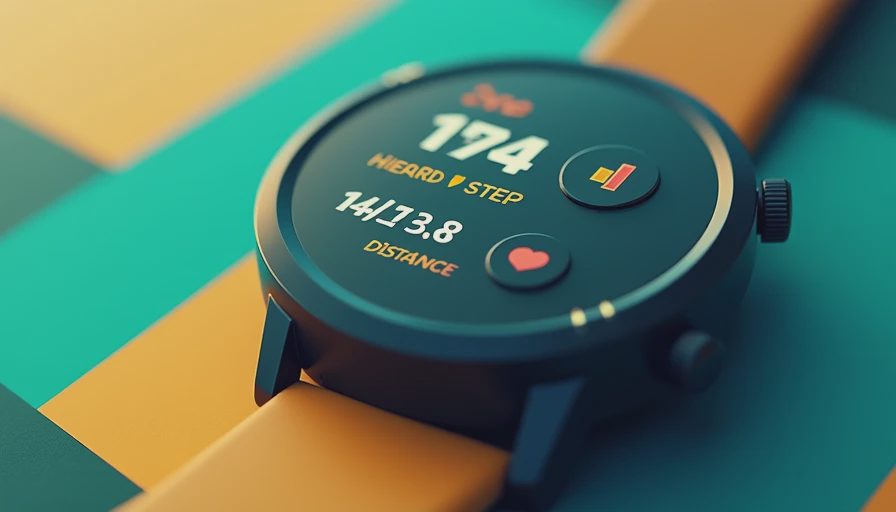
Comparing the search result with current alternatives
A Garmin Forerunner is usually the more sensible choice for a runner who wants dependable GPS workouts, structured training, and long-term activity history. A Fitbit model is often easier for general wellness tracking, sleep summaries, and a simple phone experience, though some features can depend on a subscription. Amazfit frequently competes on battery life and price, while Apple Watch and Samsung Galaxy Watch make more sense when smart notifications, apps, and phone integration are priorities.
That does not make an older adidas wearable useless. If you want basic step counts, a watch-like display, and a low purchase price, a well-tested unit could do the job. The question is support. Can you install the app today? Can you reset the device? Will it sync after your phone receives a major operating-system update? A cheap tracker that cannot sync is just a wristwatch with extra friction.
For adidas fit smart l, write down the three functions you actually need before comparing prices. If those functions are steps, a timer, and occasional heart rate, you do not need a flagship. If they are route maps, interval workouts, training load, and dependable recovery data, buying an uncertain discontinued model is false economy.
A simple buying check before you pay
Start with the model number, then verify the official app or software name. Search the app store independently rather than clicking an unfamiliar download link from a seller. Read recent reviews for pairing problems, not just old comments praising the design. Confirm the charger, strap size, water-resistance language, and return policy. Water resistance is not the same as waterproofing, and seals can weaken with age or damage.
Next, inspect the condition of the optical sensor and charging contacts. Scratches on the screen are cosmetic; corrosion on the contacts can prevent charging. Ask for a photo showing the device powered on with its battery percentage visible. If the seller will not provide basic evidence, move on. There are plenty of inexpensive trackers, and no wearable is important enough to justify a frustrating purchase.
Finally, decide what success looks like after two weeks. You might want three walks per week, a consistent bedtime, or a clearer view of easy-run effort. Record those behaviors separately from the device score. If the tracker disappears into a drawer, the most accurate sensor in the world cannot help.
My practical recommendation
I would not buy adidas fit smart l from a vague listing simply because the name sounds familiar. I would buy it only when the exact model, app compatibility, charger, battery condition, and return terms are documented. At a low enough price, it can be a modest step counter or an interesting piece of wearable history. At $100 or more, a currently supported Garmin, Fitbit, Amazfit, or other mainstream device is usually the calmer choice.
The best wearable is not the one with the longest feature list. It is the one you can charge, understand, and wear long enough to notice a useful pattern. Identify the device first, ignore dramatic scores, and let your actual habits—not the product name—decide whether it earns a place on your wrist.



No letters yet — pray write the first.