The search for whoop vs fitbit air is a little confusing because Fitbit does not have a mainstream wearable officially called the Fitbit Air. You may be comparing Whoop with a Fitbit device such as the Charge 6, Inspire 3, or Sense 2, or you may have seen an early product rumor. I will address the comparison in the useful way: Whoop versus Fitbit's current fitness-tracking approach.
I have worn both systems for weeks at a time, including during easy runs, hard workouts, family hikes, and the kind of ordinary Tuesday when sleep is short and nobody feels especially athletic. The central difference is simple. Whoop is built around recovery coaching and subscription-based data. Fitbit is built around accessible activity, sleep, health, and smartwatch features. Neither is automatically more accurate for every person.
Whoop vs Fitbit Air: the basic difference
Whoop 4.0 has no traditional watch screen. You wear it continuously, then view your information in the phone app. Its main language is strain, recovery, sleep performance, and sleep need. That makes it appealing to runners and gym users who want guidance about how hard to train today rather than a wrist full of notifications.
A Fitbit tracker usually gives you more immediate information. Depending on the model, you can see steps, heart rate, workout duration, calories, notifications, sleep summaries, and sometimes GPS data directly on your wrist. The Charge 6 also functions as a more conventional fitness watch, while the smaller Inspire 3 focuses on basic tracking and comfort.
The distinction matters because these products answer different questions. Whoop asks, “How prepared does your body appear for stress today?” Fitbit asks, “What did I do, and how is my general health trending?” Those questions overlap, but they are not identical.
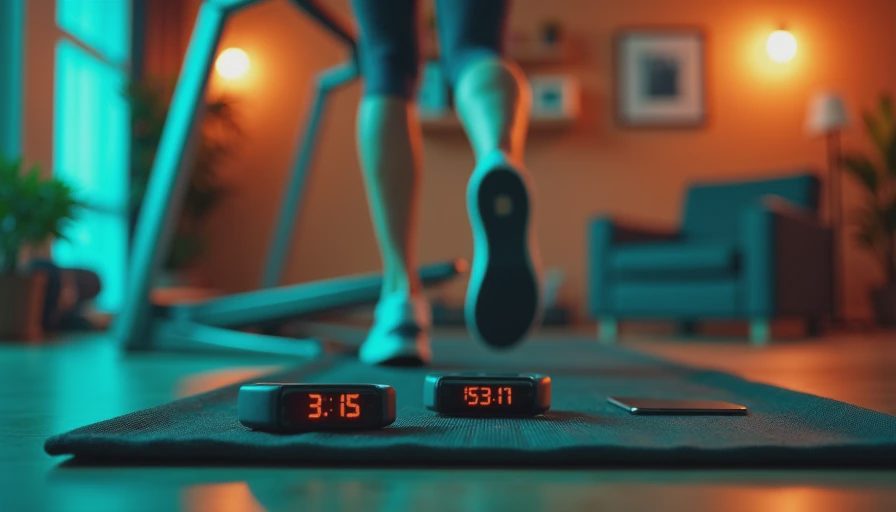
Recovery data versus everyday activity
Whoop's recovery score combines measurements such as heart-rate variability, resting heart rate, sleep, and breathing rate. In plain English, it is trying to estimate how recovered your nervous system appears after the previous day's stress. That can be useful when a hard workout, late night, alcohol, illness, or work deadline has piled onto the same week.
Fitbit also records resting heart rate, sleep stages, and other health information, but it does not make recovery coaching the center of the experience in quite the same way. Fitbit's Daily Readiness Score can offer a similar nudge on supported devices and memberships, yet the broader product still feels more like an activity tracker than a recovery coach.
This is where whoop vs fitbit air becomes a question of behavior. If a score changes your plan from intervals to an easy jog, Whoop's approach can be valuable. If you mainly need a reminder to walk, a record of your sleep schedule, and a clear count of your workouts, Fitbit is often enough. A recovery score is not a diagnosis, and one poor number should never overrule obvious symptoms or common sense.
My practical rule is the same one I use with coaching clients: trust the trend, not the reading. Look at two or three weeks of data before deciding that a single low score means anything important.
Sleep tracking and comfort at night
Both brands can help you notice sleep patterns, but the experience differs. Whoop is designed to be worn around the clock, and its lack of a bright watch display makes it easy to wear in bed. The app emphasizes time in bed, sleep performance, sleep debt, disturbances, and suggested bedtimes. For someone trying to stop sacrificing sleep for early workouts, that framing can be genuinely useful.
Fitbit has long been approachable for sleep tracking. The Inspire 3 is light enough that many people forget it is there, and Fitbit's app presents sleep information in a relatively friendly format. Some advanced sleep insights require Fitbit Premium, which adds an ongoing cost beyond the device.
Neither device can directly measure how refreshed you feel. Sleep-stage labels are estimates based on movement and heart-rate signals, not a laboratory sleep study. I pay more attention to bedtime consistency, total sleep opportunity, and how I feel on morning runs than whether a graph claims I had exactly 86 minutes of deep sleep.
For a hot sleeper or someone who dislikes wrist hardware, a smaller Fitbit can be easier. For a person who wants sleep to drive daily training decisions, Whoop's coaching language is more focused. In the whoop vs fitbit air decision, nighttime comfort may matter more than a long feature list because a tracker cannot analyze sleep it was left on the dresser to avoid.
Workout tracking and running usefulness
Whoop is strong at showing how much cardiovascular and physiological stress a workout created. Its strain score can help prevent the classic mistake of stacking a hard run, heavy lifting session, and poor night's sleep into one optimistic week. It is especially helpful for athletes who already understand basic training and want a second set of data around load management.
The weakness is that Whoop is not a traditional running watch. You usually depend on your phone for route tracking, pace, and distance. If you want to glance at pace during a race or leave your phone at home, a Fitbit with built-in GPS, a Garmin, or an Apple Watch is more convenient.
Fitbit covers everyday workouts well and can track runs, walks, rides, and gym sessions. Its screen gives you live information without opening an app. GPS performance and workout controls are adequate for many recreational runners, though serious runners often want deeper navigation, structured workouts, battery life, and training analytics from a dedicated sports watch.
This is another reason whoop vs fitbit air has no universal winner. Whoop is better at asking whether today's training fits your recent stress. Fitbit is better at giving you a practical wrist companion that records activity while also handling ordinary smartwatch duties.
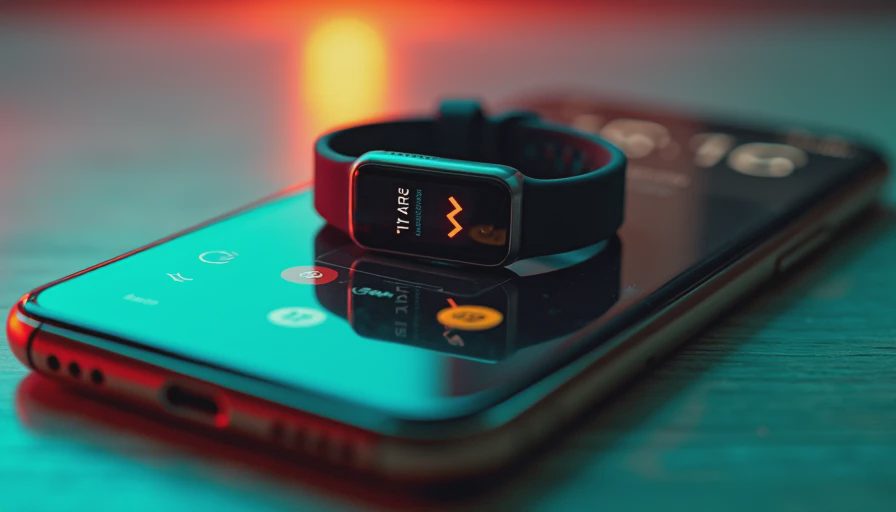
Cost, subscriptions, and ownership
The purchase price is only part of the decision. Whoop's hardware is generally tied to a membership, with monthly, annual, and longer-term plans offered at different prices. The subscription unlocks the core experience, so stopping the membership changes the value of owning the band. That recurring cost makes sense only if you use the coaching and trends regularly.
Fitbit devices usually have a clearer one-time hardware purchase. Models such as the Inspire 3 and Charge 6 cover different budgets, while Fitbit Premium adds deeper reports and selected features for a monthly or annual fee. You can still use a Fitbit without Premium, but some of the most detailed insights are reserved for subscribers.
A realistic comparison is not simply “expensive versus cheap.” Ask what you will use each week. A $100 to $180 Fitbit that sits on your wrist every day can be a better investment than a more specialized system that turns into a drawer resident. Conversely, a runner who changes training based on recovery may get more practical value from a membership than from another device with features they never open.
Which one should you buy?
Choose Whoop if you want screen-free, continuous wear and you enjoy reviewing recovery, sleep need, and training strain in an app. It suits people who already exercise consistently and want help balancing hard days with easy ones. It is less appealing if you dislike subscriptions, need live pace on your wrist, or want a device that works independently from your phone.
Choose Fitbit if you want visible daily activity, simple sleep tracking, notifications, and a familiar watch-like experience. The Inspire 3 is a sensible low-profile option for basic tracking. The Charge 6 adds more workout and GPS capability. The Sense 2 is aimed at people who want broader wellness and smartwatch functions, although its training tools are not a replacement for a dedicated running watch.
For most casual walkers, beginning runners, and people whose main goal is sleeping more consistently, Fitbit is the easier recommendation. For a committed trainee who will actually review trends and adjust workouts, Whoop can be more useful. The best answer to whoop vs fitbit air is the one that changes your behavior, not the one with the most impressive dashboard.
Before buying, write down the three numbers you genuinely care about. If they are steps, sleep duration, and workout time, Fitbit likely covers the job. If they are recovery, sleep need, and accumulated training strain, Whoop has the clearer purpose. Then wear the choice consistently for at least a few weeks. Trust the trend, not the reading.


No letters yet — pray write the first.