The first thing to clear up in any Fitbit Air vs Whoop comparison is that Fitbit does not currently sell a widely established product officially called Fitbit Air. Some shoppers use the phrase when searching for a lightweight Fitbit, a rumored model, or a comparison with the Whoop 4.0. That matters because I would rather correct the product name than build a buying decision on a gadget that may not exist.
If you mean a current lightweight Fitbit such as the Inspire 3, or a Fitbit tracker with sleep and heart-rate features, the real comparison is between a conventional fitness tracker and the screen-free Whoop 4.0. I have worn both styles for weeks, and they serve different personalities. Fitbit is easier for everyday activity and quick feedback. Whoop is more focused on training strain, recovery, and behavior patterns.
Fitbit Air vs Whoop: The basic difference
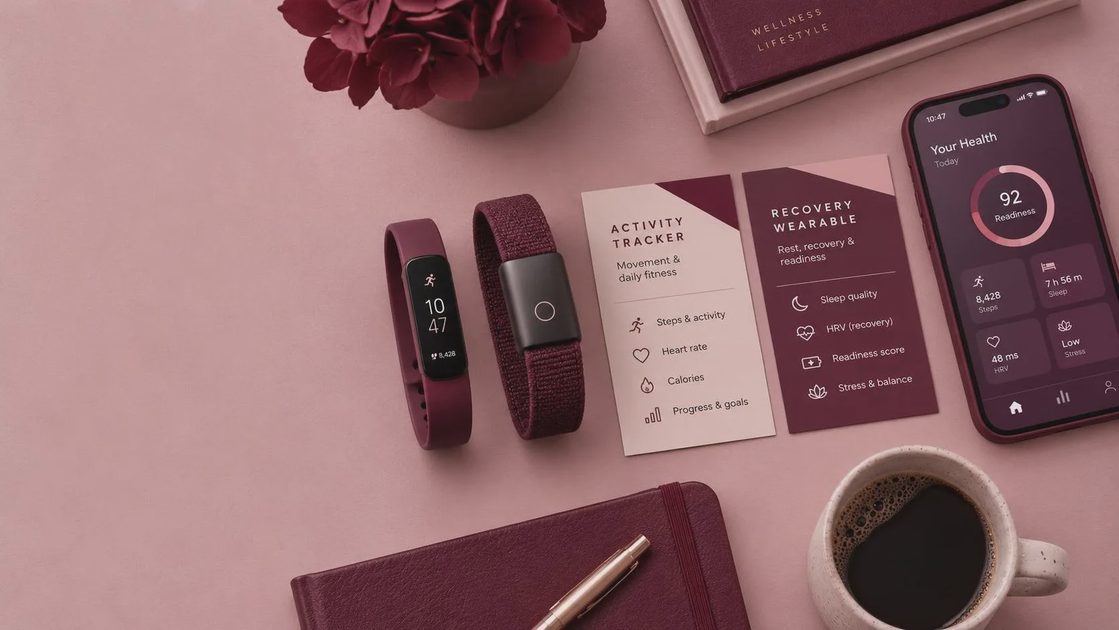
A Fitbit tracker is designed to show information on your wrist. Depending on the model, you can see steps, heart rate, workouts, sleep summaries, notifications, and sometimes an on-device workout display. That makes it useful when you want a simple reminder to move or want to check your pace without pulling out your phone.
Whoop takes the opposite approach. The Whoop 4.0 has no traditional watch screen. You wear it continuously, then review data in the phone app. Its central ideas are Strain, Recovery, and Sleep. Strain estimates the cardiovascular load of your day, while Recovery combines signals such as heart-rate variability, resting heart rate, sleep, and breathing rate into a daily score.
In a Fitbit Air vs Whoop decision, this is the first fork in the road: do you want information immediately, or are you willing to wait for a broader interpretation? A runner who wants mile splits usually prefers a watch or Fitbit with a display. Someone trying to stop stacking hard workouts on top of poor sleep may find Whoop's coaching model more useful.
Which one tracks health and sleep better?
Both devices use optical sensors, so neither should be treated as a medical monitor. Wrist heart-rate readings are generally more useful during steady walking, easy running, and sleep than during rapid intervals, strength training, or exercises involving a tight grip. Trust the trend, not the reading.
Fitbit has a friendlier sleep presentation for casual users. You can see sleep duration, stages, a sleep score, and related trends in the Fitbit app. The interface is approachable, and many people will understand it without reading a physiology textbook. Fitbit also makes basic activity tracking feel low effort.
Whoop goes deeper into the relationship between sleep and training load. Its journal lets you record habits such as alcohol use, late meals, stress, or a different bedtime, then look for patterns over time. That is valuable if you will actually complete the journal. If you will ignore it after three days, the extra detail is just expensive decoration.
The honest answer in the Fitbit Air vs Whoop debate is that Whoop offers more recovery-focused interpretation, while Fitbit offers a simpler daily health dashboard. Neither can diagnose illness, and a single low score should not create panic.
Workout tracking and running experience
For gym sessions, general walking, and casual runs, a Fitbit can be the more practical companion. A screen lets you check elapsed time and heart rate without stopping. Some Fitbit models offer built-in GPS, while others use connected GPS through a phone, so the specific model matters. Verify that detail before buying.
Whoop is strongest after the workout rather than during it. It can record activities and estimate cardiovascular strain, but you interact with the app instead of a watch face. That is fine for someone who already runs with a phone, Garmin, or Apple Watch. It is less convenient for a runner who wants live pace, distance, or interval prompts from one device.
I also would not use either platform as an authority on calories. Calorie estimates are rough calculations based on heart rate, movement, body data, and assumptions about efficiency. They can be useful for comparing your own weeks, but they are not a precise food budget.
For the Fitbit Air vs Whoop question, choose the Fitbit-style option if your workout needs live information. Choose Whoop if your main question is whether today's training fits your recent recovery.
Comfort, battery, and subscription costs
Comfort is personal, but both designs can disappear on the wrist once you find the right fit. Fitbit bands feel like familiar fitness trackers. Whoop can be worn in a band, with compatible clothing, or in other body-worn options, which appeals to people who dislike a visible screen. A screen-free design also removes the temptation to check every notification during a family dinner.
Battery life depends on the Fitbit model and settings. Smaller Fitbit trackers often last several days, while a display, frequent GPS use, and notifications can reduce that figure. Whoop's removable battery pack is one of its practical advantages because you can charge the device while continuing to wear it. That helps protect a continuous data record.
Cost requires a closer look. A Fitbit Inspire 3 has typically been positioned as an affordable tracker, often around the lower end of the fitness wearable market, while more advanced Fitbit watches cost more. Whoop's hardware access is tied to a membership subscription, and the total price over two or three years can exceed the purchase price of a basic Fitbit by a wide margin.
Who should buy each option?
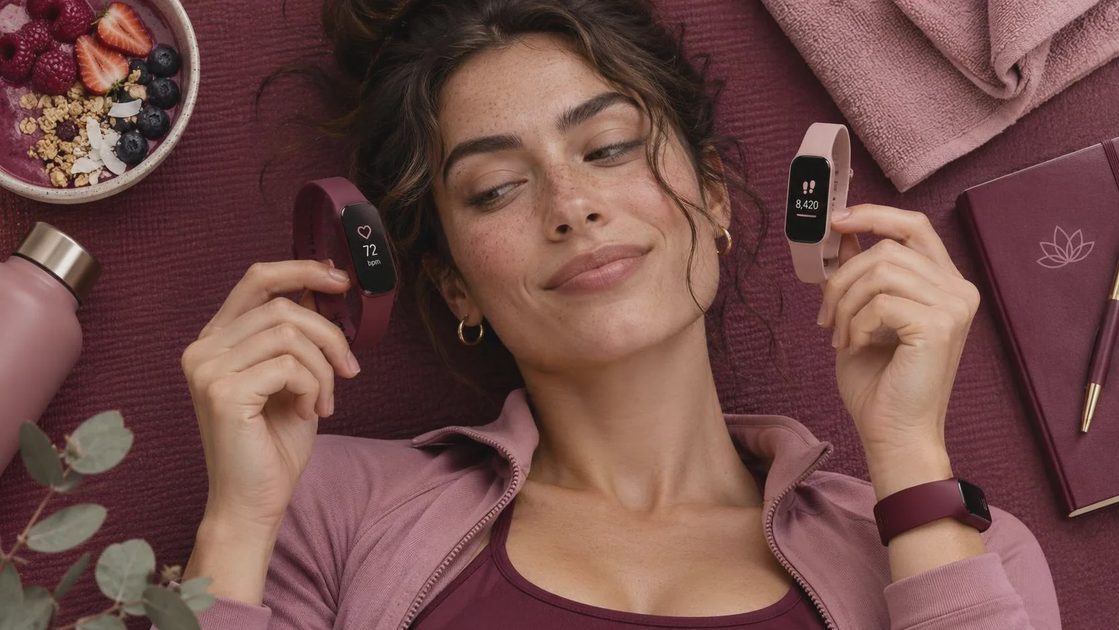
Fitbit makes more sense for a busy adult who wants steps, sleep, heart rate, and occasional workouts without turning fitness into a second job. It is also the safer choice for someone who wants a lower upfront cost, a visible watch face, and a familiar app. Parents, walkers, new runners, and people building a basic sleep routine usually do not need the most elaborate recovery model.
Whoop suits a consistent trainer who will wear it nearly all the time and review patterns every week. It can be helpful for a runner balancing mileage with work stress, a gym-goer managing frequent hard sessions, or an athlete who wants a structured sleep routine. The value comes from changing behavior, not from collecting another colorful score.
That distinction keeps the Fitbit Air vs Whoop comparison grounded. Whoop is not automatically better because it displays more analysis. Fitbit is not automatically better because it is easier. The right tool is the one whose feedback changes your next decision.
My practical buying recommendation
If you searched Fitbit Air vs Whoop because you want a light, uncomplicated tracker, start with a current Fitbit model rather than chasing an unconfirmed product name. The Inspire 3 is the kind of device I would consider for basic activity and sleep tracking. If you need serious running features, compare a GPS running watch from Garmin, COROS, Apple, or another established platform instead.
Choose Whoop when recovery is the specific problem you are trying to solve and you accept the ongoing membership cost. Before subscribing, write down the decisions you want the data to improve: bedtime, rest days, training intensity, or alcohol and late-meal habits. If you cannot name those decisions, the subscription probably will not earn its keep.
In the end, Fitbit Air vs Whoop is less about a winner and more about feedback style. Fitbit gives you a useful window into daily movement. Whoop gives you a more involved interpretation of readiness and training load. Wear either consistently for a month, compare trends rather than isolated readings, and let your actual habits—not the marketing page—make the final call.




No letters yet — pray write the first.