The vivoactive 6 is aimed at people who want useful training guidance without wearing a miniature smartphone on their wrist. After spending weeks using it through easy runs, strength sessions, workdays, and nights, I think Garmin has made a convincing middleweight watch. It is more capable than a basic activity tracker, less intense than a Forerunner, and much less distracting than an Apple Watch. The important question is not whether the vivoactive 6 can display a long list of metrics. It can. The question is whether those metrics help you make better decisions.
My answer is yes, with a few qualifications. Garmin gives you an AMOLED display, built-in GPS, sleep tools, Body Battery, workout tracking, music controls, notifications, and Garmin Pay in a relatively comfortable case. You do not need to learn every graph on day one. Start with the basics: how long you sleep, how often you move, how your effort feels, and whether your training leaves you ready for the next session.
What the vivoactive 6 is designed to do
The vivoactive 6 sits between Garmin’s simpler vívosmart-style trackers and its more specialized Forerunner watches. That positioning matters. It is not built primarily for marathon split analysis, multisport racing, or endless button-based training screens. It is built for a busy person who might run three miles before work, lift on Thursday, take a long walk Saturday, and still want a watch that looks normal at dinner.
The AMOLED screen is bright, colorful, and easy to read indoors. Menus are primarily touch-driven, so the experience feels closer to a modern smartwatch than an old-school running computer. Garmin includes a broad collection of activity profiles, including running, walking, cycling, pool swimming, strength, yoga, and other gym activities. GPS tracking is appropriate for everyday routes, although runners who demand the fastest satellite lock or highly detailed navigation should look at a Forerunner instead.
The vivoactive 6 also handles phone notifications, alarms, weather information, timers, music controls, and contactless payments. Those features are convenient, but they are not the reason I would buy it. The reason is the balance: enough information to support a routine, without making every workout feel like a data-management project.
Sleep and recovery data without the panic
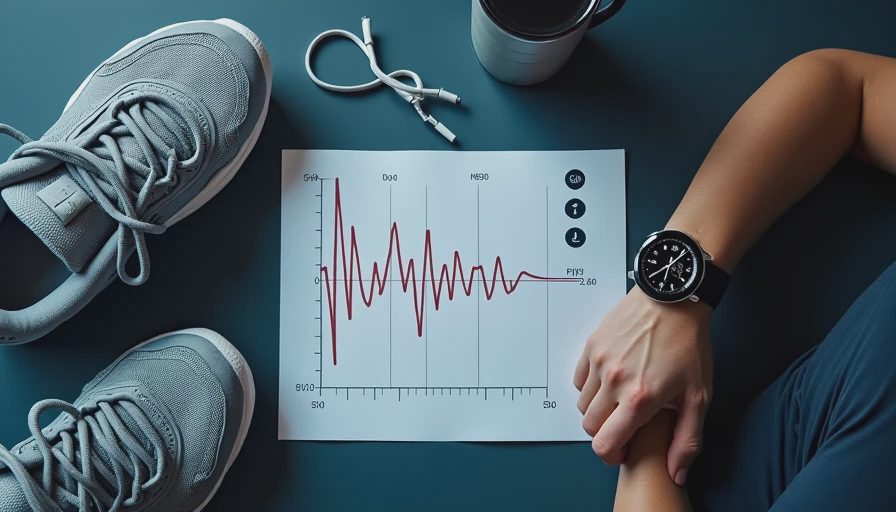
Garmin’s sleep tracking is most useful when you treat it as a pattern detector rather than a medical instrument. The vivoactive 6 estimates sleep stages, overnight heart rate, stress, movement, and other signals, then presents a broader picture of recovery. The Sleep Coach can help translate recent sleep behavior into a suggested target. That can be useful after a week of late nights or unusually hard training.
Here is the physiology in plain English: one poor night does not erase your fitness, and one impressive sleep score does not guarantee that you are ready for intervals. Stress, illness, alcohol, travel, heat, and emotional strain can all affect how you feel. I pay more attention when several signals move together. If resting heart rate is elevated, sleep has been shortened for three nights, and an easy run feels strangely hard, backing off is sensible. If one score looks odd but your energy and performance are normal, I do not rearrange the week around it.
That is where the vivoactive 6 is helpful. It puts trends in front of you, but it does not require you to obey every number. Trust the trend, not the reading. If you have symptoms such as chest pain, fainting, or unusual shortness of breath, use a qualified clinician, not a watch, for medical advice.
Running, GPS, and workout guidance
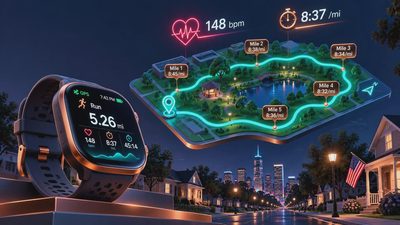
For casual runners and people returning to exercise, the vivoactive 6 provides the essentials. You can record distance, pace, heart rate, elapsed time, and route, then review the activity in Garmin Connect. The watch can also support structured workouts, so a run might include a warm-up, several timed efforts, and a cool-down without you memorizing the sequence.
The wrist-based heart-rate sensor is convenient for steady efforts, walks, and general daily monitoring. It is less trustworthy during rapid intervals, cold-weather sessions, or strength exercises involving a lot of wrist movement. A compatible chest strap remains the better choice when precise effort data matters. That is not a failure unique to Garmin; optical sensors are trying to read blood flow through a moving wrist.
For most runners, the bigger value is consistency. Seeing the same route, pace, and perceived effort over several weeks can reveal progress more clearly than chasing a perfect daily score. The vivoactive 6 gives enough feedback to help you notice that an easy pace is becoming easier, which is a more meaningful win than accumulating random badges.
Battery life and everyday comfort
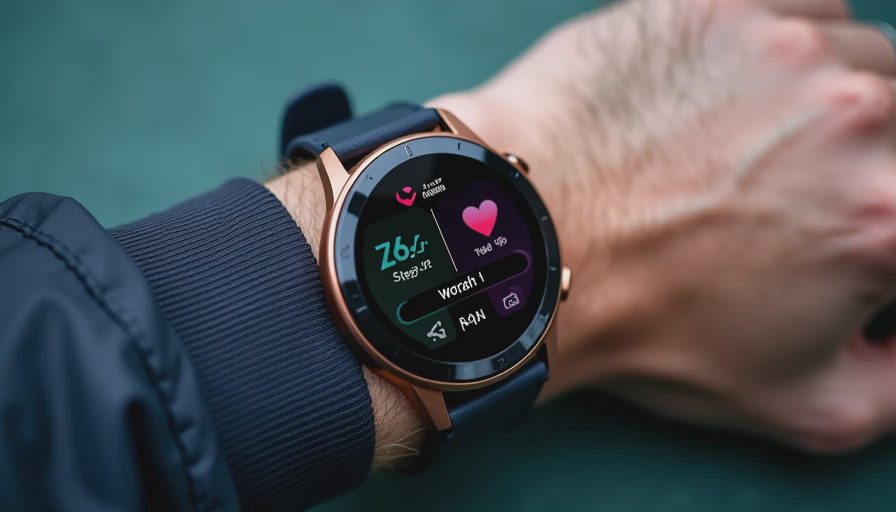
Garmin rates the vivoactive 6 for up to 11 days in smartwatch mode, while GPS use and screen settings reduce that figure. Real-world battery life depends on how often you record workouts, how bright you set the display, whether notifications are constant, and how frequently blood oxygen measurements are enabled. I prefer to think of the battery as a practical advantage rather than a promise: you can usually go several days without treating charging as another daily chore.
The lightweight case makes overnight wear realistic, which matters because sleep data is only useful if you actually wear the device to bed. The silicone band is suitable for exercise and showers, though some people will want a softer replacement band for hot weather. The watch is water-rated for swimming, but that does not mean it belongs in a sauna or should be exposed to every chemical without care.
The AMOLED panel looks excellent, but always-on display settings use more power. I would leave the display gesture-based for normal use and turn on brighter behavior only when I need it. That small compromise usually gives a better balance between glanceability and charging frequency.
How it compares with other Garmin watches
Choose a Forerunner 165 if running is your main hobby and you want a more training-focused experience with running-specific tools. Choose a Forerunner 265 or a higher model if you regularly train for races, need deeper workout planning, or care about advanced performance analysis. Those watches are excellent, but their extra features are not automatically useful to a recreational runner.
Choose an Apple Watch if you want the strongest iPhone integration, a broad app ecosystem, and a more phone-like smartwatch experience. Choose a Fitbit model if simple health summaries and a friendly activity interface matter more than Garmin’s training platform. The vivoactive 6 is the better fit for someone who wants long battery life, Garmin Connect, reliable workout recording, and fewer reasons to charge every night.
Price should also shape the decision. If the vivoactive 6 is close to a discounted Forerunner, compare the feature lists carefully. If you find it at a meaningful sale price, its balanced design becomes much easier to recommend. You are buying a useful daily tool, not a clinical monitor or a professional race computer.
Who should buy the vivoactive 6
The vivoactive 6 makes sense for a new smartwatch owner, a returning exerciser, a gym-goer who wants better consistency, and a runner who does not need advanced navigation. It is particularly good for someone who wants sleep and activity feedback but does not want the watch to dominate the day. Garmin’s battery life, health trends, workout library, and broad activity support form a strong package.
I would skip it if you need detailed maps, serious triathlon features, deep running dynamics, or extensive phone independence. I would also skip it if you dislike touchscreens during workouts and prefer physical buttons for every interaction. In those cases, a Forerunner or another sport-focused model will feel more natural.
For everyone else, the vivoactive 6 is a calm, capable choice. It will not make you fit by itself, and no wrist sensor can replace good coaching, sleep, or common sense. What it can do is reduce friction: start the walk, record the run, notice the pattern, and make tomorrow’s decision with slightly better information.
No letters yet — pray write the first.