If you have searched how much rem sleep do you need after checking an Apple Watch, Garmin, Fitbit, or Oura Ring, you are not alone. REM numbers look precise, but they are estimates rather than a direct measurement of brain activity. The useful question is not whether one night produced an ideal score. It is whether your sleep pattern, energy, mood, and recovery are generally moving in a healthy direction.
For most adults, REM sleep makes up about 20% to 25% of total sleep. With seven to nine hours in bed and actually asleep, that works out to roughly 90 to 135 minutes. That is a practical range, not a pass-or-fail target. Your needs change with age, stress, illness, alcohol, medication, training load, and the amount of sleep you get overall.
What REM sleep does for your brain and body
REM stands for rapid eye movement. During this stage, brain activity becomes more similar to waking activity, most vivid dreaming occurs, and most muscles are temporarily relaxed. Researchers associate REM sleep with emotional processing, learning, memory, and the integration of information from the day. It is one part of a repeating sleep cycle, not a separate wellness treatment.
Sleep cycles usually last around 70 to 120 minutes, although the timing varies. Earlier cycles contain more deep sleep, while later cycles tend to contain more REM sleep. That is why cutting an eight-hour night down to five or six hours can remove a disproportionate amount of REM. You might remember waking from a dream, but that moment does not tell you how much REM you had across the night.
So, how much rem sleep do you need? The honest answer is enough to support normal daytime function as part of adequate total sleep. There is no universally proven personal quota such as exactly 104 minutes. Someone who sleeps seven hours may show less REM than someone who sleeps nine hours without either person having a problem.
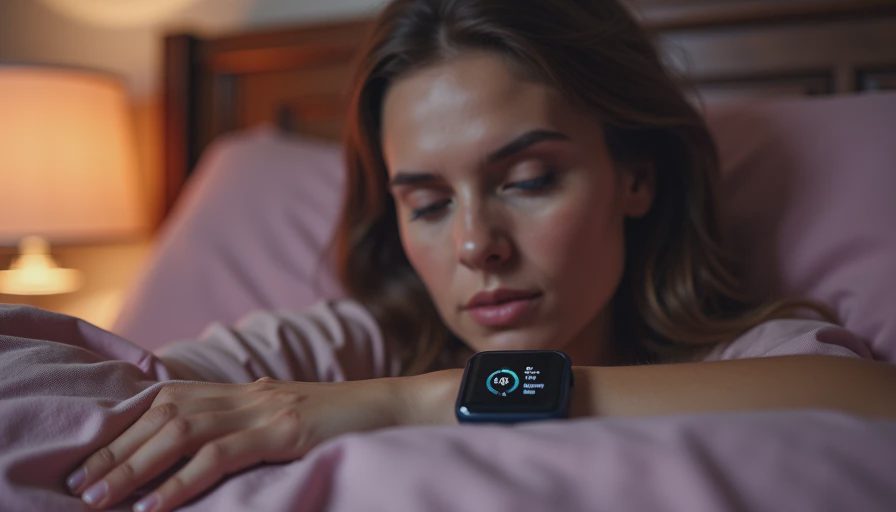
How much REM sleep do you need by age?
Age is one of the clearest influences on sleep architecture. Newborns spend much more time in REM-like sleep, while adults typically spend a smaller share. Older adults often experience lighter, more fragmented sleep and can see changes in REM timing. These are broad biological patterns, not diagnostic cutoffs.
For a healthy adult, using 20% to 25% as a rough guide is reasonable. Seven hours of sleep could include approximately 84 to 105 minutes of REM. Eight hours could include about 96 to 120 minutes, and nine hours could include roughly 108 to 135 minutes. These calculations are simply percentages, not promises from your body.
The bigger concern is often insufficient sleep overall. If you regularly sleep five and a half hours, increasing total sleep may improve your REM amount without any special supplement, breathing exercise, or expensive sleep gadget. Asking how much rem sleep do you need makes more sense after asking whether you are giving yourself enough time to sleep.
Why your wearable may get REM wrong
Consumer wearables do not directly measure brain waves unless they include electroencephalography, which most watches and rings do not. Instead, they estimate sleep stages using movement, heart rate, heart-rate variability, skin temperature, and other signals. The algorithms can be useful for spotting bedtime and wake-time trends, but stage-by-stage readings are less dependable than total sleep duration.
In my own weeks with different trackers, I have seen two devices assign noticeably different REM totals to the same night. A loose fit, a late meal, restless children, an unusual workout, or a warm bedroom can affect the estimate. A tracker reporting 58 minutes one night and 122 minutes the next does not prove that your brain changed dramatically.
Trust the trend, not the reading. Look at two to four weeks of data, then compare it with how you feel. If your tracker says REM is low but you wake refreshed, train normally, and stay alert during the day, I would not chase the number. If both the data and your daytime symptoms look poor, investigate the pattern rather than the single score.

What can reduce REM sleep?
Short sleep is the most obvious factor, particularly when you wake before the later part of the night. Alcohol can also disrupt sleep architecture, even if it helps you fall asleep faster. Stress, jet lag, inconsistent bedtimes, illness, and some medications can alter sleep stages. Certain antidepressants and other prescription drugs can affect REM, so do not stop or change a medication based on a watch report.
Sleep apnea is another possibility when someone snores loudly, gasps, wakes with a dry mouth, or feels unrefreshed despite spending enough time in bed. It is not possible to diagnose apnea from a smartwatch. Repeated breathing disturbances, morning headaches, or dangerous daytime sleepiness deserve a conversation with a qualified clinician.
Exercise generally supports better sleep, but a very hard late-evening session can leave some people wired. I coach runners who sleep poorly after adding mileage too quickly, then blame a low recovery score. Reducing training stress, keeping a steady wake time, and allowing enough food and recovery often helps more than buying a new device.
How to improve REM-supporting sleep
Start with a simple seven-day experiment. Set a consistent wake time, then allow at least seven to nine hours for sleep opportunity. Keep the bedroom cool, dark, and quiet. Get outdoor light early in the day, limit caffeine late in the afternoon, and avoid using alcohol as a sleep aid. If you exercise, finish intense sessions early enough for your heart rate and mind to settle.
Do not make your bedtime routine complicated. A shower, a paper book, gentle stretching, or ten minutes of quiet music can work. If you lie awake for a long time, get up briefly and do something calm in dim light rather than turning the clock into a scoreboard. These habits support sleep continuity, which gives your body a better chance to move through normal cycles.
People often ask how much rem sleep do you need when their tracker shows a low result. My first recommendation is to extend sleep by 30 to 60 minutes for two weeks and stop judging individual nights. That small change is easier to test than a supplement stack, and it addresses the most common problem: not enough total sleep opportunity.
When to take the number seriously
A low REM estimate by itself is rarely an emergency. Pay attention when it appears alongside persistent fatigue, concentration problems, mood changes, frequent awakenings, loud snoring, witnessed breathing pauses, or falling asleep while driving. Those symptoms matter more than whether a ring displays 14% or 22% REM.
Bring a two-week sleep log to an appointment if concerns continue. Record bedtime, wake time, awakenings, alcohol or medication changes, training, and daytime alertness. You can include screenshots from your watch, but present them as supporting information rather than a diagnosis. A clinician may assess sleep apnea, insomnia, medication effects, depression, anxiety, or other conditions that a tracker cannot separate.
The practical answer to how much rem sleep do you need is not a magic number. Most adults spend around one-fifth to one-quarter of sleep in REM, but healthy nights vary. Protect total sleep, follow the trend, and judge technology by whether it helps you make a useful change. If the device makes you anxious without improving your habits, take it off for a week. Your body is not failing because one algorithm had a strange night.


No letters yet — pray write the first.