Deep sleep is the phrase that makes people stare at a smartwatch before breakfast and wonder whether their body is recovering properly. I understand the temptation. After years in cardiac rehab and eight years testing wearables, I have seen plenty of people treat one restless night as a medical report. A wearable can provide useful clues, but it cannot directly read every stage of your brain activity. Trust the trend, not the reading.
What deep sleep actually means
Deep sleep is commonly used for the slow-wave stage of non-REM sleep, often called N3. During this part of the night, your brain produces slower electrical activity, your muscles are relaxed, and your heart rate and breathing generally settle. The body handles physical restoration, immune activity, and some memory processing during sleep, although the process is not as simple as a repair switch being turned on.
Most adults move through several sleep cycles, with more slow-wave sleep earlier in the night and more REM sleep toward morning. That means a person who sleeps six hours can lose a disproportionate amount of late-night REM, while an unusually short night can also reduce the total opportunity for deep sleep. The exact amount changes with age, training load, stress, alcohol, illness, and even the time you went to bed.
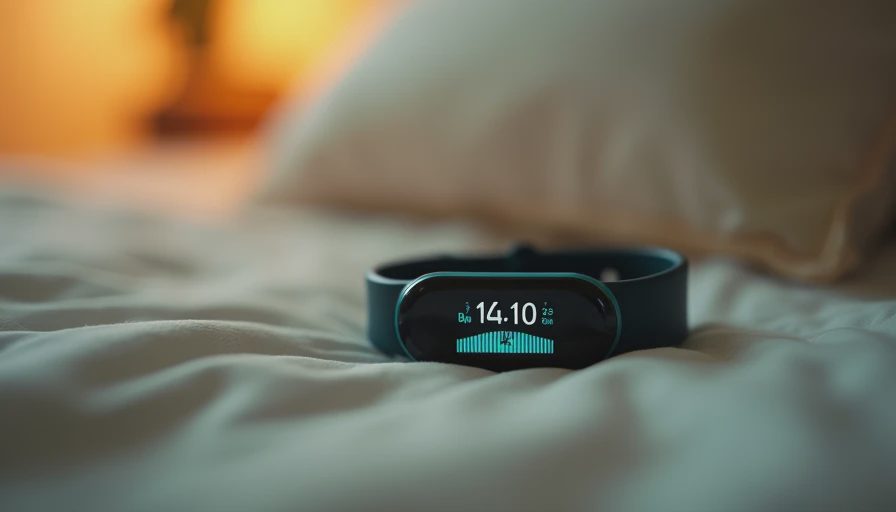
Your watch does not measure brain waves the way a clinical sleep study does. It estimates stages using movement, heart rate, heart-rate variability, skin temperature, and sometimes blood oxygen data. The estimate can be directionally helpful, but a 48-minute result is not meaningfully different from 55 minutes in the way the screen suggests.
How accurate is a wearable reading?
Accuracy depends on the device, fit, algorithm, and your individual sleep pattern. Apple Watch, Garmin, Fitbit, Samsung Galaxy Watch, and Oura Ring can all identify broad sleep and wake patterns reasonably well for many users. Their stage estimates are less dependable than their total sleep time and bedtime measurements. A restless sleeper, a loose band, or a night spent reading in bed can confuse the algorithm.
I have compared Garmin, Apple Watch, Fitbit, and Oura data over multi-week stretches. The numbers rarely agree perfectly. One device might report 62 minutes of deep sleep while another reports 84 minutes on the same night. What usually matters more is whether both show a similar pattern after a hard training week, a late meal, or several nights of short sleep.
A clinical sleep study uses sensors that measure brain activity, eye movement, muscle activity, breathing, and other signals. A consumer wearable is not a substitute for that testing. If you have loud snoring, witnessed breathing pauses, morning headaches, persistent insomnia, or dangerous daytime sleepiness, discuss those symptoms with a qualified clinician rather than trying to diagnose yourself from an app.
What a normal night can look like
There is no single target that every adult should hit. Many general references place deep sleep somewhere around 10% to 25% of total sleep, but an individual night outside that range is not automatically a problem. The percentage can shift substantially without a meaningful change in health.
For example, a runner who sleeps eight hours might see 70 minutes one night, 105 minutes after an easy day, and 45 minutes after drinking alcohol or waking repeatedly during a warm night. Those readings tell a story only when combined with context. Are you waking refreshed? Is your resting heart rate close to its usual level? Are your workouts progressing, or are you dragging through them?
I pay attention to three-day and two-week patterns instead of chasing a perfect score. If total sleep falls from seven and a half hours to five and a half for several nights, that matters even when the stage chart looks impressive. More deep sleep cannot fully compensate for consistently inadequate sleep.
Ways to support better deep sleep
Start with the boring fixes because they are usually more effective than buying another sensor. Keep your wake time reasonably consistent, including weekends. Get outdoor light early in the day, move regularly, and finish intense exercise far enough before bedtime that your body has time to settle. A cool, dark, quiet bedroom helps more than a new watch face.
Alcohol is worth watching closely. It can make you fall asleep quickly while fragmenting the second half of the night and changing the stage estimates. Large meals close to bedtime can also be uncomfortable, especially after a hard workout. Caffeine affects people differently, but an afternoon cutoff is a practical experiment if your evenings are restless.
Do not turn the bedroom into a laboratory. If your device says your deep sleep was low, ask what was different: a late flight, a sick child, a long run, work stress, or a warm room. Make one change for a week instead of changing five variables at once. That gives you information you can actually use.
Which wearable features are worth paying for?
You do not need a flagship watch to learn whether your schedule is hurting recovery. A basic Fitbit, older Apple Watch, Garmin Forerunner, or entry-level sleep tracker can show bedtime, wake time, interruptions, and longer-term trends. Those measurements are often more actionable than an elaborate readiness score.
Oura Ring is convenient for people who dislike sleeping with a watch, while Garmin is a sensible choice for runners who want training and sleep in one place. Apple Watch works well for people already using an iPhone and wanting a broad health dashboard. Fitbit remains approachable for sleep-focused tracking. None of these brands owns the truth about deep sleep, and none deserves automatic trust simply because its chart looks polished.
Before spending $300 or more, ask what behavior the device will change. If you already know that late-night scrolling leaves you tired, another graph will not solve the problem. Buy better hardware when comfort, battery life, or training tools are genuinely limiting you.
A practical way to read your data
For the next 14 nights, record bedtime, wake time, total sleep, and how rested you feel from one to five. Add unusual factors such as alcohol, illness, hard training, travel, or a child waking you. Then compare those notes with the wearable’s deep sleep estimate.
Look for repeated relationships. Perhaps your best mornings follow seven or more hours in bed, regardless of the stage number. Perhaps hard evening workouts raise your overnight heart rate. Perhaps the device reports low deep sleep whenever the band is loose. Those observations are more useful than competing with an arbitrary target.
If the trend is poor and you have symptoms such as persistent exhaustion, breathing interruptions, or insomnia, take the pattern to a healthcare professional. The watch can be a conversation starter, not a diagnosis. The goal is not to win a sleep-score contest. It is to wake up with enough energy for your work, family, and next run.


No letters yet — pray write the first.