If you are searching for how to lower resting heart rate, start with the useful question: what is your heart doing over time, not what did it do at 7:14 this morning? Resting heart rate is the number of times your heart beats per minute while you are genuinely at rest. It can reflect fitness, recovery, stress, illness, sleep, hydration, alcohol, medications, and plain measurement noise.
I spent eleven years in cardiac rehab, and I saw plenty of people worry over a single reading that meant very little. Your watch is a helpful trend tool, not a cardiologist in a glass rectangle. Trust the trend, not the reading.
What resting heart rate actually tells you
A lower resting heart rate often means your heart can circulate blood efficiently with fewer beats. Regular aerobic exercise can make the heart stronger, while poor sleep, dehydration, emotional stress, fever, and hard training can push the number higher. That does not make a higher reading automatically dangerous, and it does not make a lower reading automatically better.
Many healthy adults see a resting heart rate somewhere between 60 and 100 beats per minute, though trained runners can sit below that range without a problem. The important comparison is usually your own baseline. If your normal overnight average is 56 and it becomes 65 for three mornings, that change deserves context. A late dinner, two drinks, a hot bedroom, or the first day of a cold could explain it.
Wearables also calculate the metric differently. Apple Watch, Garmin, Fitbit, and Oura may use sleep data, quiet daytime readings, or a combination of measurements. Compare readings from the same device under similar conditions instead of ranking yourself against someone online.

How to lower resting heart rate through aerobic training
The most reliable long-term answer to how to lower resting heart rate is consistent aerobic work that you can recover from. Walking, easy running, cycling, rowing, and swimming all count. You do not need a heroic workout. Three to five sessions of 20 to 45 minutes per week is a practical starting point for many adults.
Keep most sessions easy enough that you can speak in complete sentences. For a runner, that might mean slowing down, walking hills, or using a run-walk pattern. The workout should finish with you feeling like you could have continued, not like you have borrowed energy from tomorrow. Fitness improves during recovery, not while you are collecting exhaustion.
Add intensity carefully. One faster session each week can be useful for an experienced exerciser, but stacking intervals, long runs, and heavy leg strength sessions is a common way to raise resting heart rate temporarily. If your sleep worsens and your easy pace feels unusually hard, reduce volume for several days.
Sleep, stress, and the quiet changes that matter
When people ask how to lower resting heart rate, they often expect a supplement or a special breathing drill. The unglamorous basics usually have more leverage. Aim for a consistent sleep schedule, keep the bedroom cool and dark, and give yourself a wind-down period without work email or intense scrolling. A wearable can show whether your sleep timing is becoming steadier, but its sleep-stage labels are estimates rather than medical diagnoses.
Stress matters because the nervous system can keep your heart prepared for action even when you are sitting on the couch. Try five minutes of slow breathing, with a slightly longer exhale than inhale, once or twice daily. A ten-minute walk after dinner can also help your body shift out of work mode. These are not magic tricks; they are small signals of safety repeated often enough to become routine.
Alcohol is another easy-to-miss factor. Even one or two drinks can disrupt sleep and raise overnight heart rate for some people. Track your own response for two weeks rather than assuming your watch is judging you. It is simply showing a pattern you can use.

Hydration, food, and medication context
Dehydration makes the heart work harder to maintain circulation, especially in heat or during long exercise. Drink regularly through the day and replace fluids after sweaty sessions. You do not need to force huge amounts of water, and excessive water without appropriate electrolytes can also create problems during prolonged activity.
Eat enough to support the training you are doing. A very aggressive calorie cut, skipped meals, or repeated hard workouts without carbohydrates can increase fatigue and make your resting readings less stable. Build meals around ordinary foods: protein, vegetables or fruit, whole-food carbohydrates, and a source of healthy fat. The goal is dependable energy, not a perfect diet.
Some medications, including certain drugs that affect blood pressure or heart rate, can change your readings. Do not stop or alter a prescription to chase a watch number. If a new medication coincides with unusual fatigue, dizziness, fainting, or a significant change in heart rate, contact the clinician who prescribed it.
How to use a smartwatch without getting fooled
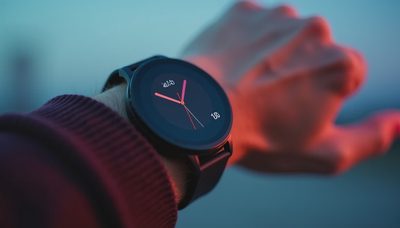
Your device can help you learn how to lower resting heart rate, but only if you use it consistently. Wear it snugly in the same position, keep the sensor clean, and review weekly or monthly patterns. A loose band, cold skin, movement, or an incomplete night can produce a strange result.
Create a simple log with four items: overnight or morning heart rate, sleep duration, exercise load, and anything unusual such as alcohol, illness, travel, or stress. After two or three weeks, look for relationships. If late workouts repeatedly produce higher overnight readings, move them earlier or make them easier. If a rest day brings the number down, your training plan may need more recovery.
Do not let daily readiness scores dictate every decision. I have worn more than 30 trackers over eight years, and the broad pattern is usually more useful than a single score. A $20 Casio cannot measure recovery, but it also never tells me I am doomed because my pulse changed by four beats.
When a higher resting heart rate needs attention
A temporary increase is common, especially after poor sleep, illness, heat exposure, or hard training. However, seek medical advice if your resting heart rate stays noticeably above your usual baseline without an obvious explanation, or if you have chest discomfort, fainting, severe shortness of breath, unusual weakness, or sustained palpitations. Those symptoms matter more than the number on your wrist.
If your resting heart rate is repeatedly very low and you feel dizzy, faint, confused, or unusually tired, arrange a clinical evaluation. Well-trained athletes can have low readings without symptoms, but symptoms change the conversation. Emergency symptoms deserve urgent help rather than a wearable forum thread.
The practical path for how to lower resting heart rate is steady: build easy aerobic fitness, protect sleep, manage stress, hydrate, fuel training, and review trends over several weeks. Do not chase the lowest possible number. Chase better capacity, better recovery, and a body that feels dependable on an ordinary Tuesday.




No letters yet — pray write the first.