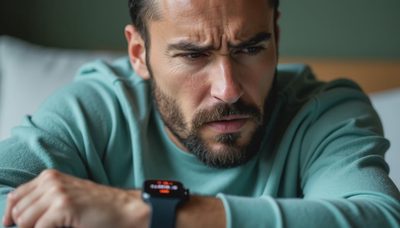
The first time a smartwatch flashed a surprisingly high number during a hill repeat, I watched the runner stop, stare at the screen, and assume something was wrong. That reaction is common. Maximum heart rate sounds like a hard biological limit, but the number on your wrist is usually an estimate, not a verdict. Understanding maximum heart rate can help you set sensible training zones, interpret effort, and stop treating every unusual reading as a medical emergency.
I spent eleven years in cardiac rehabilitation and have worn more fitness trackers than I can reasonably justify. My practical rule is simple: trust the trend, not the reading. Your breathing, effort, recovery, and symptoms matter alongside the number.
What maximum heart rate actually means
Maximum heart rate is the highest rate your heart can reach during intense exercise. It is influenced by age, genetics, medications, fitness, temperature, fatigue, hydration, and the type of activity. It is not the same as your resting heart rate, which is the number of beats per minute when you are relaxed.
A common estimate is 220 minus your age. A newer age-based formula often used in exercise settings is 208 minus 0.7 multiplied by your age. Neither formula knows your personal physiology. Two healthy 45-year-old runners can have estimated values of 175 and 185, and neither one is automatically more fit.
That distinction matters because many watches build heart-rate zones from an estimated maximum. If the estimate is off by 10 beats, the watch can label a steady run as hard or a genuinely demanding effort as moderate. The calculation is a starting point, not a laboratory measurement.

For example, a 40-year-old runner might see an estimated maximum heart rate near 180 beats per minute. During a short hill sprint, a reading of 184 is not automatically dangerous. It could reflect a real peak, a delayed wrist-sensor response, a loose band, or electrical interference from movement. The number needs context before it deserves a conclusion.
Why your wearable can get it wrong
Optical sensors use light to estimate blood flow beneath the skin. They are convenient, but they do not measure the heart’s electrical signal directly. A chest strap, such as those made by Polar or Garmin, generally responds faster during intervals and sudden changes in pace. A wrist device can lag, spike, or briefly lock onto your running cadence instead of your pulse.
Fit makes a noticeable difference. Wear the watch slightly above the wrist bone, snug enough that it does not slide when you swing your arm. Cold skin, sweat, tattoos, arm hair, strength-training grip, and repeated wrist flexion can all reduce signal quality. During a winter run in Eugene, I trust a chest strap far more than a watch hidden under a jacket cuff.
Brand names do not remove these limitations. An Apple Watch, Garmin Forerunner, Fitbit, or COROS device can be useful, but each is still collecting data through a small sensor on a moving body. If a single reading disagrees with how you feel, repeat the effort or compare it with a manual pulse check rather than rebuilding your training plan around it.
How to use the number in training
Maximum heart rate is most useful for setting broad intensity ranges. An easy aerobic run should feel controlled, with conversation possible. A threshold effort feels demanding but sustainable for a limited period. Short intervals can approach your personal ceiling, but you do not need to touch that ceiling in every workout.
If your watch says you are at 90 percent of maximum heart rate during an easy run, first check the basics. Is the band loose? Is the route unusually hot or hilly? Did you drink caffeine? Are you sick, underslept, or carrying fatigue from yesterday? If the same pattern appears repeatedly, a chest-strap comparison or supervised exercise test can give you better information.
For most recreational runners, effort-based training is more practical than chasing an exact zone. A five-mile run at a steady pace can produce different heart rates in January and July. Pace, breathing, terrain, and perceived effort fill in the gaps that a single percentage cannot.
Estimating your personal maximum
You can begin with an age-based formula, then compare it with real training data over time. Hard uphill finishes, short races, and controlled intervals sometimes produce a higher value than ordinary workouts. That does not mean you should repeatedly sprint until the watch displays a new personal record. Maximal testing is stressful and is not appropriate for everyone.
A coach or exercise professional can design a progressive test. In a clinical setting, an exercise test can monitor heart rhythm, symptoms, blood pressure, and workload together. That is a different level of information from a smartwatch estimate, especially for someone with heart disease, unexplained fainting, chest discomfort, or a medication that affects heart rate.
Medication deserves special attention. Beta blockers and some other prescriptions can lower or blunt the heart-rate response. In that situation, standard percentage zones may be misleading. Your clinician can help set training targets based on symptoms, workload, and a safer testing process.

When a high reading needs attention
A high maximum heart rate reading during a hard effort is not automatically a problem. A high reading accompanied by chest pressure, fainting, severe shortness of breath, unusual weakness, or a racing rhythm that does not settle is different. Stop exercising and seek prompt medical care for concerning symptoms. If symptoms are severe or sudden, call emergency services.
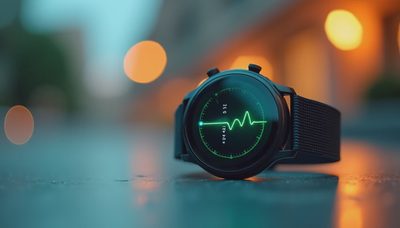
The same caution applies to a low reading that conflicts with your effort, especially if you feel dizzy or unusually weak. Wearables are not diagnostic devices. They can alert you to a pattern worth discussing, but they cannot determine whether an abnormal rhythm or heart condition is present.
I also pay attention to recovery. If your heart rate gradually falls after stopping, that is useful context. If it stays unexpectedly high while you are resting, or unusual readings keep appearing across several days, save the data and discuss it with a qualified professional rather than searching for reassurance in watch forums.
A calmer way to read your watch
Start by recording the device, activity, temperature, duration, and how the effort felt. Compare similar workouts instead of comparing a cool morning jog with a hot afternoon climb. Use a chest strap when interval accuracy matters. Recheck the band position before assuming your physiology changed overnight.
Most importantly, do not let an estimated maximum heart rate dictate every workout. The number can guide training, but breathing, symptoms, recovery, and consistency are more valuable than a dramatic peak. Your watch is a helpful observer, not the coach in charge.
Maximum heart rate becomes useful when it is treated as one piece of evidence. Learn your normal patterns, question isolated spikes, and get medical guidance when symptoms or repeated irregular readings enter the picture. That approach gives you better training decisions without turning every flicker on your wrist into a crisis.



No letters yet — pray write the first.