If you have searched for stages of sleep after checking a Garmin, Apple Watch, Fitbit, or Oura Ring, you are probably looking at a colorful chart that seems more precise than it really is. The stages of sleep are real changes in brain and body activity, but your wrist is making an educated estimate rather than directly measuring your brain. That distinction matters.
I spent years in cardiac rehab watching people panic over numbers that needed context, not fear. Sleep data deserves the same calm approach. Your tracker can reveal useful patterns, especially when you compare several weeks. It cannot diagnose a sleep disorder from one restless Tuesday night.
The four stages of sleep, explained simply
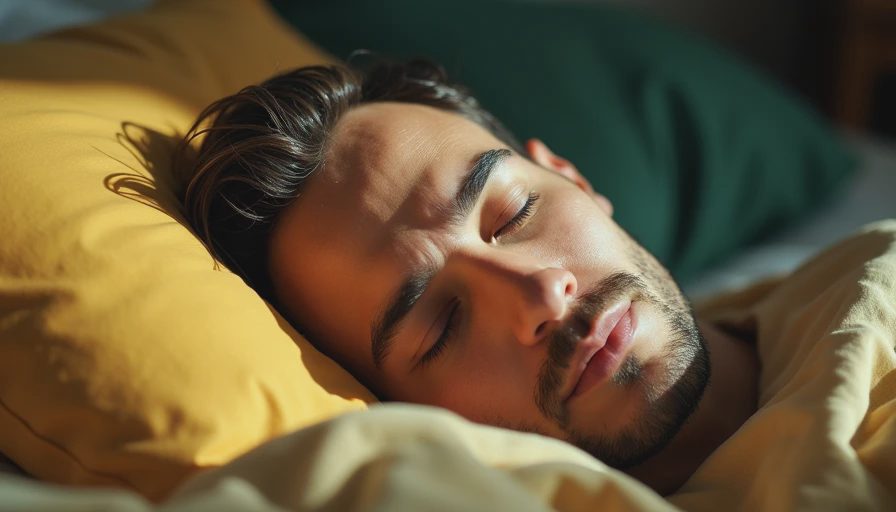
Sleep is usually described as four stages: three non-REM stages and one REM stage. You move through them in repeating cycles rather than completing each stage once and staying there. A typical cycle lasts roughly 70 to 120 minutes, and several cycles occur during the night.
Stage 1 is the brief transition from wakefulness to sleep. Your muscles begin to relax, your breathing slows, and you can wake easily. If you have ever felt as though you were falling just as you drifted off, you were probably near this transition.
Stage 2 is a more stable form of light sleep. Heart rate and body temperature generally drop, muscles relax further, and the brain produces short bursts of activity associated with maintaining sleep. Adults often spend a large portion of the night in this stage. “Light” does not mean useless; it is normal, necessary sleep.
Stage 3 is deep, or slow-wave, sleep. This is the most physically restorative portion of the night, when breathing and heart rate are slower and the body handles much of its repair work. Deep sleep is often concentrated earlier in the night, so a late bedtime or shortened night can reduce it.
REM sleep is the stage most associated with vivid dreaming. Brain activity becomes more active, breathing can become irregular, and most muscles remain temporarily relaxed. REM periods tend to become longer toward morning, which is one reason an early alarm can cut into them.
Why sleep cycles matter more than a perfect score
The stages of sleep are not separate quality grades. You do not “win” by maximizing deep sleep and eliminating light sleep. In fact, a healthy night includes all of them in changing proportions. The goal is enough total sleep with reasonably continuous cycles, not a screenshot that looks perfect.
For an adult, seven to nine hours is a commonly used general sleep range, but individual needs differ. A runner handling a hard training block may feel better with more time in bed. A parent with young children may have a shorter, interrupted night and still function well the next day. Context beats a single target.
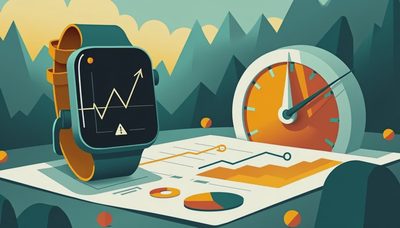
Wearables estimate the stages of sleep using movement, heart rate, heart-rate variability, and sometimes skin temperature or blood oxygen readings. They do not use an electroencephalogram, the brain-wave measurement used in a sleep laboratory. A watch can often identify when you are awake versus asleep reasonably well, but distinguishing light sleep from deep or REM sleep is harder.
That is why two devices can give you noticeably different results. One might call a quiet period deep sleep while another labels it light sleep. The disagreement does not automatically mean one device is broken. It means the algorithms are interpreting indirect signals.
How to read your wearable without spiraling
Start with total sleep time and the shape of your night. Did you fall asleep near your usual time? Were there long awake periods? Did your heart rate stay unusually high? Those broad signals are usually more actionable than whether your watch reported 58 minutes or 1 hour 12 minutes of deep sleep.
Next, compare trends across at least two or three weeks. Look for changes after late alcohol, a heavy meal, stressful work, travel, illness, or an unusually hard workout. A consistent reduction in sleep duration paired with poor daytime energy matters more than one low stage estimate.
The stages of sleep can also help explain a morning that feels different. A short night may remove part of the later REM-rich period. A delayed bedtime may reduce early-night deep sleep. Neither explanation needs to be perfect to be useful; you are looking for repeatable relationships between behavior and how you feel.
I also recommend comparing the device with your own notes. Write down bedtime, wake time, exercise, caffeine after lunch, and a simple morning energy rating. After a few weeks, the pattern is often clearer than the app’s readiness label. Trust the trend, not the reading.
What different brands get right and wrong
Apple Watch, Garmin, Fitbit, and Oura can all provide helpful sleep summaries, but none should be treated as a portable sleep laboratory. Oura puts a strong emphasis on overnight trends and recovery, while Garmin connects sleep information with training load and body battery-style guidance. Fitbit presents sleep stages in an accessible way, and Apple Watch fits sleep tracking into a broad health ecosystem.
The best choice is usually the device you will wear consistently and charge without turning it into a daily project. A $200 tracker that records most nights can be more useful than a $500 watch left on a dresser because you forgot its charger. Comfort, battery life, and a clear app matter more than an impressive list of sensors.
Be cautious with labels such as “sleep debt,” “optimal,” or “readiness.” They can summarize useful information, but they are not medical verdicts. A low score after a late night is unsurprising. A low score can also reflect a loose band, unusual movement, poor sensor contact, or an algorithm that misread quiet wakefulness as sleep.
When sleep data deserves professional attention
The stages of sleep themselves are not a diagnosis. If you repeatedly snore loudly, wake gasping, experience witnessed breathing pauses, or feel dangerously sleepy during the day, discuss those symptoms with a qualified clinician. A tracker can support that conversation, but it should not be the reason you dismiss symptoms or panic over a graph.
Likewise, persistent insomnia is about more than a low sleep score. If falling asleep or staying asleep is affecting work, driving, mood, or training for weeks, seek help rather than endlessly changing your bedtime routine based on an app. The right evaluation may involve sleep history, medication review, or formal testing.
A practical way to improve your nights
Choose one variable for seven nights. Keep your wake time steady, move caffeine earlier, dim bright screens before bed, or finish hard exercise farther from bedtime. Do not change five habits at once; otherwise, you will not know what helped. Review your total sleep, awakenings, morning energy, and workout quality at the end of the week.
Most people benefit more from a consistent schedule, a cool dark room, and enough time in bed than from buying a new sensor. The stages of sleep are useful when they turn vague fatigue into a sensible experiment. They are noise when every nightly variation becomes a reason to worry.
Your wearable is a trend tool, not a judge. Let it show you patterns, combine those patterns with how you actually feel, and make small changes you can repeat. That is the honest value of sleep tracking.



No letters yet — pray write the first.