If you are searching for how to lower heart rate, start by pausing before you chase a number. Heart rate rises for ordinary reasons: a brisk walk, caffeine, heat, stress, poor sleep, dehydration, or an intense workout. A smartwatch can show that your pulse is elevated, but it cannot always explain why. The useful question is whether the number fits what your body is doing and whether it returns toward normal when you rest.
I spent eleven years in cardiac rehabilitation, where people regularly panicked over one high reading. The pattern was usually less dramatic than the screen suggested. Trust the trend, not the reading. First, sit quietly for five minutes, relax your shoulders, and measure again. If you have chest pain, severe shortness of breath, fainting, confusion, or a new irregular heartbeat, do not try to manage the situation with a breathing exercise. Seek urgent medical help.
How to lower heart rate in the next five minutes
The quickest useful step is to remove the trigger. Stop exercising, move to a cooler place, loosen tight clothing, and sit with both feet on the floor. If you are overheated or have been sweating, take small sips of water. Avoid gulping a large amount quickly, especially if you have been told to restrict fluids.
Next, slow your breathing without forcing it. Inhale gently through your nose for about four seconds, then exhale for five or six seconds. Repeat for two to five minutes. A longer, comfortable exhale can encourage the body’s calming response, but this is not a contest. If you feel lightheaded, return to normal breathing.
Progressive muscle relaxation can help when tension is driving the rise. Briefly tighten your hands, release them, then work through your shoulders, jaw, and legs. The goal is to reduce the physical signs of stress, not to make your pulse hit a particular target. Recheck after several minutes rather than staring at the live display.
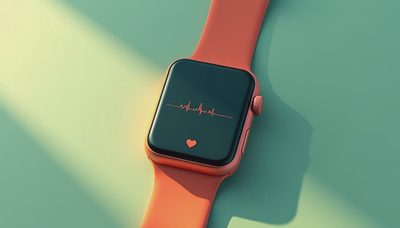
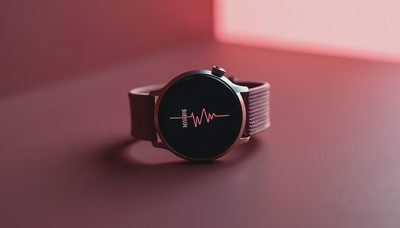
A wearable can help you see whether the trend is moving down, but wrist sensors are less reliable during movement, shivering, loose band placement, or heavy sweating. For a surprising result, count your pulse manually for 30 seconds and double it. An upper-arm blood pressure monitor with a pulse reading can offer another comparison at home.

How to lower heart rate through daily training
Long-term improvement comes from making ordinary activity easier for your cardiovascular system. Walking, cycling, swimming, and easy running can all help build aerobic fitness. Start with a pace at which you can speak in complete sentences. For a busy adult, 20 to 30 minutes on most days is a realistic starting point, even if that means three ten-minute walks.
Do not turn every session into a test. I have coached runners who made faster progress by slowing down. If your easy pace constantly feels hard, add rest days and reduce intensity. A simple week might include three comfortable walks, one short strength session, and one optional session with a few faster intervals after several weeks of consistency.
Strength training also matters because stronger muscles can make daily tasks less demanding. Two sessions each week can include squats to a chair, a hip hinge, wall pushups, rows with a resistance band, and calf raises. Use controlled repetitions and stop before your form breaks down. Fitness is built by repeatable work, not by one heroic workout followed by four days of soreness.
Sleep is another overlooked lever. A short night can raise perceived effort and make a normal workout produce an unusually high pulse. Keep a regular wake time, limit late caffeine, and give yourself a quiet wind-down period. These steps will not create an instant change, but they often improve resting trends over several weeks.
What your smartwatch can and cannot tell you
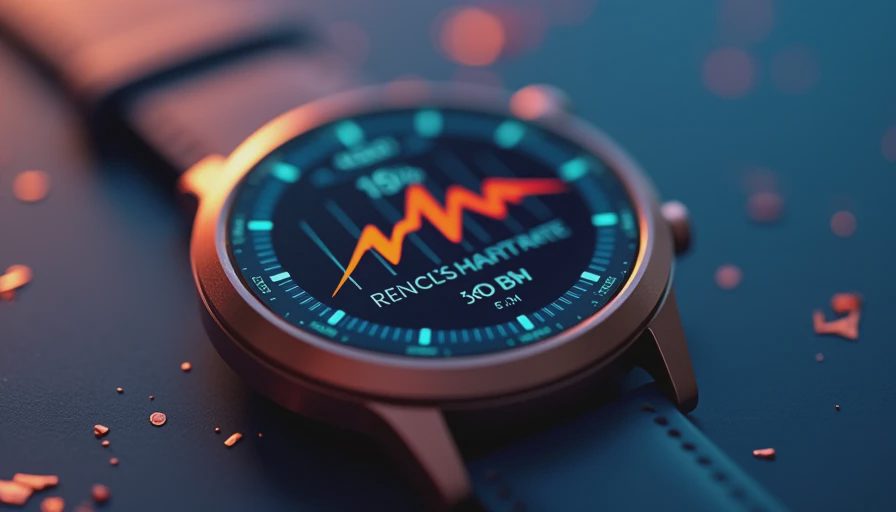
The best answer to how to lower heart rate is not always found in a watch setting. Apple Watch, Garmin, Fitbit, and Oura devices can help reveal resting-heart-rate patterns, sleep changes, and unusually demanding workouts. They are useful when you compare similar conditions: the same time of day, before breakfast, after sitting quietly, and with the same sensor fit.
They are not medical-grade answers for every situation. Optical sensors estimate pulse from blood flow at the skin, so tattoos, cold hands, motion, sweat, and a loose band can interfere. A reading of 110 after climbing stairs means something different from 110 while sitting quietly. Record context beside the number: sleep, caffeine, exercise, illness, stress, and temperature.
I prefer a seven-day view over a single alert. If your resting heart rate is usually in the low 60s and sits in the 70s for several mornings, that can reflect poor recovery, alcohol, illness, or accumulated training. It is a reason to review the basics and reduce intensity, not an automatic diagnosis. The same principle applies to heart-rate variability: useful as a personal trend, weak as a standalone verdict.
When an elevated pulse deserves attention
There is no single resting heart rate that defines health for everyone. Fitness, age, medication, temperature, pregnancy, stress, and medical conditions all affect it. Many adults have a resting pulse between 60 and 100 beats per minute, but your usual baseline matters more than a universal ideal. Some trained athletes sit below that range without symptoms.
Contact a clinician if your resting pulse is repeatedly higher than usual, remains elevated without an obvious reason, or comes with unusual fatigue, dizziness, breathlessness, or reduced exercise tolerance. Ask about medications and supplements too. Decongestants, stimulant products, some asthma medicines, thyroid medication, and high caffeine intake can affect pulse.
Call emergency services for chest pressure or pain, fainting, severe breathing trouble, blue lips, sudden confusion, or a fast or irregular heartbeat with significant symptoms. Do not drive yourself if you feel unsafe. A smartwatch notification can be useful information for a clinician, but it should not delay urgent care or replace an examination and an electrocardiogram when those are needed.
A simple plan for calmer readings
To practice how to lower heart rate safely, measure under consistent conditions for one week. Take a morning reading after using the bathroom, before caffeine, and after sitting quietly. Write down sleep length, exercise, alcohol, illness, and stress. Look for a pattern rather than reacting to each fluctuation.
If the trend is higher, make the first changes boring and practical: hydrate normally, sleep on a schedule, take easy walks, and pause hard training for a day or two. Use slow breathing when stress is clearly involved. Then compare again under the same conditions.
A wearable should change what you do, not simply count what you did. Use it to notice recovery, choose an appropriate workout, and bring useful questions to a clinician. When symptoms are present or the change persists, professional evaluation beats any app, ring, or watch. That is the grounded way to learn how to lower heart rate without letting a number run your day.
No letters yet — pray write the first.