Finding the best wrist watch for running is less about buying the most expensive device and more about choosing the tool you will actually wear on a dark Tuesday morning. I have spent years coaching everyday runners and wearing GPS watches for weeks at a time, not just long enough to photograph the unboxing. The useful questions are simple: Does the GPS track your route reliably? Is the watch comfortable? Can you read the screen while moving? Does the data help you train, or does it simply create another inbox of numbers?
My short answer is that Garmin, Apple, Coros, and Polar all make capable running watches. The best choice depends on whether you want a focused training instrument, a general smartwatch, or an affordable way to record distance and pace. You do not need a flagship model to run consistently. A dependable midrange watch and a comfortable pair of shoes will usually do more for your progress than a premium titanium case.
What runners should prioritize first
Start with GPS reliability. A running watch should lock onto satellites quickly and hold a reasonable track through neighborhoods, parks, and tree cover. No wrist device is perfect between tall buildings or under dense forest, but a good model should not turn a straight mile into a zigzagging 1.3-mile adventure. Dual-band GPS, found on models such as the Garmin Forerunner 265 and Coros Pace 3, can improve tracking in difficult environments.
Battery life matters because charging is friction. If you run four times a week, a watch that lasts several days in smartwatch mode and many hours with GPS is far less annoying than one that needs nightly attention. Think about your longest event, too. A marathoner needs more GPS reserve than someone whose longest weekly run is 45 minutes.
Fit is physiology, not decoration. A loose sensor can produce erratic heart-rate readings, especially during intervals when your pulse changes quickly. A watch should sit snugly above the wrist bone without leaving your hand numb or your skin irritated. Smaller cases are often more comfortable overnight, while larger displays are easier to read during a run.
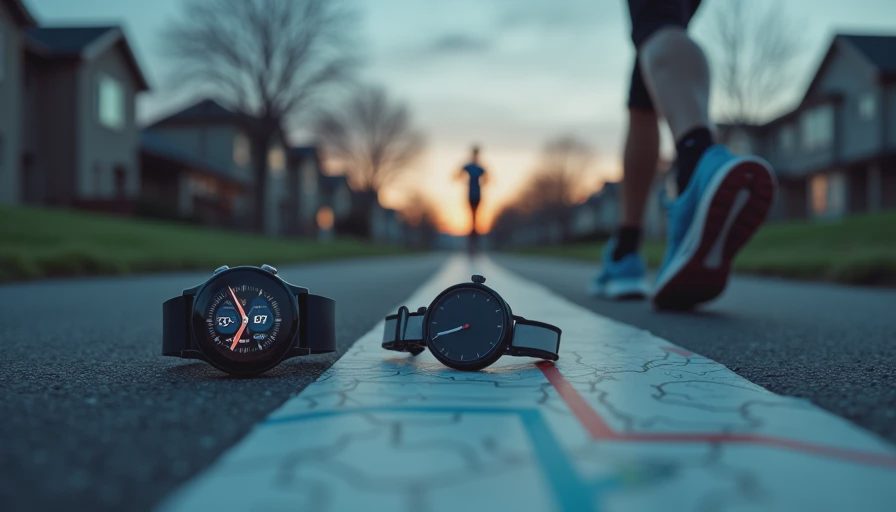
The best wrist watch for running by type of runner
For a runner who wants training features without phone distractions, the Garmin Forerunner 265 is one of the safest recommendations. Its bright AMOLED display, structured workouts, recovery information, and broad accessory support make it useful for beginners and experienced runners. Garmin's menus take some learning, but the platform rewards people who enjoy reviewing trends over several weeks.
The Coros Pace 3 is a strong value choice. It is light, focused, and generally offers excellent battery life for its price class. The screen and smartwatch features are less luxurious than an Apple Watch, but that is part of the appeal. If you want to press a button, run, save the activity, and get on with your day, this is close to the best wrist watch for running without spending premium money.
Apple Watch models suit runners who want one device for communication, music, payments, health features, and workouts. GPS and heart-rate tracking are useful, and the workout interface is easy to understand. The tradeoff is battery management. Depending on the model and settings, frequent GPS use can require more charging than a dedicated Garmin or Coros device. That is not a dealbreaker, but it should be part of the purchase decision.
The Polar Pacer Pro deserves attention from runners who prefer training guidance and a clean interface. Polar has a long history in heart-rate monitoring, and its ecosystem emphasizes workouts, recovery, and training load rather than endless smartwatch extras. A basic Garmin Forerunner 55 can also be enough for a new runner who mainly needs pace, distance, heart rate, and interval alerts.
Do not overvalue wrist heart rate
Heart rate is useful, but it is not a medical verdict. Optical sensors estimate pulse by detecting changes in blood flow at the skin. They can struggle with cold weather, dark tattoos, loose bands, vigorous arm movement, and rapid interval changes. When accuracy matters for a specific workout, a compatible chest strap generally responds faster and more consistently.
For easy running, wrist heart rate is often good enough to show broad patterns. If your easy pace produces a similar effort and heart-rate range across several weeks, that trend can guide training. One strangely high reading after poor sleep, caffeine, heat, or a stressful morning is not a diagnosis. Trust the trend, not the reading.
This is where the best wrist watch for running should help rather than alarm you. Recovery scores, training readiness, and sleep estimates can offer useful prompts, but they are not instructions from your body carved in stone. I use them as context alongside breathing, leg heaviness, mood, and recent workload. If a watch says you are ready for speed work but your legs feel flat, the legs get a vote.
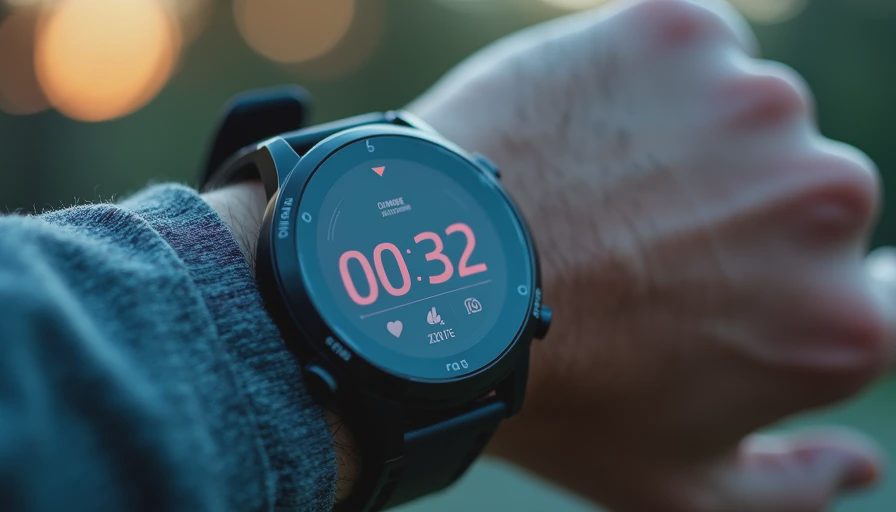
Features worth paying for and features worth skipping
Pay for reliable GPS, physical buttons, readable screen brightness, comfortable weight, and battery life that fits your routine. Training plans, interval builders, breadcrumb navigation, and support for a chest strap can also justify a higher price. These features change what you do: they can make a workout easier to follow or help you stay on course during a long trail run.
Be cautious with calorie estimates. A watch can estimate energy expenditure, but it does not know your exact metabolism, food absorption, or every movement you made away from the wrist. I would never use a calorie number to decide whether you earned dinner. Sleep staging deserves similar restraint. Sleep duration and regular bedtime are often more actionable than debating whether the watch labeled a particular 42-minute block as deep sleep.
Smartwatch extras are personal. Maps, calls, music storage, and contactless payments can be genuinely convenient. On the other hand, a premium case, animated watch face, or constantly changing stress score is unlikely to improve your running. The best wrist watch for running is the one whose important features remain easy to use when you are tired, wet, and trying to get home before work.
How to choose in five minutes
First, decide whether you need an iPhone-centered smartwatch or a dedicated running platform. Apple Watch is the natural fit for many iPhone owners who want one device. Garmin, Coros, and Polar make more sense when training and battery life come first.
Next, list your longest likely activity and choose battery capacity around that reality, not an imaginary ultra. Then try the watch on if possible. Check whether you can read pace without stopping, operate buttons with sweaty fingers, and wear it comfortably for an hour.
Finally, compare the total cost. A $200 to $350 watch that meets your needs is often a smarter purchase than a $600 model with features you will never open. Add the cost of a chest strap, replacement bands, or a subscription if those matter to you. The best wrist watch for running should fit both your wrist and your budget.
My practical recommendation
For most everyday runners, I would start with the Garmin Forerunner 265, Coros Pace 3, Apple Watch, Polar Pacer Pro, or Garmin Forerunner 55, depending on budget and phone preference. None is universally best. The right model is the one that gives you dependable distance, clear pace, sensible workout tools, and enough battery to avoid daily frustration.
Wear it for a month before judging every metric. Learn which numbers help you pace an easy run and which merely invite worry. A watch cannot replace consistent training, recovery, or attention to symptoms. It can remove guesswork, keep a workout organized, and show patterns you would otherwise miss. That is enough. Choose the best wrist watch for running by asking what will make your next hundred runs easier, not what looks most impressive in a product comparison.

No letters yet — pray write the first.