After eight years of wearing fitness trackers and coaching everyday runners, I have learned that recommended running watches are not necessarily the watches with the longest feature list. The right choice records a dependable route, gives you useful pacing information, and stays comfortable when your training week gets busy. Everything else is secondary.
I test watches for weeks, not just through an exciting unboxing afternoon. I run in rain, charge them after a long workday, compare wrist heart rate with how the effort actually feels, and wear them overnight. My basic rule is simple: a watch should change what you do, not merely count what you did. Trust the trend, not the reading.
What matters in a running watch
Start with the training problem you want to solve. If you are preparing for a first 5K, you probably need accurate GPS, readable pace, interval support, and a battery that will not die halfway through a long run. If you are training for a marathon, structured workouts, recovery guidance, navigation, and long battery life become more important.
Heart-rate data is useful, but it is not a verdict on your health. Wrist sensors generally behave best during steady aerobic running and can struggle with cold skin, loose bands, intervals, or rapid changes in effort. A chest strap remains the better tool when precise workout intensity matters. For most recreational runners, a watch that shows a sensible heart-rate trend is enough.
I also look at buttons, screen visibility, charging, and phone compatibility. Physical buttons are excellent in rain or when your fingers are sweaty. A bright AMOLED display is attractive, but a simple always-on screen can be easier to read in direct sunlight and less demanding on the battery. These details matter more than a flashy readiness score.
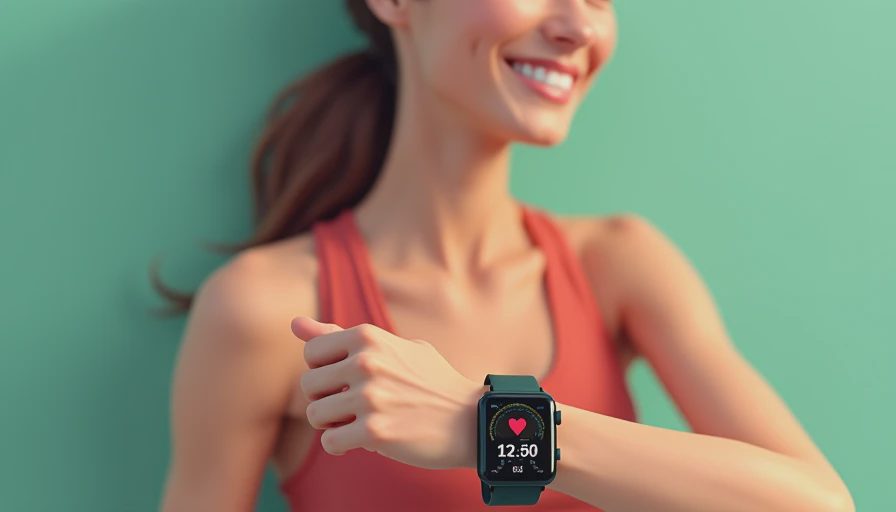
My recommended running watches by runner type
For a runner who wants the safest all-around choice, the Garmin Forerunner 265 is a strong place to start. It has reliable GPS, excellent workout configuration, useful training summaries, and a lightweight design. The AMOLED display is sharp, and the buttons remain practical during a run. It is not inexpensive, but it avoids many compromises that become annoying after several months.
The Coros Pace 3 is one of my favorite values among recommended running watches. It is light, straightforward, and usually priced below premium competitors. Battery life is a major strength, and the controls make sense quickly. Coros training tools are especially appealing to runners who want focused data rather than a watch that tries to become a second phone. The display and smart features are less luxurious than those on an Apple Watch, which is exactly the point for some people.
The Apple Watch Series 9 or a newer standard Apple Watch is a sensible option for iPhone users who want one device for running, messages, music, payments, and everyday life. Workout tracking is easy to start, the screen is excellent, and third-party apps expand its training options. Battery life is the tradeoff. If you forget to charge it regularly, a dedicated running watch will be less frustrating.
Polar Pacer Pro deserves attention from runners who enjoy training structure and a quieter interface. Polar has long emphasized workout planning and recovery concepts without making the watch feel like a miniature social network. Garmin, Coros, Apple, and Polar all produce useful tools; the best choice depends on whether you value battery, phone integration, coaching detail, or simplicity most.
Recommended running watches for beginners
Beginners should resist paying for features they will not use. A capable entry-level Garmin Forerunner, Coros Pace 3, or older-generation model can handle GPS, pace, distance, intervals, and basic sleep tracking. Spending $200 to $350 can buy a durable training companion without committing to a $600 flagship.
A beginner does not need running dynamics, advanced maps, or a daily score that changes color every morning. The first useful habit is looking at weekly consistency: how often you ran, how long your easy runs lasted, and whether your effort felt manageable. A watch can support that habit, but it cannot replace it.
When I help new runners choose recommended running watches, I ask three questions. Do they use an iPhone or Android phone? Do they want music and notifications on the wrist? Will they wear the device overnight? The answers usually narrow the field faster than a comparison chart. If sleep comfort matters, choose the lighter watch and the softer band, even if another model has more sensors.
What I ignore in watch marketing
Calories are estimates, not permission slips or grades. A watch may calculate energy expenditure from movement, heart rate, body size, and personal settings, but the number is not precise enough to micromanage meals. I prefer using the data to notice broad patterns, such as whether a long run leaves you unusually tired or whether your easy days are becoming too hard.
The same caution applies to recovery and readiness scores. They can combine sleep, recent training, heart rate, and heart-rate variability into a convenient summary. That can be useful when it agrees with your experience. It becomes noise when a green score encourages a hard workout despite heavy legs, illness, or poor concentration. Recommended running watches should inform judgment, not overrule it.
Sleep stages are another area where people often expect too much. Consumer watches can help show bedtime consistency and broad sleep duration, but they are not clinical sleep laboratories. If a number makes you anxious every morning, stop checking that number. Better sleep usually comes from a regular schedule, less late caffeine, and a cool dark room—not from buying a more expensive watch.

How to choose without overspending
Set a budget before opening comparison pages. Under $250, prioritize GPS reliability, basic workout support, comfort, and battery life. Around $300 to $450, you can usually find a refined display, better training tools, and stronger multisport support. Above that range, you are often paying for maps, premium materials, deeper navigation, cellular connectivity, or specialized sensors.
Look for sales on last-generation models. Garmin and Apple regularly leave older watches in the market after new releases, and those older devices can remain excellent for everyday training. A discount of $50 to $150 is more meaningful than a minor processor upgrade you will never notice during a run. Check warranty coverage and battery condition when considering refurbished equipment.
Before buying, confirm phone compatibility, music requirements, band replacement cost, and charging habits. A watch that lasts ten days but requires a proprietary cable you always lose may be less convenient than a two-day device that charges on your desk. Small friction determines whether you actually wear the product.
My practical buying recommendation
For most runners, I would begin with the Garmin Forerunner 265 or Coros Pace 3, depending on budget and desired battery life. Choose the Apple Watch if your phone integration and daily smart features matter more than multi-day endurance. Choose Polar when structured training and a calm interface appeal to you.
The best recommended running watches disappear into your routine. They show pace when you need pace, record a route without drama, and leave you enough battery for tomorrow. They do not need to diagnose every variation in your body. Pick the watch that supports the behavior you want to repeat, then spend more time running than comparing specifications.

No letters yet — pray write the first.