The best running watches are not necessarily the most expensive or the ones with the longest feature list. After eight years wearing more than 30 wrist devices, I have learned that a useful running watch should answer a few practical questions: How far did I run? How hard was that effort? Can I repeat it tomorrow without digging myself into a recovery hole? Everything else is secondary.
I coach everyday runners, not professional athletes, and most people do not need a laboratory on their wrist. They need dependable GPS, readable workout screens, sensible heart-rate data, and enough battery to avoid charging before every long run. I also spent eleven years in cardiac rehab, where I watched people worry about single readings that meant very little without context. Trust the trend, not the reading.
What to look for before buying
Start with GPS quality. A watch that records a smooth route and locks onto satellites quickly is more valuable than one with ten obscure performance scores. Garmin, Apple, Coros, and Suunto all offer capable GPS watches, although tall buildings, tree cover, and weather can affect any device. For ordinary road running, even a midrange model is usually accurate enough to guide pace and distance.
Battery life matters in proportion to how you train. A runner doing three short weekday runs can live comfortably with an Apple Watch or smaller Garmin that needs regular charging. Someone preparing for a marathon, ultramarathon, or weekend hiking trip will appreciate the longer endurance of a Coros Pace 3, Garmin Forerunner 255, or similar model. The best running watches disappear into your routine instead of creating another chore.
Look closely at the physical controls. Touchscreens are attractive in a store, but wet fingers, gloves, sweat, and cold weather can make buttons much easier to use. Garmin and Coros generally make workout control straightforward with buttons. Apple Watch offers a polished interface and excellent everyday usability, but many runners still prefer physical controls when starting intervals at speed.
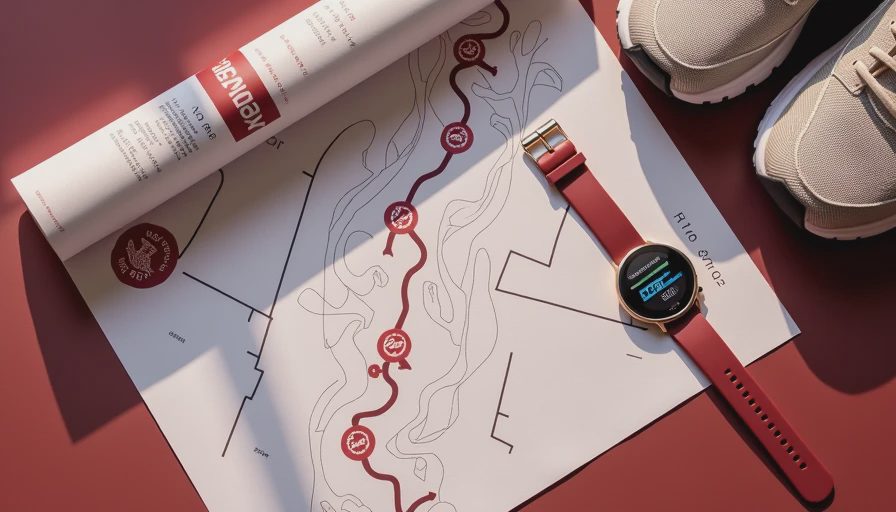
Best running watches for different runners
For a runner who wants training depth without spending flagship money, the Garmin Forerunner 255 remains a sensible benchmark. It provides structured workouts, strong battery life, reliable pace information, and useful recovery guidance. The newer Forerunner 265 adds a bright AMOLED screen, but the older display is perfectly readable and often costs less during sales. You are paying for training tools, not jewelry.
The Coros Pace 3 is another strong choice for runners who value low weight and long battery life. Its menus are less familiar than Garmin's for some users, but the watch is efficient and focused. Coros training plans and workout tools are useful for runners who like structure, while the simple hardware keeps the price below many premium models. Among the best running watches, this is the one I would show first to someone who wants a dedicated training device without unnecessary extras.
Apple Watch is a good fit when running is only one part of your day. It handles calls, messages, music, payments, health tracking, and route recording in a way dedicated watches do not always match. The tradeoff is charging frequency and a less specialized training experience unless you use an app such as WorkOutDoors, Nike Run Club, or Runna. It is especially convenient for runners already using an iPhone.
Garmin's higher-end Forerunner 965, Fenix, and Epix lines add maps, advanced navigation, larger screens, and more training data. Those features are useful for trail runners and athletes who enjoy analyzing load, recovery, and workout history. They are not automatically useful for a person running four miles after work. A $400 watch that gets worn consistently beats an $800 watch left in a drawer.
Heart rate, recovery, and the numbers that matter
Wrist heart-rate sensors are helpful for broad effort guidance, but they are not perfect. Movement, loose bands, cold skin, tattoos, and intervals can produce strange spikes or delayed readings. For easy runs, steady aerobic work, and long-term trends, the optical sensor is usually adequate. For precise interval work or training by heart-rate zones, a chest strap remains more dependable.
Recovery scores deserve a calm interpretation. Sleep duration, resting heart rate, heart-rate variability, recent training, and stress can all influence the number. A poor score after a late night is not a diagnosis, and a great score does not guarantee that your legs are ready for hill repeats. Look for repeated changes over several days, then compare them with how you feel, how you are sleeping, and how your easy pace behaves.
The best running watches can estimate training load and suggest recovery time, but these are coaching prompts rather than medical instructions. If a watch shows an unusual heart-rate pattern alongside chest discomfort, faintness, or severe shortness of breath, stop exercising and seek appropriate medical care. Do not use a wearable to talk yourself out of symptoms, and do not let one odd number frighten you.
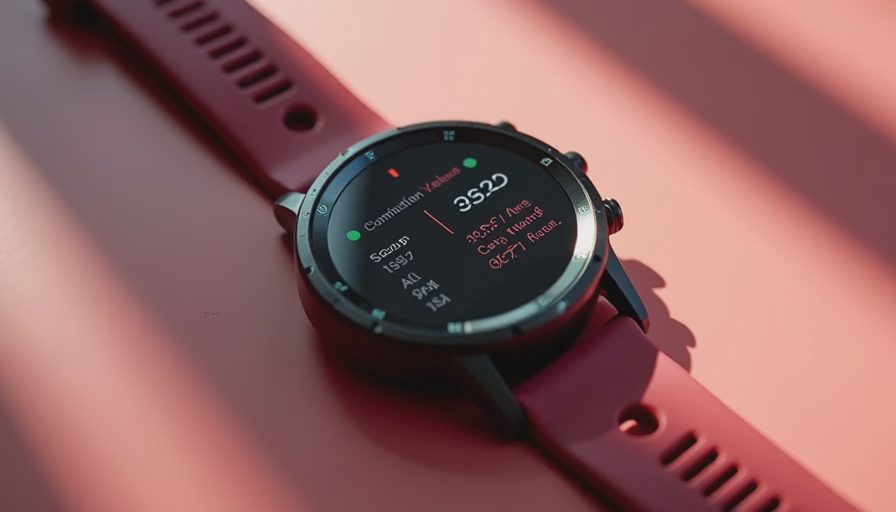
Features worth paying for
Maps are worth the extra cost if you run unfamiliar trails, travel frequently, or dislike carrying a phone. They are less important if every run starts at the same neighborhood intersection. Music storage is convenient for runners who want to leave the phone at home, but verify whether your preferred service, such as Spotify or Apple Music, works with the watch before buying.
Training plans can be genuinely useful when they fit your life. A plan that schedules a hard workout after a poor night of sleep is not automatically smarter than your own judgment. I prefer systems that let me move a workout, shorten it, or substitute an easy run. The best running watches support decisions rather than pretending to make them for you.
Do not pay extra for calorie precision. Watches estimate energy expenditure using body details, heart rate, movement, and formulas, but the result is not a kitchen scale for your metabolism. Use the number as a rough comparison between similar activities, not permission to eat or a reason to restrict food. Pace, consistency, sleep, and enjoyment are better measures of whether your training is working.
How to choose without overspending
First, decide whether you need a smartwatch or a running watch. If messages, apps, payments, and daily convenience come first, Apple Watch is a reasonable starting point for iPhone owners. If training, battery life, buttons, and recovery tools come first, look at Garmin or Coros.
Next, set a realistic budget. Around $200 to $350 can buy a highly capable dedicated running watch, especially during seasonal sales. Spending $500 or more makes sense when you need maps, premium materials, advanced navigation, or a brighter display. It rarely makes sense simply because a product is newer.
Finally, consider comfort. Measure the watch against your wrist, check the strap, and think about sleeping in it. A watch that irritates your skin or catches on a jacket will not produce useful long-term data. The best running watches are the ones you wear for easy runs, bad-weather runs, and ordinary Tuesdays.
My practical shortlist
For most runners, I would begin with the Garmin Forerunner 255 or 265, depending on screen preference and price. I would choose the Coros Pace 3 for low weight and strong battery performance. I would choose Apple Watch when running needs to coexist with a full smartwatch lifestyle. Trail runners and serious navigators should consider a higher-end Garmin, Suunto, or Coros model with maps.
You do not need every metric to become a better runner. Pick the watch that makes the right behaviors easier: consistent easy days, purposeful hard workouts, enough sleep, and patience when your body is tired. Compare current prices, check compatibility with your phone, and give yourself a week to learn the screens. The best running watches provide useful evidence, but you still supply the judgment.

No letters yet — pray write the first.