A fitness tracker for running should answer useful questions: How far did I go? What pace can I hold? Am I recovering well enough to train today? After eight years wearing more than 30 watches and trackers, I have learned that the best device is rarely the one with the longest feature list. It is the one that gives you dependable information without turning every ordinary workout into a medical event.
I coach everyday runners, not professional athletes. Most people I work with want to fit three or four runs around jobs, children, and an occasionally uncooperative knee. That changes how I judge a watch. Bright screens and animated badges are pleasant, but accurate distance, stable heart-rate data, sensible alerts, and a battery that lasts through the week matter more.
Start with GPS accuracy and pace stability
GPS is the foundation of a fitness tracker for running. If the distance is wrong, your average pace, splits, training load, and race predictions are built on a shaky base. Modern watches from Garmin, Coros, Apple, and Polar generally perform well in open areas, but tall buildings, tree cover, and sharp turns still create problems. No satellite system can see through every canyon of downtown concrete.
Look for a device that supports multiple satellite systems, such as GPS, Galileo, or GLONASS. Multi-band GPS, available on models including the Garmin Forerunner 265 and Apple Watch Ultra 2, can improve tracking in difficult environments. You do not automatically need it for neighborhood jogging, though. My older Garmin often records a nearly identical route to newer premium watches when I run on open roads.
The practical test is not one perfect activity. Record several familiar routes. Compare the total distance, corner behavior, and pace graph. A watch that suddenly reports a six-minute mile during a slow turn is less useful than one that stays boringly consistent. Trust the trend, not the reading.
Heart rate: useful information, not a verdict
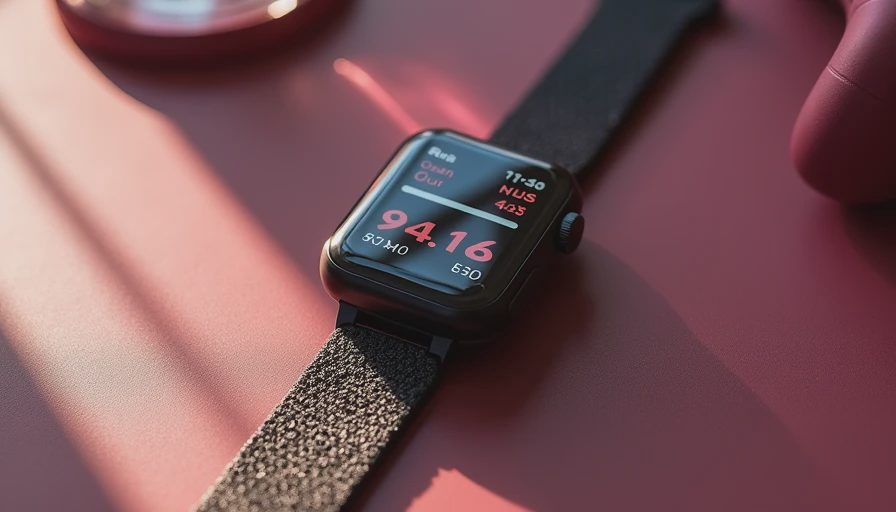
A fitness tracker for running can help you understand effort, but wrist-based heart rate is not an electrocardiogram. The sensor uses light to estimate blood flow near the skin. Loose bands, cold hands, sweat, dark tattoos, arm movement, and a rapid change in pace can all affect the result.
For easy runs, wrist heart rate is usually good enough to show whether your effort is broadly low, moderate, or high. It can also reveal patterns across weeks. If the same route and pace repeatedly produce a higher heart rate after poor sleep, heat, or a stressful week, that is useful coaching information.
For intervals, hills, or runners who want more precise timing, pair the watch with a compatible chest strap. A Polar H10 or Garmin HRM-Pro Plus typically responds faster than an optical sensor when effort changes quickly. I use the wrist sensor for relaxed runs and reach for a chest strap when prescribing short intervals. That is a practical upgrade, not a reason to replace a perfectly good watch.
Do not panic over one strange spike. A single reading is often sensor noise. If you experience chest pain, fainting, unusual shortness of breath, or symptoms that concern you, stop exercising and seek appropriate medical care rather than consulting a watch app.
Training features worth paying for
The best fitness tracker for running gives you a simple way to manage effort. Useful features include customizable data screens, lap buttons, vibration alerts, structured workouts, recovery prompts, and a clear view of weekly mileage. These tools can save mental energy on a dark morning when you would rather not calculate four-minute repeats in your head.
Garmin Forerunner watches are strong for training plans and detailed running metrics. Coros tends to emphasize long battery life and straightforward workout controls. Apple Watch offers excellent everyday smartwatch features, a bright display, and a large app ecosystem, although frequent GPS use can require more charging. Fitbit models can suit casual runners who also care about general activity and sleep trends, but their training depth is usually lighter.
You do not need running dynamics, race predictions, or a dozen recovery scores to become a better runner. A basic plan such as two easy runs, one quality session, and one longer outing can be managed with time and pace alone. Buy advanced features only when you can name the decision they will improve.
Battery life, comfort, and everyday ownership
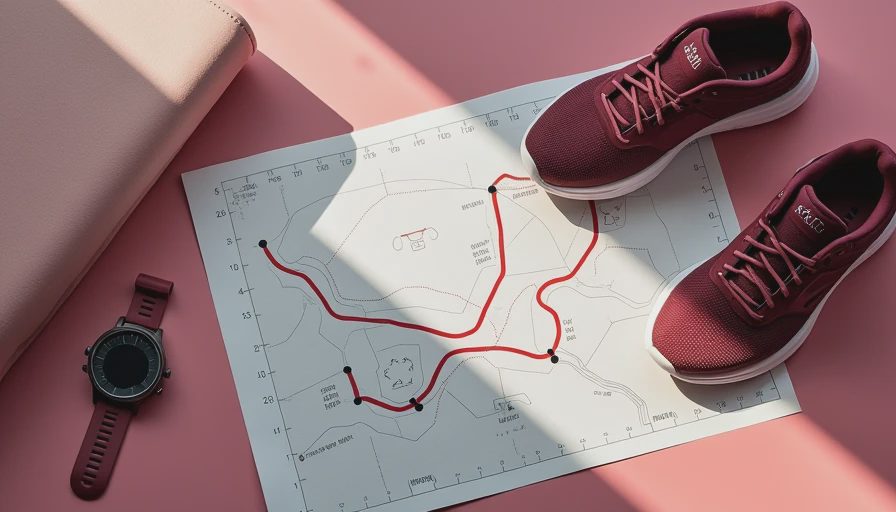
A fitness tracker for running is only helpful when it is charged and comfortable. Check the manufacturer’s GPS battery estimate, then assume real use will be lower if you enable music, notifications, an always-on display, or frequent health measurements. A watch promising several days of normal use may need charging every couple of days for a runner who records long activities.
Fit matters too. A heavy watch can bounce during a run, and a tight band can irritate the skin. Try wearing the device overnight before judging sleep features. The best sensor placement is snug enough to avoid movement but not so tight that your wrist feels compressed. For smaller wrists, compare case dimensions rather than relying only on the screen size.
Consider your phone. Apple Watch is most convenient for iPhone users, while Garmin and Coros work across major phone platforms. Music storage, contactless payments, mapping, and emergency features can be valuable, but each adds cost. A $150 to $250 running watch with reliable GPS may serve you better than a $600 flagship whose extra tools remain untouched.
How I would choose by runner type
For a new runner following a walk-run plan, choose a fitness tracker for running with dependable GPS, clear elapsed time, vibration alerts, and at least several days of battery life. You do not need advanced performance analytics. A Fitbit Charge, entry-level Garmin, or similar midrange device can provide plenty of guidance.
For a runner training by pace, prioritize a readable screen, fast lap control, custom workouts, and stable GPS. The Garmin Forerunner 165, Coros Pace line, and comparable Polar models are sensible places to start. Prices often land in the midrange rather than the luxury category, leaving room in the budget for good shoes.
For marathon preparation, battery life and structured workouts become more important. Make sure the watch can record your longest planned run with comfortable reserve. Navigation is valuable if you train on unfamiliar roads or trails, while running power is optional unless you already understand how you will use it.
For someone who wants one device for running, work, sleep, and messages, an Apple Watch or a higher-end Garmin may justify its price. Just remember that more data does not guarantee better decisions. A weekly review of pace, effort, sleep, and how your legs feel will beat compulsively checking every score.
A sensible buying checklist
Before purchasing a fitness tracker for running, write down your normal routes, longest expected activity, phone type, and charging tolerance. Decide whether you need music without a phone, navigation, or only pace and distance. Read long-term reviews that mention GPS behavior after weeks of use rather than relying on launch-day impressions.
Then compare the total cost. Include a replacement band, optional chest strap, subscription fees, and the likelihood that you will upgrade soon. Some platforms place deeper analysis behind a monthly membership; others include most training tools with the watch. A $200 device that you wear for three years is better value than an impressive model abandoned after three months.
Finally, use the tracker as a coach’s notebook, not a judge. Let it help you repeat useful training, notice fatigue, and celebrate consistency. Ignore the urge to chase every green score. Your breathing, legs, sleep, and motivation still belong in the decision. If the device helps you run with more confidence and less guesswork, it is doing its job.


No letters yet — pray write the first.