Running watches are easiest to judge on an exciting first run. The screen is bright, the GPS map looks convincing, and every metric feels useful. After several weeks, the truth is less glamorous: the best running watches are the ones that help you choose a sensible workout, pace a race, or leave hard training alone when your body needs recovery. I have worn enough devices to know that a long feature list is not the same thing as useful coaching.
My approach is simple. I wear a watch for weeks, compare its numbers with familiar routes and manual checks, and ask whether the data changes my behavior. I also keep an inexpensive Casio on my other wrist. It never vibrates, estimates recovery, or tells me my training readiness. It does, however, keep perfect time. That is a useful control.
Start with the problem you want to solve
Before comparing running watches, decide what you actually need during a normal week. A newer runner may want dependable distance, an easy-to-read pace screen, interval alerts, and enough battery for a weekend long run. A marathoner might care more about structured workouts, lap pace, navigation, and whether the device can last through a five-hour event. Someone who runs after work may value a strong flashlight, safety features, and clear buttons more than advanced running dynamics.
This distinction saves money. A $250 Garmin Forerunner 165, for example, can cover the basics very well for many runners, while a Garmin Forerunner 965 adds maps, a larger feature set, and a higher price. The Apple Watch Series 9 or newer models offer a polished daily smartwatch experience, especially for iPhone users, but their training and battery decisions differ from a dedicated Garmin or COROS. None is automatically best. The right choice depends on what you will use three months from now.
I would write down three must-have functions before opening a product page. If you cannot name them, you are probably shopping for specifications rather than solving a problem.

GPS accuracy is about patterns, not one strange mile
GPS accuracy matters, but runners often inspect it too closely. A watch can record a short route slightly long because of tree cover, tall buildings, sharp turns, or a poor satellite lock at the start. That does not make the entire device useless. On familiar roads, I care more about repeatable results than a single dramatic discrepancy.
For road training, running watches from Garmin, COROS, Apple, and Polar generally provide enough location data for pacing and distance. Dual-band GPS can improve tracking in difficult urban areas, although it is not magic. A watch still needs a clear signal, and a narrow canyon of buildings can confuse any receiver. Start the activity after the satellite indicator settles, and avoid judging accuracy from a route with heavy tree cover alone.
Pace is even trickier than distance. Instant pace can jump when the watch is calculating movement, while lap pace smooths those changes. During workouts, I usually display lap pace, elapsed time, heart rate, and distance. That is plenty. If you need five more data fields to decide whether you are running too hard, the screen is not the problem.
Heart rate and recovery numbers need context
Wrist-based heart rate is useful for easy running, steady efforts, and general trend tracking. It is less dependable during short sprints, cold weather, strength training, or workouts with repeated pace changes. A snug fit one finger above the wrist bone helps. If precise interval data matters, a compatible chest strap remains the better tool.
Running watches also estimate recovery time, training load, sleep, and readiness. These can help identify a pattern, but they are not medical instruments. A low readiness score after a poor night does not prove that something is wrong. A high score does not cancel sore legs, unusual breathlessness, or a lingering illness. In cardiac rehab, I saw people become anxious because a number looked unusual even when their body felt normal. The number deserved curiosity, not panic.
Trust the trend, not the reading. If your resting heart rate, sleep, mood, and workout performance all look worse for several days, adjust the plan and pay attention. If one metric is odd after a late dinner, ignore the drama.
Battery life changes how often you use the data
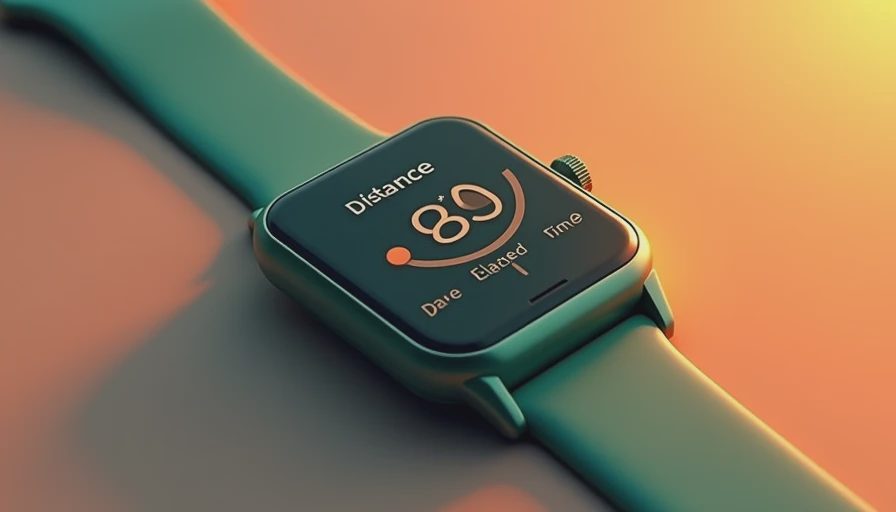
Battery is not a glamorous feature, but it is one of the most important. A watch that needs charging every day can lose sleep data and arrive empty when you need GPS. Apple Watch models are strong everyday smartwatches, but frequent GPS workouts and cellular use can make charging a routine. Garmin, COROS, and Polar generally offer dedicated running models with longer endurance, though exact battery life depends on GPS mode, music, maps, notifications, and screen settings.
Think in realistic situations. Can the watch record your longest planned run with plenty of reserve? Can you charge it while showering without missing a night? Will it survive a weekend trip without packing a cable? A quoted battery figure often describes a low-power mode, not your actual use. I prefer a device that gives me several days of ordinary wear and does not require careful battery management before every workout.
The features worth paying for
Pay extra for functions that remove friction from training. Structured intervals are valuable because the watch handles timing while you focus on effort. Navigation is useful if you run unfamiliar trails or travel often. Buttons are worth considering if you train in rain, wear gloves, or dislike swiping through screens with sweaty fingers. A readable display in direct sun matters more than decorative animations.
Music storage can be convenient, but it is not essential if your phone already comes along. Contactless payments, notifications, and calls may justify a smartwatch for some people, while others find them distracting. Running watches with advanced running dynamics can satisfy data enthusiasts, but most runners will improve more from consistent easy mileage and sensible strength work than from another specialized metric.
For value, compare the previous generation after a new model launches. Last year's Garmin or COROS often receives software updates and can deliver the core training experience for $100 to $200 less. Spend that difference on shoes, a race entry, or a coach before assuming the flagship will make you faster.
A practical buying checklist
When I test running watches, I use this short checklist:
- Wear it overnight for at least a week. Check comfort, skin irritation, and whether the strap stays secure.
- Run a familiar three-mile route several times. Look for consistency instead of one perfect track.
- Complete an interval workout. Test alerts, lap handling, button access, and heart-rate response.
- Record a long run. Note battery use, screen readability, and whether the data fields answer your questions.
- Review the app after a hard week. Useful trends should be easy to find, not buried under colorful charts.
- Turn off one notification category. If the watch becomes calmer and you lose nothing important, keep it off.
This process exposes the difference between a device that looks impressive in a store and one that fits your actual routine. Running watches should support the habit, not become a second job.
My bottom line after long-term wear
For most runners, the sensible choice is a midrange GPS watch with reliable buttons, clear pace fields, overnight comfort, and enough battery for the longest planned run. A Garmin Forerunner, COROS Pace, Polar Pacer, or Apple Watch can all make sense in the right ecosystem. You do not need the most expensive model to train intelligently.
The useful question is not which watch has the most metrics. Ask which information will change tomorrow's decision. Will you slow down an easy run, repeat a workout, move a session, or go to bed earlier because the data is clear? If yes, the watch is earning its place. If you spend more time interpreting scores than running, simplify the display and return to the basics. Good running watches disappear into the routine. That is usually the strongest recommendation I can give.

No letters yet — pray write the first.