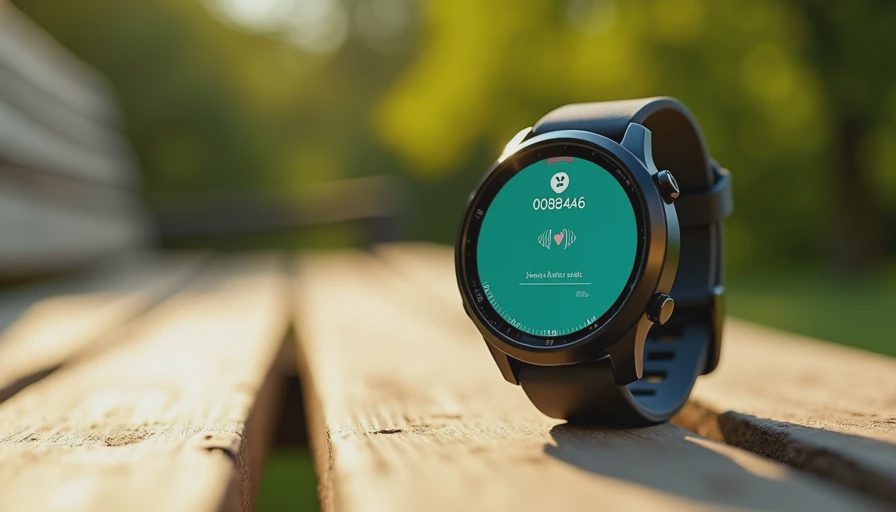
The Quiet Work That Makes Everything Else Possible
Most runners love the hard sessions. Intervals, tempo runs, and race-pace efforts feel productive. The steady, conversational miles that make up the majority of a well-built season feel less glamorous. Yet those base miles in Zone 2 are still the foundation that allows the harder work to land and produce adaptation instead of just fatigue.
I have coached enough athletes through full training cycles to know that the biggest limiter is rarely the quality of the hard days. It is the accumulation of too much moderate effort and not enough true easy volume. Wearables can help protect the base—or they can quietly erode it if the numbers are allowed to push every run into a higher gear.
What Zone 2 Actually Is
In practical terms, Zone 2 is the effort where you can speak in full sentences, your breathing stays controlled, and the pace feels sustainable for a long time. Physiologically it sits below the first major lactate threshold, where the body is primarily using fat for fuel and the stress on the system remains manageable.
The exact heart-rate numbers vary by person. What matters is the feeling and the ability to repeat the effort day after day without stacking fatigue. When Zone 2 is done correctly, the next day’s easy run still feels easy. When it drifts upward too often, the entire week begins to feel heavier.
How Wearables Help—and How They Get in the Way
A good watch makes it simple to see whether you are actually staying in the intended zone. It records the time spent in each band and shows the trend across weeks. That information is useful when an athlete consistently creeps into Zone 3 without noticing.
The same watch can also create problems. Live pace displays tempt people to “make the average look better.” Heart-rate targets that were set too high turn every base run into a tempo session. Recovery scores that look soft after a proper long run convince some athletes to skip the next easy day, breaking the very consistency the base requires.
The tool is neutral. The interpretation determines whether it supports or undermines the work.
A Simple Structure That Works With Data
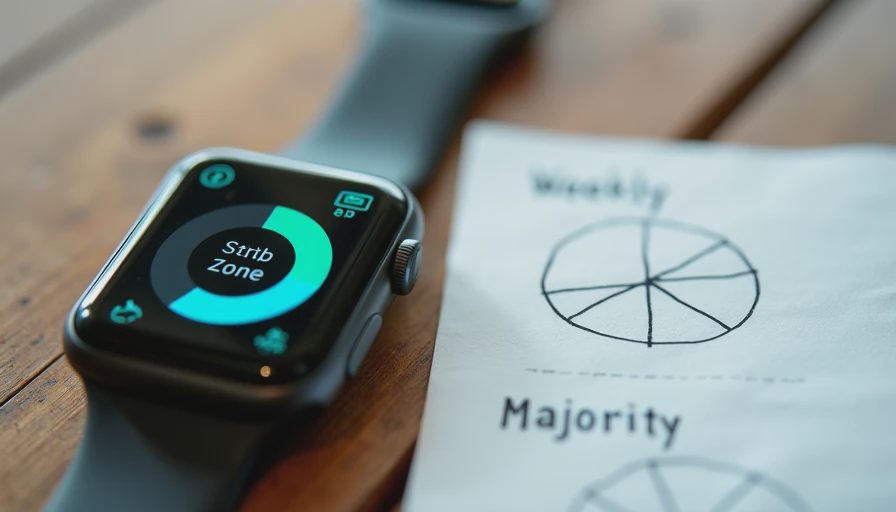
Here is the approach I use with most runners building a season:
Set Zone 2 with a field method and a talk test, then leave the numbers alone for a training block.
Use the watch to confirm that the majority of weekly volume is landing in that easy range.
Look at the weekly or monthly percentage of time in Zone 2 rather than obsessing over any single run.
Pair the data with a simple question after each base effort: Could I have held a conversation for most of the run? If the answer is no, the zone needs adjusting or the effort needs restraining.
Resting heart rate and simple HRV trends can provide secondary confirmation. When base volume is progressing and the multi-week recovery metrics stay stable, the foundation is usually solid. When easy paces start feeling harder and resting heart rate creeps up, the first place to look is whether Zone 2 has been drifting into moderate territory.
A Coaching Example
One athlete preparing for a spring marathon was logging solid total mileage but showing flat performance in the harder sessions. Looking at the heart-rate distribution revealed the issue: almost forty percent of his “easy” volume was actually Zone 3. He felt like he was training well because the runs were not slow. In reality he was accumulating fatigue without the aerobic development that true Zone 2 provides.
We lowered the Zone 2 ceiling by a few beats, emphasized the talk test, and kept total volume similar. Within three weeks his easy paces began to feel easier at the same heart rates, and the quality sessions improved because he was no longer carrying residual fatigue into them. The wearable did not create the solution. It simply made the problem visible once we looked at the right distribution.
Protecting the Base in Practice
Ignore the temptation to make every run look impressive in the app.
Review weekly zone distribution once, not daily.
Let the talk test override the watch if the two disagree mid-run.
Remember that long-term aerobic development shows up in lower heart rates at the same paces and in more stable recovery metrics over months, not in any single workout file.
Base miles are still the quiet engine of a running season. A wearable can help you protect them by showing when effort is creeping too high and by confirming that recovery is keeping pace with volume. It cannot replace the discipline of keeping easy days easy.
Train the base patiently. Use the data to stay honest. Let the harder sessions become the reward for work that was done at the right intensity for weeks beforehand.
Trust the trend, not the reading—and give Zone 2 the time and patience the trend requires.



No letters yet — pray write the first.