The enduro 3 is a strange watch to recommend because its biggest advantage is not a colorful screen or a clever notification feature. It is the quiet relief of leaving for a long weekend, forgetting the charger, and still having a functioning training computer on Monday. I wore it through easy runs, hill repeats, sleep, strength sessions, and family hikes to see whether that promise mattered in ordinary life.
The short answer is yes, especially if you run, hike, cycle, or spend time outdoors. The enduro 3 is expensive and physically large, though, and many people will get nearly everything they need from a Garmin Forerunner 265 or a less costly Venu model. This is an endurance tool first and a smartwatch second.
What the enduro 3 actually does well
Garmin built the enduro 3 around battery endurance. The exact runtime depends on GPS mode, screen settings, notifications, and how much useful sunlight reaches the solar ring, but the design is intended to stretch charging intervals far beyond a typical smartwatch. That changes how you use it. You stop organizing training around a battery percentage and start treating the watch like a reliable piece of equipment.
The memory-in-pixel display is not as bright or animated as an Apple Watch or AMOLED Garmin. In direct sunlight, however, it is easy to read and sips power. I prefer that trade during a long run. A screen that looks less impressive in a dark kitchen can be the better screen at mile 25, when I need to glance at pace without raising my wrist twice.
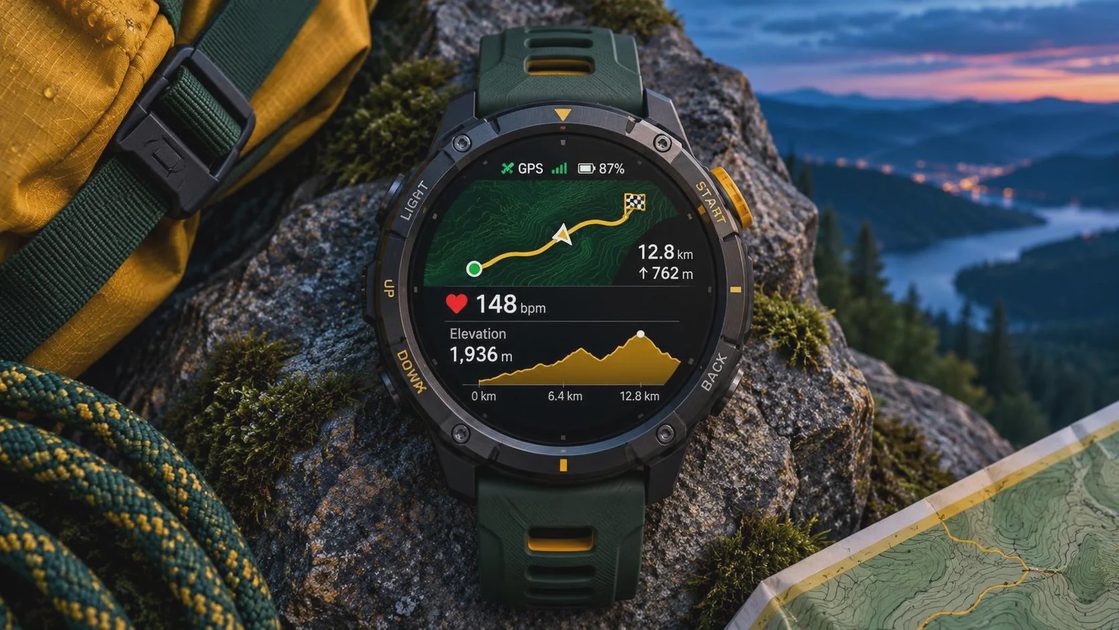
GPS performance is another strong point. In difficult neighborhoods, wooded trails, and narrow streets, the enduro 3 generally holds a clean track, particularly when using its more capable satellite settings. No watch can make a canyon, dense forest, or bad weather disappear. Still, the route line is dependable enough for training decisions rather than just a colorful map after the fact.
Training features without the noise
The enduro 3 includes the familiar Garmin ecosystem: structured workouts, training readiness, recovery time, race predictions, HRV status, elevation data, and a wide range of activity profiles. That sounds like a lot because it is a lot. The useful part is learning which screens answer a question you actually have.
For me, running power and pace were more useful than calorie estimates. Power can help describe effort when hills or wind make pace misleading, but it is not a magic measure of fitness. Heart rate, breathing, and how the legs feel still matter. I would rather see a consistent effort and finish healthy than chase a number because the watch called a run productive.
Sleep features are similarly best viewed as patterns. A single poor sleep score does not mean your recovery is broken. A week of shorter sleep, elevated morning heart rate, and unusually hard easy runs tells a more convincing story. Trust the trend, not the reading. That principle matters more here than any individual metric.
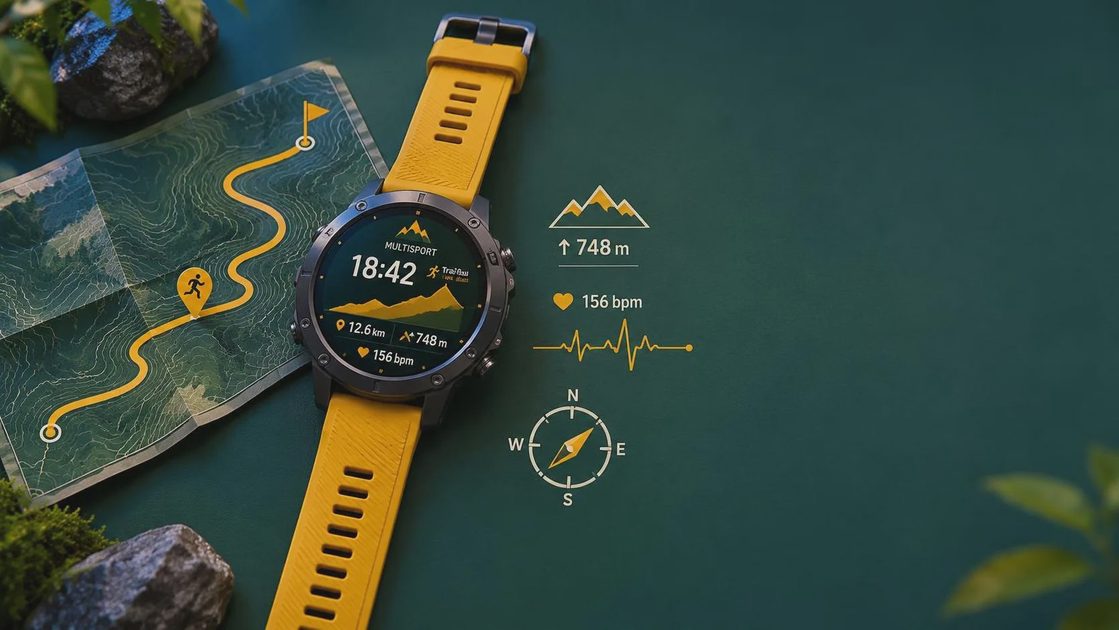
Garmin maps, navigation, breadcrumb routes, and elevation tools make this watch particularly useful away from pavement. If you regularly explore unfamiliar trails, being able to follow a route on your wrist is more practical than stopping for a phone. The built-in flashlight is also a small feature with real value when a morning run starts before sunrise or you drop something under the car seat.
Comfort, size, and everyday wear
The enduro 3 is not a small watch. Its case presence will bother some runners, especially anyone accustomed to a slim tracker or a 40-millimeter smartwatch. I noticed it most while sleeping during the first few nights. After adjusting the band and wearing it consistently, the weight became background noise, but that is not the same as calling it invisible.
The included nylon-style band helps. It is lighter and easier to fine-tune than many thick silicone bands, which matters when your wrist expands slightly during a warm run. A snug fit keeps the optical sensor stable without cranking the strap tight. That improves heart-rate data and avoids the familiar red pressure mark around the wrist.
As a daily watch, it handles notifications, alarms, weather, music controls, and contactless payments in supported situations. These features are convenient, but they do not match the seamless app experience of an Apple Watch or Samsung Galaxy Watch. If texting from your wrist and installing lots of apps are priorities, the enduro 3 is probably the wrong starting point.
How it compares with other Garmin watches
The enduro 3 makes the most sense beside three alternatives. The Forerunner 965 offers a larger, richer AMOLED experience and excellent running tools, usually with a lower price depending on sales. The Fenix line gives you a similarly rugged approach with broad outdoor capability, although the exact balance of screen, case, and battery differs by model. The Forerunner 265 is the value choice for runners who want serious training guidance without advanced expedition features.
Choose the enduro 3 when long GPS activities, hiking navigation, and fewer charging sessions are central to your week. Choose the Forerunner 265 when you mostly run roads, track sleep casually, and want a lighter, simpler watch. Choose an Apple Watch when communication, apps, and an interactive display matter more than multi-day endurance.
Price is the part I would examine carefully. Garmin often sells premium models at full launch pricing, then discounts older or competing watches during major sales periods. A $100 to $200 difference is meaningful if you will never use maps or long GPS recording. It is less meaningful if charging interruptions have already caused you to miss workouts or lose overnight data.
Who should buy the enduro 3?
Buy the enduro 3 if you are a trail runner, ultramarathoner, backpacker, cyclist, or busy runner who wants one watch to cover training and outdoor navigation. It is also a good fit for someone who dislikes maintaining devices. Charging once in a while is a feature when your normal week includes work, children, travel, and early starts.
Skip it if you mainly want step counts, basic sleep tracking, music, and phone notifications. A cheaper Garmin, Fitbit, or Apple Watch can cover those needs with less bulk. Do not buy the enduro 3 because its dashboard contains more metrics. Buy it because a specific capability, such as long battery life or trail navigation, will change what you do.
Before purchasing, write down your three normal activities and one annoying limitation of your current watch. If the answers are road running, gym workouts, and sleep tracking, with “I charge every few days,” compare the enduro 3 with a Forerunner. If they are long hikes, remote routes, and ultra-distance training, its premium makes more sense.
My long-term verdict
After weeks with the enduro 3, I see it as a specialist that happens to be comfortable enough for everyday wear. It is not the most elegant smartwatch, the smallest training watch, or the best bargain in Garmin's catalog. It is a durable, low-maintenance instrument for people who want their watch ready when the route gets long.
The important question is not whether the enduro 3 has enough features. It plainly does. The question is whether you will use its endurance, mapping, and outdoor tools often enough to justify the size and price. For the right runner, the answer is straightforward: fewer charging worries means more consistent data and fewer excuses. For everyone else, save the money and choose the simpler watch you will actually wear.



No letters yet — pray write the first.