The best smart watch is usually not the one with the longest spec sheet. It is the one you can wear all day, trust at the gym, and forget at night. After years of wearing a Casio on one wrist and whatever watch I am testing on the other, I keep coming back to the same filter: comfort, believable data, and battery life that matches real life. If a watch needs a lunch-time top-off or rubs your skin raw, it is a poor wrist tool no matter how polished the software looks. I judge these the same way I judge runners: can it improve the next week, not just the next screenshot?
Battery life is the first filter
The best smart watch starts with battery life because a watch that is dead by dinner is not much of a watch. Apple Watch still wins on polished software, but most models ask for nightly charging if you use always-on display, GPS workouts, or sleep tracking. Garmin is the opposite: many models run for several days, and some push well past a week if you are not hammering GPS every day. Samsung and Google sit closer to the Apple end of the range, though their newer watches have improved.
That matters in the real world. A runner who wants sleep data and morning alarms will not remember to charge a watch that dies every 24 hours. A parent juggling work and kids will not care that a watch has 200 features if the battery is on fumes before bedtime. LTE, bright AMOLED screens, and constant wrist wake gestures all pull extra power, and that is normal. The question is not whether a watch uses battery, but whether it fits your routine without becoming another device to babysit.
The health data that matters most
The best smart watch does not need to measure everything. It needs to measure the right things well enough to change behavior. For most people, that means resting heart rate trends, workout heart rate during steady efforts, sleep duration, and a decent estimate of how hard a session felt. ECG features on some Apple, Samsung, and Fitbit models can be useful for screening irregular rhythm patterns, but they are not a diagnosis. Sleep stages are helpful as broad trends, not as a reason to panic because your REM was low one night.
This is where I tell clients to trust the trend, not the reading. One weird HRV number after a bad night does not mean you are broken. Three weeks of poor sleep, rising resting heart rate, and sluggish workouts is a different story. A good watch can help you see that pattern early enough to adjust training, bedtime, caffeine, or stress load before your body forces the issue. Calorie burn estimates are even sloppier, so I use them as a rough effort guide, not as permission to eat more or less.
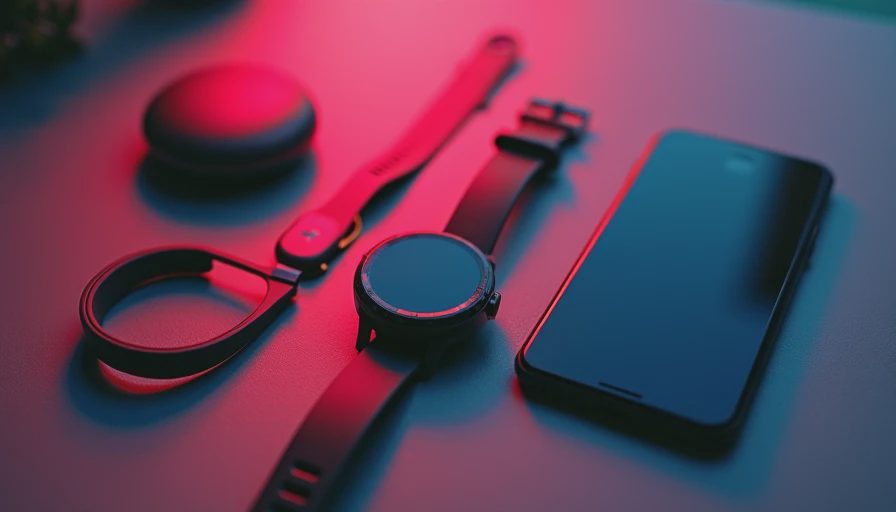
Fit and platform matter more than brand hype
The best smart watch is the one that fits your wrist and your phone. If you use an iPhone, Apple Watch still has the cleanest integration for messages, calls, and health data. If you are on Android, Galaxy Watch and Pixel Watch are the smoothest all-around choices, while Garmin is the better fit if you care more about training and battery than app depth. That platform piece is not sexy, but it decides whether the watch feels seamless or annoying.
Size matters too. A 41 mm case can disappear under a shirt cuff, while a 45 mm watch may be easier to read during a run but feel clunky in bed. Weight, band material, and sensor bump all matter once you wear a watch for sleep and workouts every day. If you have a small wrist, a big watch can press into the wrist bone during push-ups and planks. If you sleep on your side, a lighter case is easier to forget. I have seen too many people buy the biggest screen they can afford, then stop wearing it because it never feels quite right. A slightly smaller watch that stays on your wrist is worth more than a giant one that lives in a drawer.
What you should expect at different price points
The best smart watch at $200 is not trying to do the same job as a $700 flagship. Under $250, you are usually looking at solid basics: notifications, heart rate, sleep, GPS on some models, and a battery that can be decent if the screen is not too hungry. Around $250 to $400, you start seeing stronger displays, better GPS, more polished sleep and training tools, and better app support from names like Apple Watch SE, Garmin Venu, and Google Pixel Watch. Above that, you are often paying for premium materials, sharper screens, and extra wellness features, not magic.
That does not mean cheap means bad. If your main goals are steps, workouts, and sleep, a midrange watch often does 90 percent of the job for far less money. Premium models often buy sapphire glass, titanium, faster charging, and nicer bands, which are all real upgrades, but they do not make a bad fit better. If you want the newest chip or the fanciest case materials, fine, but be honest about whether those extras change your day. For most people, the smarter move is buying one tier down and putting the savings toward a better band, an extra charger, or a year of coaching.
How I would shop if I were buying today
When someone asks me to help find the best smart watch, I start with the boring questions first. Do you need Apple or Android compatibility? Will you wear it overnight? Do you want training load and recovery cues, or just basic activity tracking? How often are you willing to charge it? Those answers matter more than a launch event or a celebrity ad.
If you are an iPhone user and want the most polished everyday experience, Apple Watch is still the safe bet. If battery life and training depth matter more than app store polish, Garmin is hard to beat. If you want a bright screen and strong general-use features on Android, Galaxy Watch and Pixel Watch make sense. I also tell people to shop with their calendar in mind: a travel-heavy month, a new job, or a training block can make one style of watch feel easier to live with than another. If you can, try it on for a day or buy from a place with a sane return window.
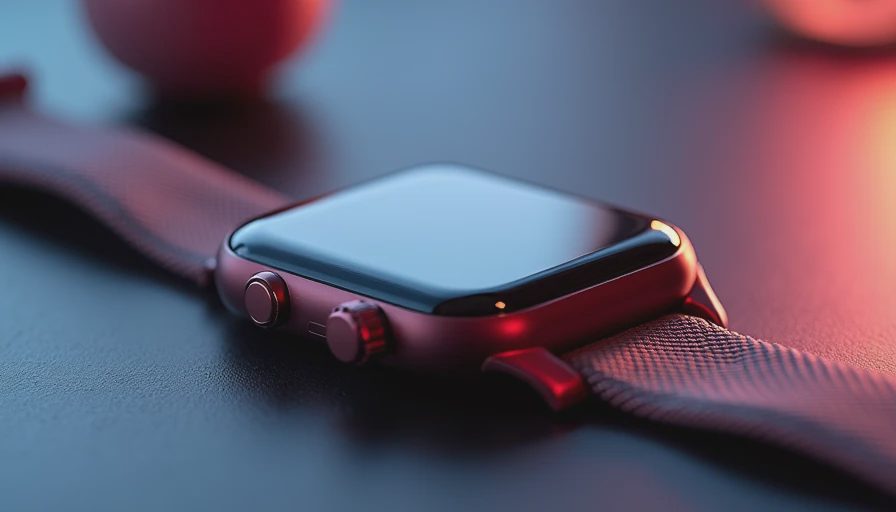
Final take before you hit buy
The best smart watch is the one you will wear long enough to learn from it. That means a watch that fits your phone, your wrist, your charging habits, and the way you move through the week. If it helps you sleep a little better, train a little smarter, or notice a real trend before it becomes a problem, it is doing its job.
I would rather see someone buy a midrange watch they wear every day than a premium model they baby and avoid. Start with comfort, battery, and the features you will actually use, then compare the rest. If you are torn between two models, pick the one that disappears on your wrist and makes your routine simpler. Trust the trend, not the reading.



No letters yet — pray write the first.