If you are shopping for fitness trackers with heart monitor, the first thing to know is that the sensor is useful, but only when you use it for the right job. A wrist optical sensor is best at showing trends: whether your resting pulse is drifting down with training, whether an easy run is actually easy, and whether a rough night of sleep is followed by a higher morning heart rate. It is not a magic medical device, and it is not perfect during hard intervals. I have worn enough of these things over several weeks to know the pattern: the cheap ones can be surprisingly decent, and the expensive ones are only worth it when the app, battery, or ecosystem fits your routine.
The physiology is simple. Your heart rate rises when demand rises, and it falls when you recover. That is why a decent tracker can help a runner keep an easy day easy or help a busy parent notice that stress and poor sleep are stacking up. The reading itself matters less than the direction it is moving. Trust the trend, not the reading.
What the sensor can tell you without drama
The best use of fitness trackers with heart monitor is not spotting some hidden crisis on a Tuesday afternoon. It is building a useful baseline. If your resting heart rate is usually 58 and it hangs around 66 for three mornings after a poor week, that tells you something about recovery. If your easy jogs sit at 140 bpm instead of 125 bpm for the same pace, that can mean heat, dehydration, fatigue, or a run that was not really easy.
That is where these devices earn their keep. They help with pacing, recovery, and habit awareness. Garmin, Apple, Fitbit, and Polar all do a decent job at this if the band fits well and the sensor has clean skin contact. For most people, a midrange model in the $80 to $180 range is enough. You do not need the flagship watch just to see whether you are overdoing it on Wednesday.
The trick is to ask what problem you are solving. If you want step counts, sleep trends, and a rough guide for workouts, the wrist sensor is plenty. If you want clinical-grade rhythm data or very tight interval tracking, a chest strap like the Polar H10 is still the better tool.
Where wrist readings start to wobble
This is the part most product pages skip. Wrist heart-rate sensors can slip when the band is loose, when your wrists are cold, when you are gripping a barbell, or when your cadence is high enough that the watch confuses arm motion for pulse. That last one shows up a lot on runs. I have seen a watch read beautifully on a steady three-mile jog and then drift during short repeats or hill sprints.
If you lift weights, row, or do spinning classes, pay attention to fit and sensor placement. Move the band a notch tighter during workouts and wear it a finger-width above the wrist bone. Small changes help more than people think. Also, optical sensors tend to do better during steady efforts than stop-start chaos. A fitness tracker with heart monitor can be a solid guide for Zone 2 work, but it is less trustworthy when your pace and arm motion are jumping around every 30 seconds.
How I would shop if I were buying today
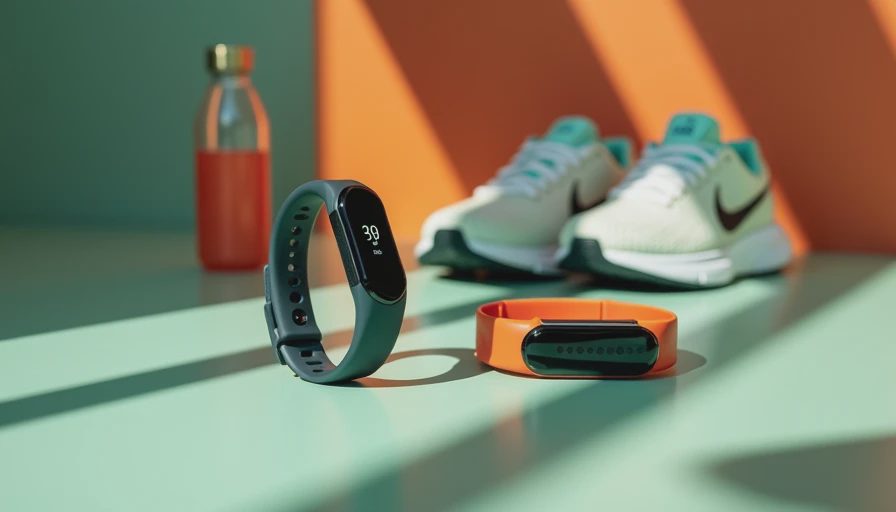
Start with battery life, app quality, and comfort, not the fanciest headline metric. A band that disappears on your wrist gets worn more often, and that is the whole game. Fitbit Charge 6, Garmin Vivosmart 5, Amazfit Band 7, and Apple Watch SE all live in different ecosystems, but each one makes sense for a different kind of user. Fitbit is still easy to read for everyday health trends. Garmin is strong if you care about training structure. Apple is the smoothest if you live in the iPhone world. Amazfit tends to compete on price and battery.
For a lot of people, the sweet spot is a $50 to $150 tracker that gives solid overnight heart-rate data, sleep summaries, and workout alerts. If you run, make sure it can handle alerts for heart-rate zones or pace. If you mostly walk, lift, and want to keep an eye on recovery, you can spend less and miss very little. If you already own a decent watch, the upgrade is often the app, not the sensor.
One useful habit: compare the wrist reading against how you feel on a steady run or a brisk walk. If the number and the effort match over time, you have a useful device. If they do not, tighten the band, clean the sensor, and stop assuming the data is broken before you check the basics.
A simple way to use the data without obsessing
The people who get the most out of fitness trackers with heart monitor are not the ones staring at every beep. They are the ones who check a few numbers consistently. I like resting heart rate, overnight average, workout zones, and a basic sleep trend. That is enough to spot when training load, stress, illness, or a messy schedule is dragging you down.
Here is a real-world example from coaching: a runner comes in convinced they need more intense work because their pace feels flat. Their resting heart rate is up, sleep score is down, and easy runs feel harder than normal. The fix is usually not more intensity. It is better sleep, an easier week, and maybe less caffeine after lunch. A tracker helps you see that before you pile on another hard session.
The same idea works for non-runners. If you are rebuilding after a long break, chasing better sleep, or trying to keep walking more days than not, the device is there to reinforce habits, not judge them. A solid trend matters more than a perfect screenshot.
The clean buying rule I use
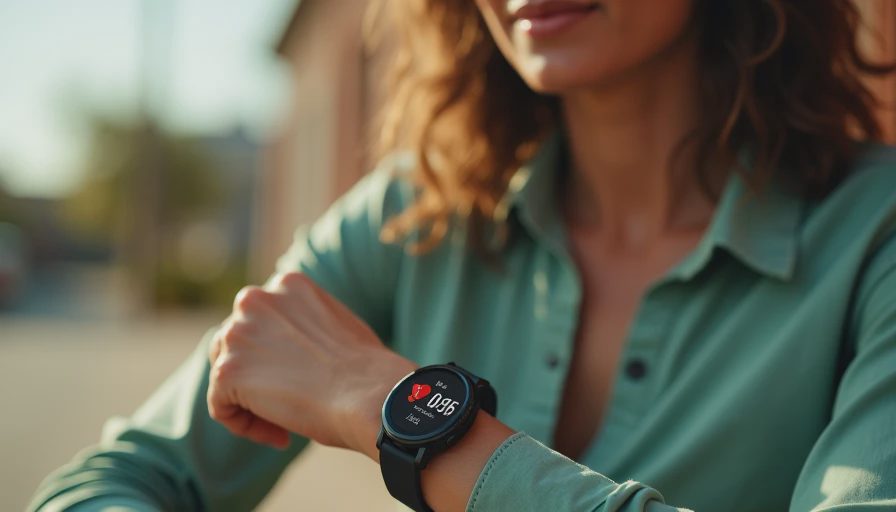
If you are deciding between fitness trackers with heart monitor, buy the one you will actually wear for six months. That means comfortable hardware, an app you do not hate, and a battery that matches your routine. If you charge every night, a ring or a long-battery band may be better than a full smartwatch. If you want workout coaching, a watch is usually easier to live with. If you only want a few health trends and cheaper hardware, do not let the glossy models bully you into overspending.
My own rule is boring on purpose. Pick the simplest device that gives you reliable trend data, then use it long enough to learn your normal. After that, the wrist becomes a tool instead of a distraction. That is the point.
Trust the trend, not the reading.


No letters yet — pray write the first.