Fitness watches are useful when they change what you do, not when they just count what you did. I have worn enough of them for weeks at a time to know the same lesson keeps showing up: the best one is rarely the most expensive one, and the worst one is usually the one stuffed with metrics you never act on. If you want better runs, steadier sleep, or a clearer picture of your day, start with behavior, not features.
I say that as someone who still keeps a $20 Casio on the other wrist as a control. Heart rate, sleep score, steps, VO2 max, readiness, stress, and pace all have a place, but only if they change your decision in a real way. Fitness watches can be a solid training tool, or they can become expensive fidget spinners with graphs. The difference is usually fit, battery, and how honest the numbers look over several weeks, not the unboxing day thrill.
After eight years of testing fitness watches, I care most about three things: whether the sensor stays steady in motion, whether the battery survives your real routine, and whether the app tells a story you can understand before coffee. A watch that dies before your second workout of the week is a toy. A watch that makes you feel behind every Tuesday is also a toy, just a pricier one.
What a useful wrist reading actually means
Heart rate is the cleanest place to start because it drives so many other estimates. During easy runs, a solid optical sensor is good enough for training. During intervals, lifting, rowing, or cold-weather starts, you will see more wobble. That is normal. It is also why I tell runners to trust the trend, not the reading. If your resting heart rate sits several beats above your normal for a few mornings, that matters more than one odd night after a late meal and too little sleep.
Sleep scores work the same way. They are most useful when you compare your own average over two or three weeks. If the watch says you slept poorly but you woke up alert and trained well, do not panic. If it says recovery is bad and you feel flat for five straight days, pay attention. For many people, a simple sleep graph from Apple, Fitbit, Garmin, or Samsung is enough.
For runners, GPS accuracy and battery life matter more than shiny extras. For gym-goers, a reliable heart-rate signal and decent strength workout detection are usually enough. For someone who just wants more movement and better sleep, a lighter device with a clear app often beats a huge flagship.
Where budget models save you money and where they do not
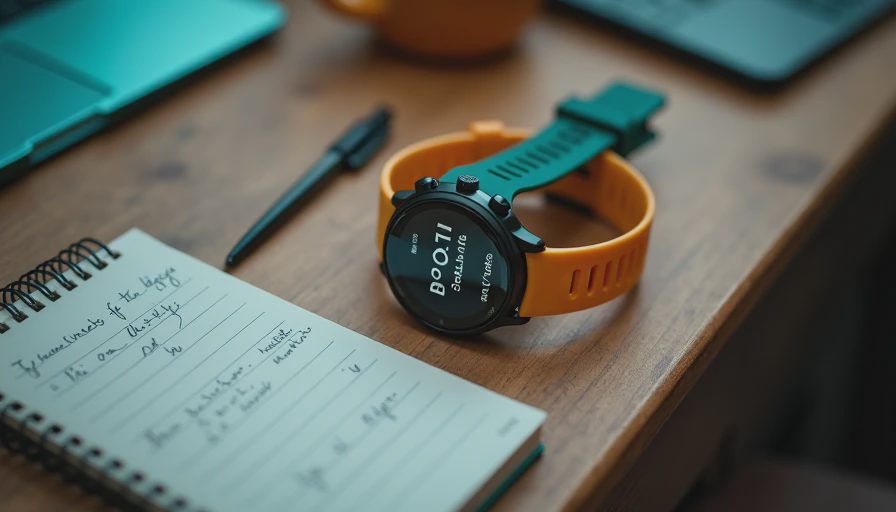
There is a sweet spot around $99 to $250 where a lot of people should shop first. Fitbit Charge 6, Garmin Forerunner 165, Amazfit Balance, and Coros Pace 3 all live in that practical zone in different ways. You are paying for enough accuracy to make decisions, not for every premium add-on under the sun. If you do not need LTE, advanced mapping, or a full app store, midrange usually gives the best value.
The biggest mistake is assuming fitness watches need every flagship feature to be worthwhile. They do not. I have seen plenty of people get more out of a $200 watch with good battery life than a $500 model they charge twice a day and resent by week three. A marathon runner wants different tools than a parent who gets a workout in at 6 a.m. before school drop-off.
Battery is part of the value story too. A watch that lasts 10 to 14 days with mixed use is easier to live with than one that needs a charge every night. If you live in the Apple world and want the best smartwatch features, shorter battery life can still be a fair trade. The right choice is the one you will actually wear.
Brand examples that make sense in the real world
Garmin is still the cleanest starting point for runners who want training tools without a lot of drama. The Forerunner line is the workhorse, the Venu line is more lifestyle-friendly, and the pricier multisport models are for people who will use deeper training load and mapping features. If you want clear pace data, solid battery, and a coach-like app, Garmin usually makes sense.
Apple Watch is the easiest pick if you want smart features first and fitness second. It shines for calls, texts, apps, and day-to-day convenience, and the health features are good enough for most casual exercisers. The SE is often the smart budget move, while the Series models add more health bells and whistles. Fitbit still wins for simplicity in some households, especially when someone wants steps, sleep, and reminders without learning a new hobby. Coros appeals to athletes who care mostly about training and battery. That spread is why fitness watches are not one category in practice.
How to choose by goal without overspending
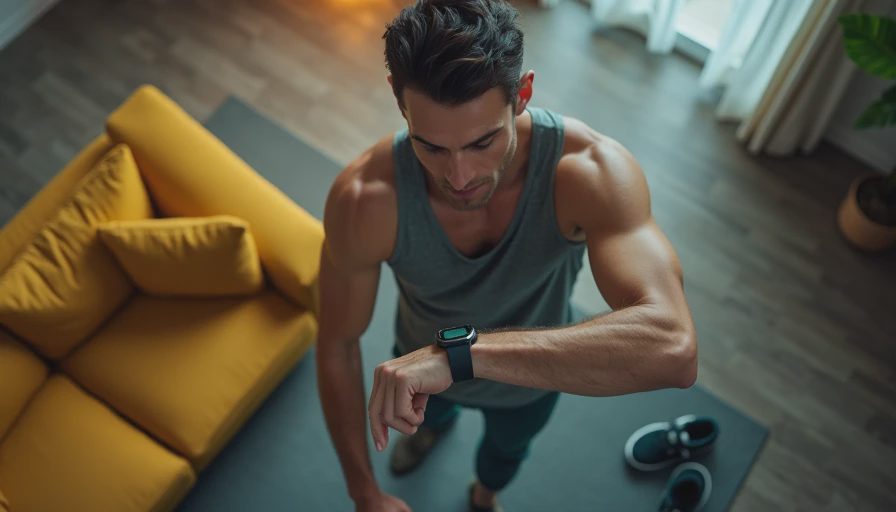
If you run three or more times a week, start with GPS accuracy, battery, and easy workout screens. If you lift weights, look for a watch that handles sets without making you tap through a maze. If sleep is the main reason you are shopping, pay more attention to comfort and app clarity than to the number of sensors on the box. A watch you hate wearing at night will not help your sleep, no matter how fancy the score looks.
If you only want a step counter and a nudge to stand up once in a while, fitness watches with simple goals are enough. You do not need flagship money to walk more, sleep a little better, or keep tabs on recovery after a hard week. One practical move is to buy one model down from the top unless you know exactly why you need the upgrade. In this category, the middle tier usually gives the best mix of accuracy, comfort, and battery.
The simple rule I use with clients and runners
Before you buy, check the app. A good device with a messy app becomes annoying fast. A modest device with a clean app can stay useful for years. I would rather see a person buy a watch they understand than a premium model they stop opening after the first month.
The best fitness watches do not need to impress you every day. They need to help you notice patterns, recover better, and train with less guessing. That is why I keep coming back to the same rule: buy the one you will wear for a month without thinking about it, then watch what your body does over time. If the trend improves, the watch is earning its keep. If not, you probably paid for features you do not use.
If you want a blunt starting point, shop by use first, price second, and brand third. That order keeps you out of shiny-object traps. And if you are still stuck between two models, pick the one with the better battery and the cleaner app. That is usually the one that turns into a habit instead of a regret. Trust the trend, not the reading.


No letters yet — pray write the first.