If you have searched for normal heart rate after seeing a surprising number on your Apple Watch, Garmin, Fitbit, or Oura Ring, you are in good company. I spent eleven years in cardiac rehabilitation, and one pattern showed up constantly: people treated one reading as a diagnosis. A single number is rarely that useful. Context, symptoms, and the trend over several days tell you much more.
Your pulse is the number of times your heart beats each minute. It changes with movement, temperature, sleep, stress, caffeine, illness, hydration, and medication. That flexibility is a feature of a healthy body, not automatically a problem.
What is a normal heart rate at rest?
For most adults, a normal heart rate at rest is commonly between 60 and 100 beats per minute. That is a broad reference range, not a target that every person must hit. Well-trained runners sometimes sit in the 40s or 50s because their hearts pump more blood with each beat. Someone who is anxious, recovering from a cold, or drinking strong coffee may briefly sit above 80 without anything dangerous happening.
Measure your resting pulse when you have been sitting quietly for five minutes, rather than immediately after climbing stairs or answering a stressful email. Morning is often useful because your body has not yet encountered exercise, food, caffeine, or work pressure. Take two or three readings on different days and look for a pattern.
Age, fitness, sleep quality, thyroid conditions, anemia, fever, and prescription drugs can all influence the number. Beta blockers, for example, often lower heart rate. Decongestants and some stimulant medications can raise it. Do not change a medication because of a watch reading; discuss persistent changes with a clinician.
Why wearable readings can look strange
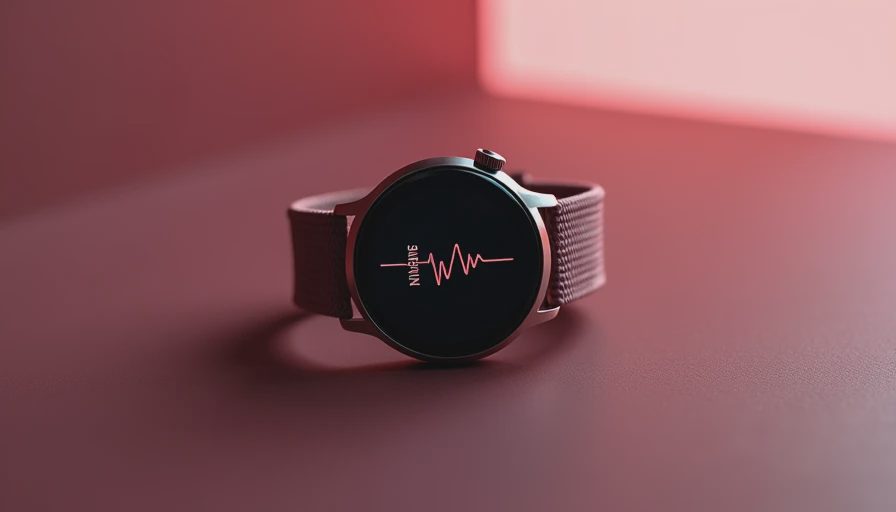
A smartwatch estimates pulse through optical sensors that shine light into the skin and detect blood-volume changes. The technology is genuinely useful, but it is not the same as an electrocardiogram in a clinic. A loose band, cold hands, tattoos, arm movement, sweat, or poor skin contact can create a jumpy result.
I have worn more than 30 watches and rings over the years, and the practical lesson is simple: trust the trend, not the reading. If your Garmin shows 58, then 92, then 61 while you are sitting still, first check the fit and repeat the measurement. If several devices show a similar elevated pattern, or your resting readings remain unusual for you, that information is more useful.
For a cleaner spot check, sit down, relax your shoulders, and place two fingers on the thumb side of your wrist. Count beats for 30 seconds and multiply by two. A manual count will not replace medical evaluation, but it can tell you whether a wearable result is obviously off.
Normal heart rate during exercise
Exercise raises your pulse because working muscles need more oxygen-rich blood. There is no single normal heart rate during exercise. A brisk walk, a hard interval, and an easy bike ride should produce different readings. A beginner might reach 130 beats per minute during a fast walk, while a trained runner may run comfortably at that level.
Age-based maximum heart rate formulas are rough estimates, not personal laws. Training zones are more useful when combined with effort. Easy work should feel conversational. Moderate work should make you breathe harder but remain controlled. Hard intervals should be difficult and limited in duration. If your watch says you are in Zone 4 while you can speak in full sentences, the sensor or zone settings may be wrong.
Wrist sensors also struggle during strength training, cycling on rough roads, and activities involving gripping. A chest strap generally responds faster during intervals, though it can still require correct placement and a damp connection. For everyday walking and resting measurements, a quality wrist device is usually adequate.

When a reading deserves attention
A normal heart rate becomes less important than how you feel. Seek urgent medical help for chest pressure, severe shortness of breath, fainting, new confusion, or a rapid or irregular pulse accompanied by weakness. Do not wait for a wearable to confirm that something is wrong.
A persistently high resting pulse, a repeatedly low pulse with dizziness, or a new irregular rhythm deserves a timely conversation with a healthcare professional. A low number can be perfectly normal for a fit person, but symptoms change the situation. Likewise, a high number during a fever may make sense while still requiring care for the underlying illness.
One isolated alert is not proof of atrial fibrillation, heart disease, or any other diagnosis. It is a prompt to pause, repeat the measurement, note symptoms, and gather useful context. If an alert keeps returning, save the date, time, activity, and medications you took. That log gives a clinician something better than a screenshot with no explanation.
How to use your watch without spiraling
Start by establishing a personal baseline. Wear the device consistently for two weeks, especially overnight and during quiet morning periods. Record your usual resting range, sleep duration, recent training, alcohol intake, illness, and stressful days. You are not trying to achieve a perfect number; you are learning what normal looks like for your body.
Then use simple comparison questions. Is today higher than my usual range? Did I sleep poorly or train hard yesterday? Am I dehydrated, sick, overheated, or unusually anxious? Does the reading return toward baseline after rest? Those questions are more productive than refreshing the health app every five minutes.
Check the band position as well. Wear it snugly above the wrist bone, clean the sensor, and use the same wrist when comparing trends. Make sure your age, maximum heart rate, medications, and activity profile are entered correctly. Bad settings can make accurate sensor data look misleading.
Normal heart rate: a practical takeaway
For many adults, 60 to 100 beats per minute at rest is a reasonable reference range, but fitness and circumstances create legitimate variation. The most useful measurement is often your own stable baseline, not a number copied from a chart. A watch can help you notice changes, but it cannot explain every change or replace a clinical assessment.
If you feel well and one reading looks odd, repeat it calmly. If the pattern persists, record the details and contact a healthcare professional. If symptoms are severe or sudden, seek urgent care regardless of what the screen says. That is the balanced way to use wearable data: let it guide better questions, not manufacture fear.
I still wear a $20 Casio on my other wrist. It cannot measure a normal heart rate, but it is a useful reminder that the number is only valuable when it changes what you do. Trust the trend, not the reading.



No letters yet — pray write the first.