If you are buying a wearable for sleep, smartwatch sleep tracking is the feature people get most excited about and misunderstand most often. After weeks of wearing different watches, my short version is simple: the watch is good at showing patterns, not perfect at naming every sleep stage. That still matters, because a rough map of your nights can tell you whether late meals, alcohol, training load, or a stressful week are dragging you down.
A decent watch will usually show sleep duration, wake time, heart rate during the night, and some version of sleep stages or sleep score. The useful part is not the score itself. The useful part is whether your nights are getting shorter, more fragmented, or less restful over time. Trust the trend, not the reading.
What smartwatch sleep tracking is actually measuring
Most wrist devices are guessing from a mix of movement, heart rate, and sometimes heart rate variability, skin temperature, breathing rate, and blood oxygen. That is enough to build a useful picture, but not enough to replace a lab sleep study. A watch can tell when you were lying still, when your pulse stayed high, and when you seemed to drift in and out of lighter sleep. It cannot see brain waves, which is why stage labels like REM and deep sleep should be treated as estimates.
In the real world, smartwatch sleep tracking is best at answering practical questions. Did you sleep six and a half hours or eight? Did you wake up five times after a late dinner? Did a hard workout leave your overnight heart rate elevated? Those are the questions that help you change behavior. If your device gives a sleep score, treat it like a dashboard light, not a medical diagnosis.
A few brands lean harder into sleep than others. Fitbit has long emphasized sleep score and nightly consistency. Garmin usually layers sleep data into the bigger training picture. Apple Watch gives solid raw data through the Health app and third-party apps, but the experience depends on how much you are willing to set up. None of them are magic. The value comes from using the same device long enough to spot your own patterns.
Which numbers deserve your attention
The first number I look at is total sleep time. If you think you got eight hours but the watch keeps putting you at six forty-five, that gap is worth noticing. The second number is wake time after sleep onset, because fragmented sleep often feels worse than a shorter but cleaner night. The third is overnight resting heart rate. When it sits higher than your usual baseline, something is off, whether that is illness, alcohol, heat, or late exercise.
This is where smartwatch sleep tracking earns its keep. A single low sleep score after a rough Tuesday is not useful. A week of shorter sleep, a climbing overnight pulse, and lower morning energy is useful. That combination tells you to adjust bedtime, cut the late drink, or back off hard training for a day. If your watch gives HRV, pay attention to the direction of the trend, especially if you already use training data. One isolated high or low reading does not mean much.
For most busy adults, the best sleep metric is consistency. A regular bedtime and wake time often improves how the whole night feels more than another app feature does.
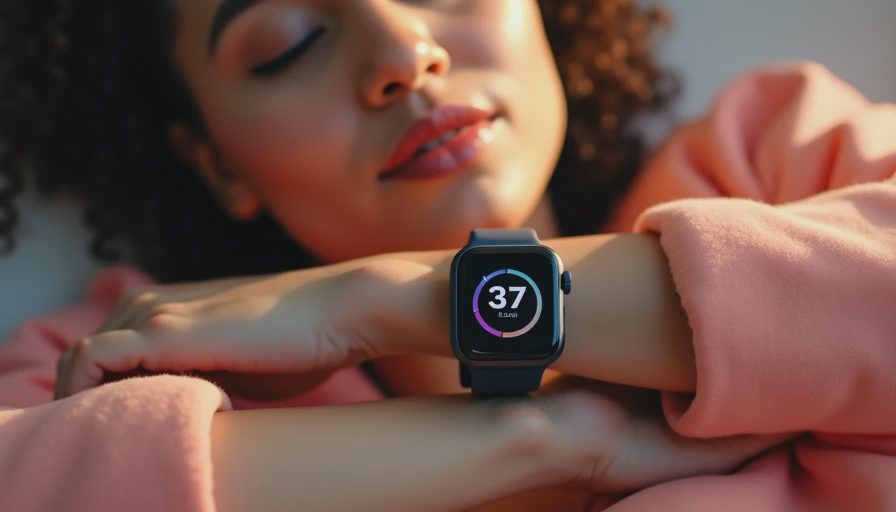
Why one bad night usually means nothing
People tend to panic over one ugly sleep score, but bodies are rarely that dramatic. A late meal can push your heart rate up. Alcohol can make the first half of the night look deeper while fragmenting the second half. A hard hill session, a late flight, or a sick kid can all wreck the chart without telling you anything dangerous. That is why I spend weeks, not one night, with a device before I trust its pattern.
I have seen watches call a restless night terrible when the next morning felt fine, and I have seen them flatter a night that felt broken from start to finish. That does not make the watch useless. It means the data needs context. If the device says you slept poorly after you ran intervals at 6 p.m. and ate pizza at 9, the result is probably pointing at the right direction. If it says the same thing after a calm day and an early dinner, I start looking at device fit, sensor contact, or a bad algorithm night.
The simplest habit is to compare your wearable with how you actually felt the next morning. Over time, the useful device is the one that helps you notice what your body already knew.
When smartwatch sleep tracking gets shaky
Every wrist sensor has blind spots. Loose fit is the big one. If the watch slides around, heart rate readings get noisier and sleep estimates drift. Tattoos, cold hands, dark skin under poor sensor design, and lots of nighttime movement can all make the data uglier, though newer sensors handle this better than the early models did. SpO2 readings are another place to keep expectations realistic. They can be interesting, but I would not buy a watch mainly for that number unless you already know why you want it.
This is also where the data can be too confident. A device may label light, deep, and REM sleep with neat little blocks, but those blocks are still estimates. If you are shopping for sleep only, I would rather see reliable duration, overnight heart rate, and a clean morning summary than a flashy score nobody can explain. The Apple Watch, Garmin, Fitbit, and Oura all have different strengths, but none of them turn your wrist into a sleep lab.
If your watch makes you obsess over every half hour in bed, that is a sign to zoom out. Use the device as a pattern finder, not a judge.
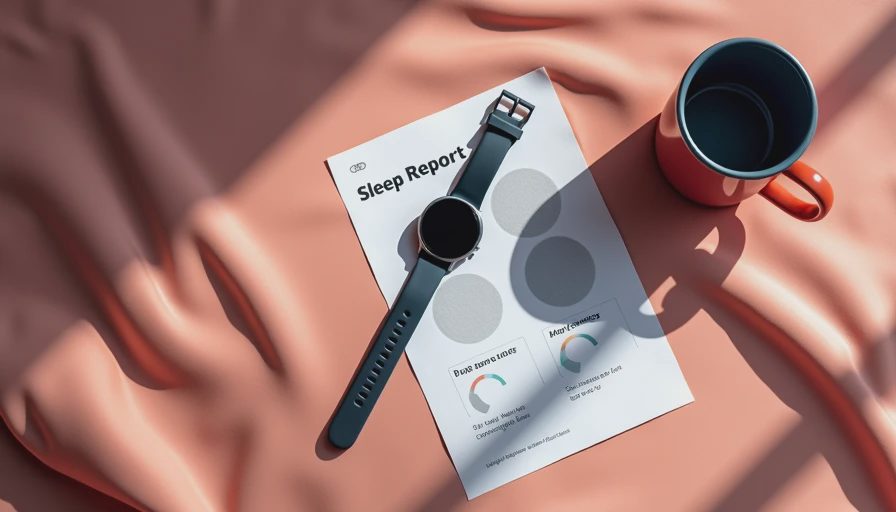
Buying advice if sleep is your main reason
If sleep is your main goal, start by deciding how much watch you actually need. A $150 to $300 device often gives enough information for most people. You do not need the most expensive model just to learn that your sleep gets worse after late coffee or a hard evening workout. Fitbit-style simplicity works well for someone who wants a score and a few clear trends. Garmin is a better fit if you also run or train. Apple Watch is strong if you already live in the Apple world and do not mind charging it more often.
Look for comfort first, because you will not get good data from a watch you hate wearing overnight. Then look for battery life, because a dead watch tells you nothing. After that, check whether the software makes old data easy to compare against new data. That is where the real value lives. For anyone serious about improving recovery, smartwatch sleep tracking should change what you do next morning, not just decorate a chart. If it helps you see a pattern and act on it, it is paying for itself.

No letters yet — pray write the first.