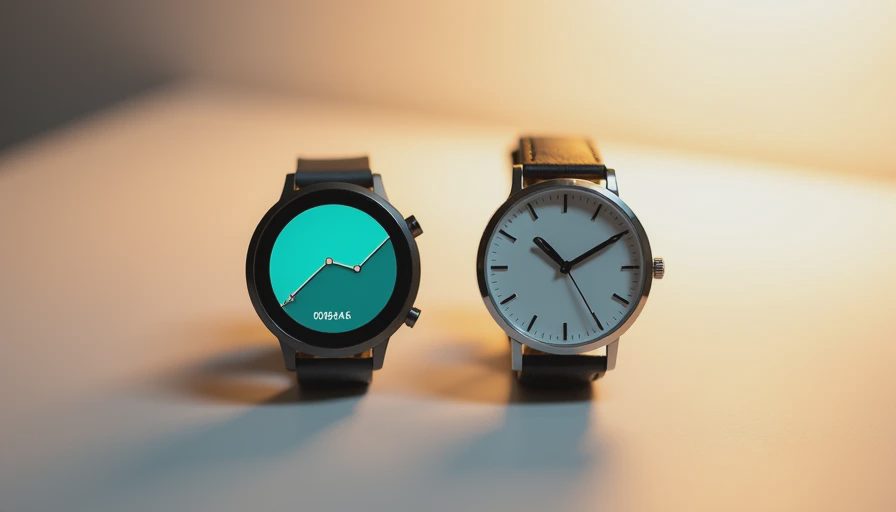
The Two Extremes I Keep Seeing
On one side are the athletes who will not start a run until the recovery score turns green. They skip sessions because a single overnight reading looked soft. They treat the watch like a daily permission slip. On the other side are the athletes who ignore every metric and simply “go by feel,” even when feel has been quietly degraded by accumulated fatigue for two weeks.
Both approaches leave performance on the table. Both create unnecessary frustration. After coaching everyday runners for years and watching patients in cardiac rehab learn to move again, I have landed in the middle: data is excellent for spotting patterns; feel is still the final authority on any single day.
What the Data Is Good At
Wearable numbers excel at showing slow trends that are easy to miss day to day. Rising resting heart rate over ten days. Gradually declining HRV while training load stays high. Sleep duration that has been shorter than usual for a week. These signals often appear before the athlete fully notices that easy paces feel harder or that motivation has dipped.
Data is also useful for confirming what you already suspect. If the legs felt heavy and the overnight numbers agree, the decision to ease back becomes easier to trust. If the legs felt heavy but the longer trend looks stable, it might just be residual soreness or a poor night’s sleep rather than systemic fatigue.
The key is that data works best in aggregate. A single morning score is a weather report for one hour. The multi-week picture is the climate.
What Feel Is Still Better At
Your nervous system and muscles have access to information no wrist sensor can fully capture. How the first mile actually feels. Whether your stride is free or guarded. Whether your breathing settles or stays elevated at a pace that should be easy. Whether you feel eager or reluctant when you lace up.
Feel also adjusts in real time. A run that starts sluggish can loosen up after fifteen minutes. A run that starts well can deteriorate if the day is hotter than expected or residual fatigue shows up late. The watch cannot make those mid-session adjustments for you. You can.
I still ask athletes the same simple questions after easy runs: Did the effort match the intended zone? Did the legs come around? Would you have been happy to continue another ten minutes? The answers are usually more actionable than any single recovery metric.
A Practical Framework That Works
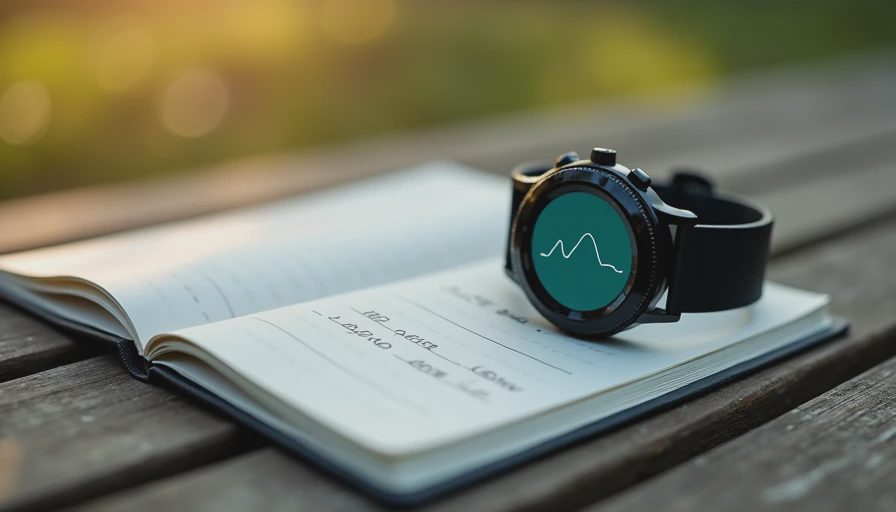
Here is the simple decision process I use with most runners.
Before the run, glance at the multi-day trend—not the single score. If resting heart rate and HRV have been stable or improving, plan to train as scheduled. If both have been moving in the wrong direction for several days, consider dialing the session back before you start.
During the run, let feel take over. Start at the intended effort. If everything settles and the pace feels appropriate, continue. If the effort feels clearly harder than it should for the first twenty minutes and does not improve, adjust on the fly. The watch can record what happened; it does not need to dictate every step.
After the run, log a one-line note about how it felt. Over weeks those notes become as valuable as the numerical trends.
This approach keeps the data in a supporting role instead of a commanding one. It also prevents the common trap of ignoring accumulating fatigue because “the legs felt okay today.”
A Coaching Example
One athlete I worked with was deeply attached to his recovery score. He would cancel solid sessions over a single yellow day even when the longer trend was fine and he felt normal. We agreed to a two-week experiment: he could look at the multi-day averages but not the daily color. He would run according to the plan unless the seven-day picture and his own feel both suggested otherwise.
By the end of the second week he had completed every session. His average paces improved slightly, and the daily scores themselves began to look more stable—partly because he was no longer adding stress by constantly evaluating them. The data had not been useless. The frequency of inspection had been the problem.
Balancing the Two Without Overthinking
Use data to inform the training plan and to catch slow-developing issues.
Use feel to execute the individual session and to make real-time adjustments.
Never let a single number override clear physical signals in either direction.
Revisit the balance every few weeks: if you are ignoring persistent trends, lean a little more on the data; if you are canceling runs over minor daily fluctuations, lean back toward feel.
The best athletes I coach are not the ones with the most sophisticated dashboards. They are the ones who can look at the numbers, check in with their body, and make a calm decision that serves the bigger picture.
Wearables have made the data side easier than ever. They have not replaced the need to know how you actually feel when the run begins. Both sources of information are stronger when they are used together—and weaker when either one is treated as the sole authority.
Trust the trend, not the reading. And trust the feeling that comes after the first easy mile even more.


No letters yet — pray write the first.