If you are shopping for the best fitness watch, start with the job you want it to do. Some people need a watch that nails lap splits and battery life on long runs. Others want something that nudges them to walk more, sleep better, and stop guessing about recovery. After years of wearing a pile of devices for weeks at a time, my view is simple: the best fitness watch is the one that changes a habit, not the one with the most impressive box copy.
I spent years watching people in cardiac rehab get distracted by one bad reading, then ignore the bigger pattern right in front of them. Wearables can do the same thing if you let them. Heart rate is useful. Sleep trends are useful. GPS pace on a steady run is useful. A single calorie estimate or one restless night is not the whole story. Trust the trend, not the reading.
Start with your real use case
The fastest way to narrow the field is to be honest about how you move. A runner who wants intervals, route tracking, and race-day battery should not shop the same way as someone who mostly lifts, walks the dog, and wants better sleep data. I see this all the time in coaching: people buy a feature-rich watch, use three settings, then feel guilty about the rest.
If your week is mostly road miles and gym sessions, a midrange Garmin Forerunner, Coros Pace, or Polar Pacer model often gives you more value than a flagship with payment apps and a bright screen. If you live in the Apple ecosystem, an Apple Watch SE or Series model can be the cleaner choice because the notifications, apps, and health features fit into daily life better. If you just want basic tracking, a Fitbit-style device can still make sense, especially if you care more about simple reminders than training load charts.
Price matters too. Solid entry-level options often land around $150 to $250. Better battery, better GPS, and better workout controls usually show up in the $250 to $400 band. Above that, you are often paying for sharper screens, better maps, more polished software, or nicer materials. That is not bad, but it is not automatically better for training.
The metrics that matter more than flashy features
The best fitness watch should make a few numbers easier to trust. Heart rate during steady efforts is one. You do not need perfect lab-grade data to see whether your easy run is truly easy or whether your afternoon lift has drifted into cardio territory. GPS pace matters too, especially if you run in open spaces and want a cleaner read than your phone gives you.
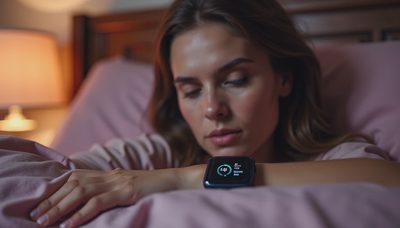
Sleep data is useful when you look at several nights together. A short night after a late dinner is not a crisis; a week of short sleep plus rising resting heart rate is a pattern worth noticing. Recovery scores can help if they push you to back off after a hard block, but I would not plan my life around any single score from any brand. The same goes for body battery, readiness, training load, or similar labels. They are tools, not verdicts.
Battery life is a real metric, not a spec-sheet vanity item. If you train outdoors, hate charging every night, or travel often, a watch that lasts 7 to 14 days between charges can be a lot more usable than one that needs a cable every evening. That is where many runners end up happier with Garmin or Coros, while Apple Watch still wins on app polish and everyday convenience.

Which brands usually fit which buyer
When people ask me for the best fitness watch, I usually translate that into lifestyle first, brand second. Garmin tends to suit people who want strong workout tools, reliable GPS, and lots of running and cycling depth. Coros is often attractive if battery life and straightforward training features matter more than a crowded interface. Polar has long been good at workout guidance and heart-rate-centric training logic. Apple Watch is still the easiest pick for someone who wants a smartwatch first and a fitness tracker second.
Fitbit has narrowed its footprint, but it still works for buyers who want simple wellness nudges, basic exercise tracking, and a gentler learning curve. That is useful for a busy parent, a newer exerciser, or someone who does not want to spend a weekend reading forums before taking a walk. The best fitness watch for that person is not the most technical one; it is the one that stays on the wrist and gets used.
I also think about the screen and the controls. Touch-only watches can be fine in daily life, but sweaty intervals and winter gloves change the equation. Buttons still matter. So does comfort. A watch that looks great in a product photo but rubs your wrist during sleep is a bad deal, no matter how many features it has.
What to ignore on the spec sheet
A lot of shoppers get pulled toward calories burned, stress scores, and animated workout badges. Those can be fun, but they are the first places I see people overreact. Calorie estimates are rough estimates, not gospel. Stress scores often reflect heart-rate variability patterns, which can be influenced by sleep, alcohol, illness, training load, and plain old life. Useful? Sometimes. Decision-making gold? Usually not.
I would also be cautious about paying extra for fancy training labels if you are not going to act on them. If a watch tells you that your readiness is low but you were already planning an easy day, good. If it tells you the same thing every third morning and sends you into a spiral, it is just noise in a prettier font. The best fitness watch should help you make a small, sensible adjustment, not turn every workout into a test.
One more thing: do not buy for the most extreme feature you may never use. Multiband GPS is great if you run downtown or under trees. Maps are great if you hike or race long courses. ECG apps and skin temperature tracking are nice to have for some people, but they are not the reason most buyers actually improve their training.

A simple 30-day test after you buy
Once the watch is on your wrist, give it one month of real use before you judge it. Wear it through a normal workweek, one hard workout, one easy recovery day, one sleep-challenging night, and one weekend long session or walk. That gives you a much better read than an unboxing-day impression.
Watch for three things. First, does the heart rate stay believable during steady exercise? Second, does the battery match your routine without becoming a chore? Third, do the reminders and summaries help you do something useful, like get to bed earlier, cut a run short, or warm up better? If the answer to those questions is yes, you are probably close to the best fitness watch for your life, even if another model looks cooler online.
If the watch pushes you toward better habits without becoming a second job, keep it. If it sits in a drawer after the novelty wears off, you overspent. That is the blunt truth I give my coaching clients, and it holds up well here too.
Bottom line for buyers
The best fitness watch is not the one with the longest feature list. It is the one that fits your training, your phone, your charging habits, and your patience level. For a runner, that might be a Garmin or Coros. For an iPhone user who wants one device for everything, it might be an Apple Watch. For someone who wants simple health nudges and fewer decisions, a Fitbit-style watch can still be enough.
Buy for the habits you want to build, then let the trend guide you. That is the whole game.


No letters yet — pray write the first.