A durability test smartwatch is only useful if it helps you buy the right watch, not the loudest one. I have worn enough wrist gadgets for weeks at a time to know that a clean launch-day demo tells you almost nothing. The stuff that actually breaks is mundane: a watch face clipped on a stroller handle, a bezel rubbed by a kettlebell rack, a strap that looks fine until sweat and soap weaken it. My rule is simple: trust the trend, not the reading. If a watch can handle your runs, showers, sleep, and the occasional dumb accident, it earns its price. If it only survives on a spec sheet, skip it.
What the case and crystal tell you
The first thing I look at is materials. Sapphire crystal resists scratches better than standard glass, but it is not magic; a hard hit can still crack it. Gorilla Glass survives plenty of daily abuse at a lower price, which is why you see it on midrange Garmin, Fitbit, and Samsung models. Aluminum feels light and comfortable, but stainless steel and titanium usually shrug off scuffs better. The case shape matters too. A raised bezel around the screen can save you from the first ugly nick. If you want a rugged watch, you often pay an extra $50 to $200 for the tougher trim, and that money is usually going into the screen and the case, not the software.
Water resistance is only half the story
For a durability test smartwatch, water resistance matters less than people think and more than they assume. A 5ATM rating is fine for pool laps, rain, and sweat, but it is not a license to soak the watch in hot tubs or steam rooms. Soap, sunscreen, and salt water are the quiet enemies. I have seen straps get gummy before the electronics failed. If you run outside or lift in a humid gym, look for physical buttons, a tight caseback, and a brand with replacement bands that are easy to buy. Garmin, Apple, and Samsung all do a decent job here in different ways, but the watch still needs real-world care. Rinse it, dry it, and stop pretending shower steam is harmless.
The real-world knocks that matter
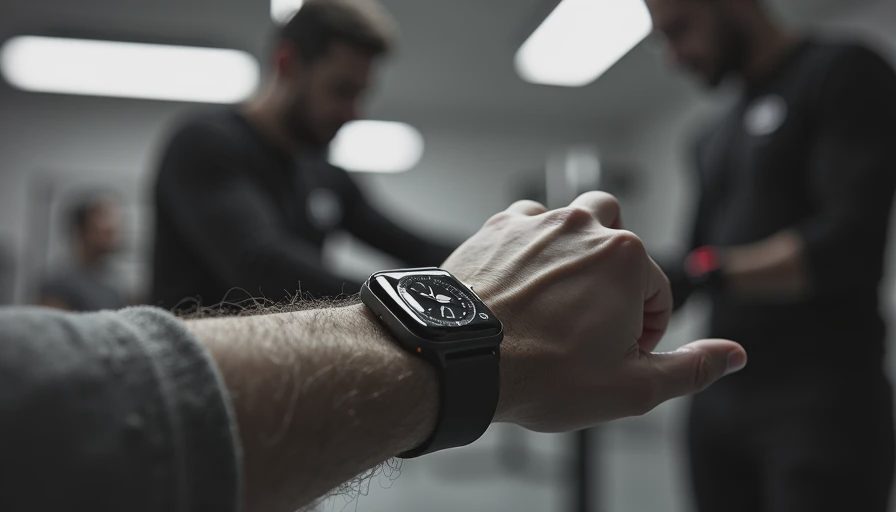
In a durability test smartwatch, the first failure is usually cosmetic, not fatal. That is why I pay attention to the places most reviews ignore: the edge of the glass near the lugs, the side button, the charging contacts, and the end of the strap where it bends every day. I wear watches while pushing a stroller, loading a bike, lifting dumbbells, and logging easy runs in the rain. That gives a better picture than a one-day drop test on a carpeted floor. If the watch is still readable after a month of bumps, the screen sits flush enough that a jacket cuff does not catch it, and the band has not stretched out, I keep it in the conversation. If it shows scars but still works, that is normal. If it has functional issues, it is not durable enough for real life.
Battery life belongs in the durability conversation
Battery life is part of durability too. A battery that degrades fast turns a good watch into a nuisance because you start charging it twice a day or babying it around 20 percent. Heat is rough on lithium batteries, so leaving a watch in a hot car or on a sunny dashboard is a bad habit. Always-on displays, LTE radios, and bright GPS workouts all cost power. Apple Watch users often accept daily charging because the software payoff is strong; Garmin and Coros buyers usually want multi-day life and a slower charge cycle. I care less about the marketing number and more about whether week three looks like week one. When a watch holds its charge pattern after a few dozen workouts and showers, that says more than any launch-week battery claim.

Rugged watches worth a look
If you want a durability test smartwatch for trail running, hiking, or rough commuting, the short list usually starts with Garmin Instinct, Garmin Fenix, Apple Watch Ultra, and Coros Vertix or Apex Pro. The Garmin lines lean hard into battery life, glove-friendly buttons, and outdoor maps. Apple Watch Ultra gives you strong build quality, a bright screen, and the best smartwatch software in the group, though you will pay more and charge more often. Coros usually wins people over with simple training tools and battery endurance rather than app polish. None of these needs to be the right pick for everyone. A runner who wants sleep tracking and texts might be happier in a slimmer model that costs $250 to $400. A person who abuses gear daily might justify the $700-plus rugged watch because it avoids a replacement later.
Buy for your routine, not the badge
The easiest way to buy well is to match the watch to the abuse it will actually take. If you only train indoors and wear the watch to sleep, don’t pay for a brick. If you work outside, travel a lot, or knock your wrist on doors and gym equipment, spend for sapphire, a raised bezel, and a band that can be replaced in two minutes. Check the warranty, not because you plan to use it, but because it tells you how the brand stands behind its hardware. I also look for charging parts that are easy to replace and software that will not feel ancient in a year. The best tough watch is the one you stop thinking about during an ordinary week. That is the whole point. Buy the one that survives your routine, then let the numbers settle down. Trust the trend, not the reading.



No letters yet — pray write the first.