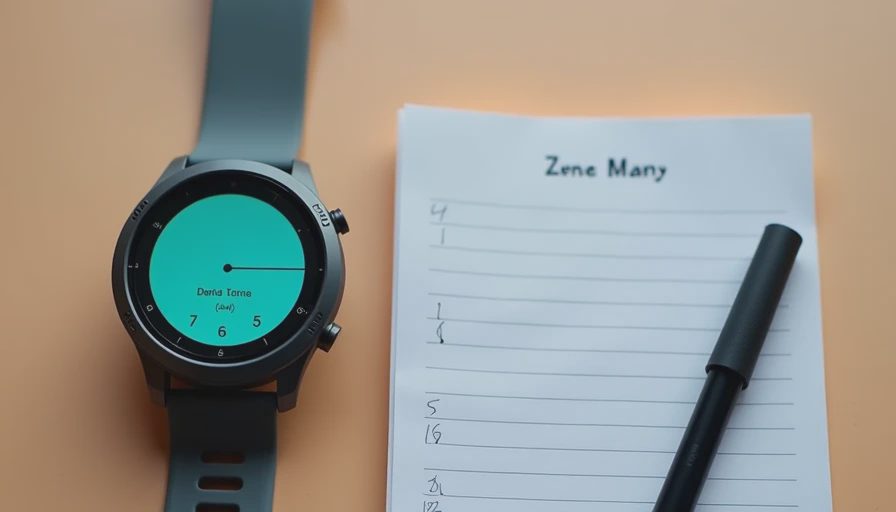
The Zone Spreadsheet Trap
I have lost count of the athletes who arrive with color-coded spreadsheets, laboratory threshold numbers, and three different formulas all giving slightly different zones. They spend more time adjusting the percentages than running in them. The irony is that the body does not care about the third decimal place. It cares about the difference between easy, steady, and hard.
After years of coaching everyday runners and watching patients in cardiac rehab learn to move safely, I settled on a deliberately low-tech approach. Set the zones once with a method that is good enough, then leave them alone unless something major changes. The goal is usable training intensity, not a perfect mathematical model of your physiology.
Why Most Formulas Are Only Starting Points
The classic 220-minus-age estimate is rough. Lab-tested lactate threshold is more precise but expensive and still only a snapshot. Percentage-of-max methods assume you know a true maximum, which most people never reach in normal training. Wearable “auto zones” often shift too frequently and create moving targets.
All of these can get you into the neighborhood. None of them deserve daily recalculation. What matters is that Zone 2 feels conversationally comfortable and Zone 4 feels controlled but hard. If the numbers on the watch produce those sensations, the system is working.
The Simple Field Method I Use

Here is the practical process I give most runners.
First, establish a realistic maximum heart rate. The cleanest way for most people is a short, hard effort you can repeat safely: a few minutes of uphill running or a controlled track interval that leaves you breathing hard but not wrecked. Note the highest number the watch records. Do this when fresh, not after a long day.
Second, set Zone 2 around 70–80 percent of that maximum as a starting band. Then test it on an easy run. You should be able to speak full sentences without gasping. If you cannot, the ceiling is too high—lower it a few beats. If you could almost sing, raise it slightly.
Third, set Zone 4 as the hard-but-controlled range, roughly 90–95 percent of maximum. It should feel like work you can sustain for a few minutes at a time, not an all-out sprint.
Everything else fills in around those two anchors. Zone 1 is genuinely easy recovery. Zone 3 is the moderate middle that many people spend too much time in. Zone 5 is short and sharp.
I write the numbers down once, load them into the watch, and then mostly ignore the exact boundaries during the run. The feeling is the final referee.
A Real Example From Coaching
One runner I worked with—mid-forties, busy parent, training for a half marathon—arrived with zones derived from an online calculator that put his Zone 2 ceiling nearly twenty beats higher than he could actually hold while talking. Every “easy” run turned into a grind. We dropped the Zone 2 top by fifteen beats based on a simple talk test, kept the same maximum, and suddenly the easy days felt easy. His resting heart rate trended down over the next three weeks, and the harder sessions improved because he was no longer carrying residual fatigue.
The math did not change dramatically. The practical application did.
Common Ways People Overcomplicate It
Updating zones every time the watch suggests a new threshold.
Chasing exact percentage precision instead of checking how the effort feels.
Using indoor bike maximums for outdoor running zones or vice versa.
Letting a single hot day or poor sleep rewrite the entire system.
All of these turn a useful tool into a source of constant doubt. Set the zones, run with them for four to six weeks, and only revisit if fitness has clearly jumped or the effort no longer matches the numbers.
How Wearables Fit Into the Process
A good watch makes the field test easier and keeps the zones visible during the run. It does not replace the talk test or the need to notice how the legs and breathing actually feel. Optical sensors are accurate enough for this purpose on steady efforts; they are less perfect during short hard intervals, which is why the initial maximum effort is worth doing with attention rather than full reliance on the wrist.
I still wear the Casio on the other wrist during these sessions. It does not show zones. It simply reminds me that the point of the numbers is to serve the training, not the other way around.
The Only Rule That Matters
Heart-rate zones exist to keep easy days easy and hard days purposeful. Once they do that job, further tinkering usually creates more noise than progress. Set them with a sensible field method, confirm them with how you feel, then put the spreadsheet away and go run.
Trust the trend of your training over weeks, not the precise boundary of any single zone on a given Tuesday. The body adapts to consistent work far more than it adapts to perfect arithmetic.
That is the whole method. Simple on purpose.


No letters yet — pray write the first.