In a long term smartwatch review, I care less about launch-day sparkle and more about what the watch does after the third week. That is when the novelty fades, the battery routine becomes real, and the numbers start telling you whether the device is useful or just entertaining. I have worn enough watches to know that a bright screen, a fancy compass, and a dozen workout modes do not matter if the thing gets uncomfortable, dies at the wrong time, or fills your head with junk data. I wear a $20 Casio on my other wrist for a reason: it keeps me honest about what the smartwatch is actually adding.
What I want from a watch is simple. It should make training easier to follow, sleep easier to understand, and daily life easier to manage. If it can do that for a month or longer, then the hardware is earning its keep. If it only looks good in an unboxing video, it is not worth much to a busy runner, parent, or desk worker who just wants fewer guesswork decisions.
The first 10 days fool almost everyone
The first week of wear is usually a honeymoon. You notice every vibration, every notification, and every graph. You also forgive a lot. A stiff band feels fine because the device is new. A clunky app feels acceptable because you are still exploring it. Battery life seems decent because you are using it half as much as you will later. That is why I wait before judging a watch. A true review needs enough time for your normal life to show up: commute, workouts, meetings, sleep, travel, and the day you forget to charge it.
This is also when you find out whether the interface is built for real use. Can you start a run in two taps? Can you see your heart rate without squinting? Does the app make sense after the first six screens are out of the way? Garmin, Apple, Samsung, Fitbit, and Amazfit all take different approaches, but the same rule applies: if basic tasks feel annoying in week one, they usually feel worse in week four.
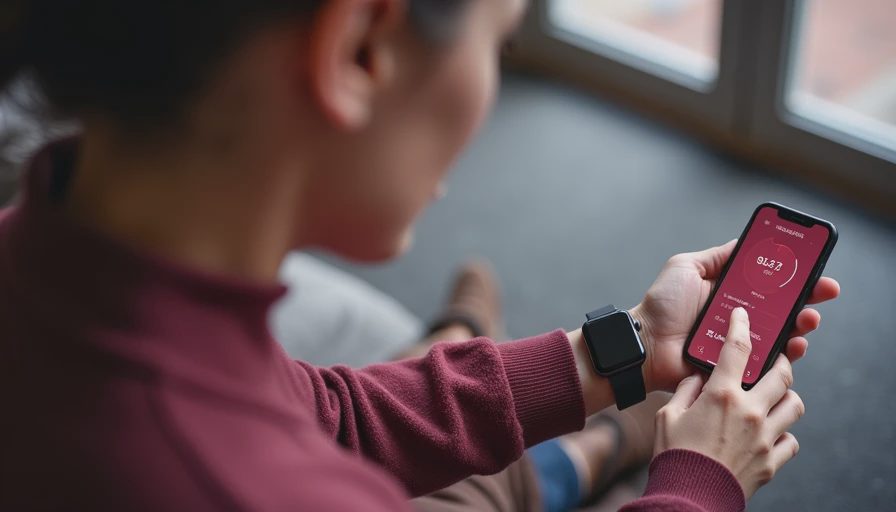
Long term smartwatch review: sleep, HRV, and recovery
A long term smartwatch review should separate useful recovery trends from the noise. Sleep stage labels are the least important part. They are estimates, not a lab test, so I do not get attached to the exact split between deep sleep and REM. What matters more is whether the watch captures a believable bedtime, wake time, and overall sleep duration. If a device consistently sees when you fell asleep and when you woke up, it is doing something useful.
Heart rate and resting heart rate are usually more dependable than people think, especially for steady-state work and daily trend tracking. HRV is trickier, but it can still be useful if you treat it as a trend, not a verdict. If your resting heart rate climbs several beats for a few days and HRV drops at the same time, that is worth noticing. It does not always mean you are getting sick. Sometimes it means hard training, bad sleep, alcohol, heat, or a stressful week. The point is pattern recognition, not panic.
That is why I keep coming back to the same rule: trust the trend, not the reading. A single strange night does not matter much. A watch that shows a consistent dip in sleep quality after late workouts or an obvious rise in resting heart rate during a heavy training block is far more valuable than one that gives you a dramatic score every morning.
Battery life and comfort decide whether it stays on your wrist
A watch can have great sensors and still fail the real test if charging is a chore. For most people, battery life is the make-or-break feature that never gets enough attention in a product page. Apple Watch models still tend to ask for near-daily charging. Many Garmin watches last several days, sometimes far longer if you are not hammering GPS every afternoon. Fitbit and some Amazfit models can also stretch a charge nicely, depending on the screen and settings. If you travel or sleep track, that difference is huge.
Comfort matters just as much. A watch that is a little too heavy, too thick, or too warm can become the reason you stop wearing it. Once it stays in a drawer, its accuracy does not matter. This is also where band design shows up. A soft silicone band can be fine for workouts but sweaty at night. A nylon band often feels better for 24-hour wear. Small things like that decide whether a device becomes part of your routine or just another gadget you are managing.
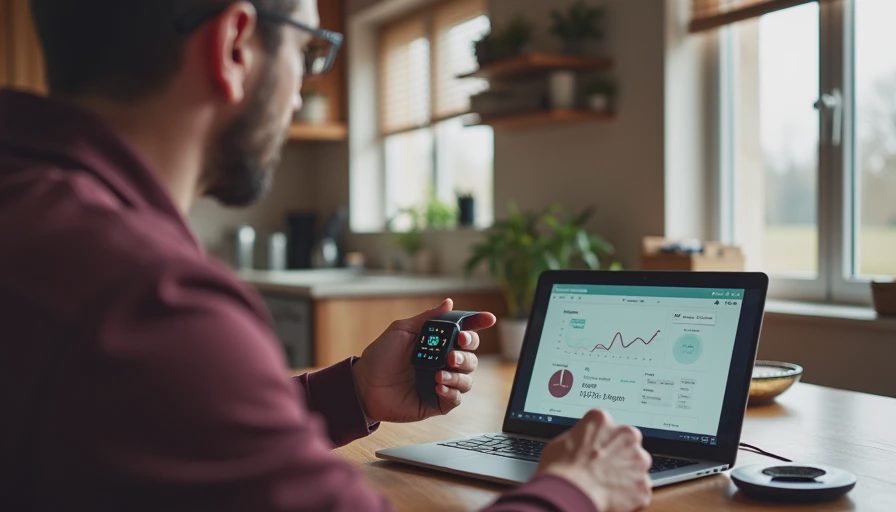
What I would actually buy at each price tier
If I were helping a friend spend money wisely, I would start with use case, not prestige. Under about $200, the sweet spot is usually a simpler watch that does the basics well: reliable GPS, decent sleep tracking, solid battery, and an app you can live with. Think Garmin Forerunner 55, Fitbit Charge 6, or an Amazfit model that fits your wrist and your phone.
Around $250 to $400, you start seeing watches that feel more complete. Garmin Venu 3, Apple Watch SE, and Samsung Galaxy Watch models all make sense for different people. The right choice here depends on your phone, your charging tolerance, and whether you want fitness-first tools or a fuller smartwatch experience.
Above that range, you are paying for premium materials, richer screens, better maps, and niche features like dual-band GPS or advanced training tools. That can be worth it for a serious runner or someone who lives in the ecosystem, but it is not automatically better for a casual user. Plenty of people would be happier spending less and getting a watch they wear every day.
Who should skip the flagship
A flagship watch is easy to justify when you read spec sheets and hard to justify when you live with it. If you mainly want step counts, sleep trends, notifications, and the occasional workout, you probably do not need the most expensive model. You need something comfortable, readable, and dependable. The extra money only makes sense when you will actually use the extra tools.
That is especially true for people who are buying their first wearable. Start with the simplest device that gives you trustworthy heart rate, enough battery to fit your schedule, and an app you will open more than twice a week. If the watch helps you walk more, train smarter, and sleep with a little less guessing, it has done its job. If it turns into a tiny screen you resent charging, move on.
That is the whole point of a long term smartwatch review: does the watch still earn wrist time when the novelty is gone? If the answer is yes, you found a useful tool. If not, trust the trend, not the reading, and spend your money on the model that better fits your real life.



No letters yet — pray write the first.